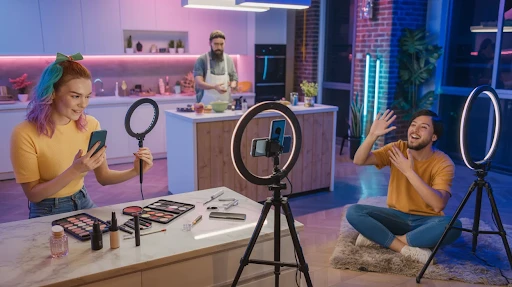
What is short form content? It is content made to be consumed quickly without making the audience work too hard for the point.
That is really the core of it. It can be a quick clip, a sharp post, a short email, a graphic, or a fast tip that gives someone something useful in seconds instead of dragging them through drawn-out articles and videos just to reach one decent idea. That is why it keeps winning attention. It fits the way people actually move through the internet now.
Most people are not sitting down with a coffee and an hour to spare every time a brand posts something. They are checking their phones between things. At work. In line. Half-distracted. Short content fits those moments better than heavy content usually does.
What Is Short Form Content in Practice?
The simplest answer is that short-form content is any piece of content designed to say something quickly.
Usually that means videos under three minutes, but it is not only videos. It can also be a short text post, a mini carousel, a quick infographic, or a compact email that makes one clear point and then stops. That is an important part of it. It stops. It does not keep circling the same point because it is trying to look more substantial than it really is.
A lot of people think of 15-second TikTok videos to 280-character tweets when they hear the phrase, and that is fair. Those are obvious examples. But short content can show up in a lot of places. A LinkedIn video post can be short-form. A quick founder tip can be short form. A teaser for a launch can be short form too.
The real pattern is speed, clarity, and low effort for the viewer.
Why It Feels So Natural Right Now
Because it matches modern behavior a little too well.
People scroll fast. They decide fast. They leave fast. That is not a complaint. It is just the environment. If a piece of content takes too long to warm up, a lot of people are gone before the useful part arrives.
That is one reason short content performs well. It respects impatience instead of fighting it.
It also helps that phones have changed the whole rhythm of content. A desktop article and a mobile scroll are not the same experience. Vertical video formats feel natural because they fit how people already hold the screen. No turning the phone. No setup. Just watch and move on, or keep going.
That sounds obvious, but a lot of content still gets made as if the audience is calmly sitting down to consume it. Most of the time, they are not.
Short Does Not Mean Weak
This is where people get snobby about it.
There is this idea that short content is automatically shallow and long content is automatically smarter. That is not true. Some long content says very little. Some short content says exactly what it needs to say and gets out of the way.
That is why short form formats can be so effective. They force the creator to know what the point is. If the message is muddy, the content usually falls apart quickly because there is nowhere to hide.
A strong short piece can still teach something, sell something, or shift someone’s opinion. It just does it with less padding.
That is also why a 15-second video on TikTok can work so well. If the hook is strong and the point is clear, it does not need an extra minute of throat-clearing.
It Works for More Than Just Consumer Brands
People sometimes talk about short content as if it only belongs to fashion brands, creators, or snack companies.
Not really.
B2B brands use it. Software brands use it. Healthcare brands use it. Finance brands use it. Schools use it. Agencies use it. The form keeps showing up because it is useful, not because it is trendy.
A SaaS explainer video company might turn a larger product message into several smaller clips instead of forcing one big explainer to do all the work.
A 2D explainer video company might break down one broad idea into several short teaching moments.
A 3D explainer video company may use shorter clips to show off motion, product detail, or interface movement before asking anyone to sit through something longer.
That is usually the smarter move anyway. Short pieces are easier to test. Easier to repeat. Easier to reuse.
Why Brands Keep Making So Much of It
Because it stretches.
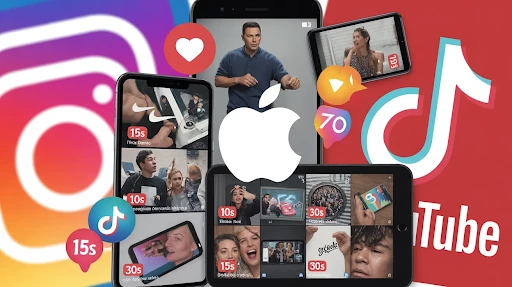
One short clip can live in more than one place. It can go on social, show up in email, sit on a landing page, support a paid campaign, or work as an opener for something deeper. That is part of its appeal. It is not only short. It is flexible.
This is where a good explainer video company usually thinks beyond one hero asset. Not every message needs a big, polished film. Sometimes the better move is a group of smaller pieces, each one doing one job properly.
A short-form video created for Instagram might build awareness. A short landing-page clip might clear up confusion. A quick follow-up video in an email might help push someone toward action. Same brand. Different jobs.
That is why the format keeps sticking around. It earns its place.
Short Content Still Needs a Brain
This is where brands get lazy.
Because short content looks easy, people start treating it like filler. Post something quick. Chop something down. Throw a trend on it. Done. That is usually how bad short content happens.
The better version still has structure. It still knows who it is for. It still knows what one point it is trying to land. It still has to earn attention.
That is why a smart video marketing agency does not just tell clients to “make more short clips.” It thinks about what those clips are supposed to do. Are they answering a question? Starting a relationship? Moving traffic? Supporting a launch? Without that, the content may get views and still do very little.
Short is not a strategy by itself.
Do You Still Need Long Content?
Yes, obviously.
Short content is great for grabbing attention, creating momentum, and giving people a fast reason to care. It is not always the best format for detail. Sometimes the audience does want depth. Sometimes they need an explanation. Sometimes they are ready for a full-length video, a long article, a webinar, or a more serious walkthrough.
That is why this is not really a short-versus-long argument. Good brands usually use both.
They use short videos and social media posts to open the door. Then they use longer pieces when the audience is ready for more. The same goes for short form videos and infographics. They are great entry points, but they do not have to carry the whole educational burden on their own.
That balance matters.
Frequently Asked Questions
[dynamic_faq]
Final Words
So, what is short form content? It is content built for speed, clarity, and real-life attention spans. It works because people do not always want a big explanation before they get the point. They want something useful, quick, and easy to absorb.
That does not make short content shallow. It makes it suited to the way people actually consume media now. When brands use it well, it can do a lot with very little time.
Related Articles: