Blog

  • History of Animation: Before Studios, Before Software, Before It All Felt Normal

    History of Animation: Before Studios, Before Software, Before It All Felt Normal

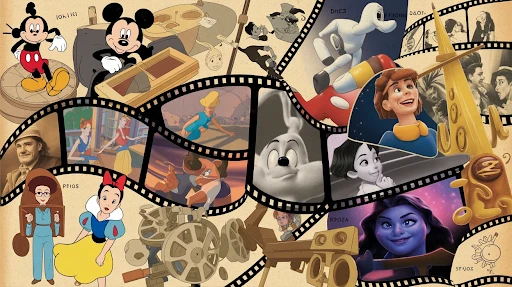
    The history of animation did not begin with famous mascots, giant studios, or glossy digital movies. It started in a much stranger place. People were trying to make still images move. That was the puzzle. Not branding. Not box office. Just motion. 

    If one drawing followed another, and another, and another, could the eye be fooled into seeing life where there was none? That question dragged the medium forward for years. So when people talk about animation as if it arrived fully formed, they skip the messy part. And the messy part is half the story.

    A lot of early animation history feels less like an industry and more like a string of visual experiments that somehow kept getting better.

    It Started With Tricks Before It Became Storytelling

    Before animation became what we think of now, it was mostly illusion.

    People built devices to fake movement long before modern film was doing much of anything useful. The magic lantern, the zoetrope, the phenakistiscope, the praxinoscope. None of these looked like the finished thing, but that is not the point. 

    What mattered was what they proved. You could take separate images, show them in sequence, and get the eye to believe something was moving.

    That was the real beginning of early animation.

    At that stage, nobody was trying to build layered emotional stories. It was not that polished yet. The goal was much simpler than that. Make a figure shift. Make an object bounce. Make a face change. Make an audience react. That alone was enough to keep people experimenting.

    And honestly, that is usually how new mediums start. First, as a novelty. Then, as a craft. Then, much later, as something bigger.

    So Who Created Animation?

    This is where people usually want one clean answer and get disappointed.

    If you ask who created animation, the truth is that no one person gets the whole credit. Too many people were involved too early, and each of them moved the medium forward in a different way. Animation did not appear on one specific day when somebody unlocked the full formula. It grew in pieces.

    Still, one name keeps coming back, and fairly so: Émile Cohl.

    His 1908 film Fantasmagorie is one of the names that always shows up when people talk about where modern animation really began to take form. Watch it now, and it still feels loose, odd, and unexpectedly alive. That matters. It does not move like a machine. It moves like somebody was thinking through the page.

    That is why Cohl still gets mentioned among the pioneers of animation. Not because he did everything first, but because he pushed the form somewhere meaningful.

    Why Fantasmagorie Still Gets Talked About

    Some old work survives only because it came first. This one survives because it still feels imaginative.

    It had a unique animation style that kept slipping from one image to the next, almost like the drawing was dreaming out loud. One shape became another. One moment melted into the next. It was not polished in the later studio sense, but that looseness is part of what made it memorable.

    The process behind it mattered too. The next drawings in the animation were traced from the ones before them, which helped create continuity between frames. That sounds small when you say it quickly, but it was not small. That kind of repetition and adjustment is where animation started becoming a real process rather than a visual stunt.

    That is why this part of the history of animation matters. You can see the medium learning how to flow instead of just flickering.

    Then Came Winsor McCay, and Things Got More Alive

    If Cohl showed what drawn movement could become, Winsor McCay helped show what an animated character could feel like.

    That is why Gertie the Dinosaur still matters.

    Gertie did not just move because movement was possible. She reacted. She hesitated. She seemed to have a mood. That is a big jump. Once animation starts feeling like performance instead of demonstration, the whole medium changes.

    McCay also helped combine animation and live action in ways that feel surprisingly bold when you look back at the time he was working in. That instinct never really went away. Animation kept brushing up against filmed performance over the decades, then later mixed with effects, digital compositing, and all kinds of hybrid formats.

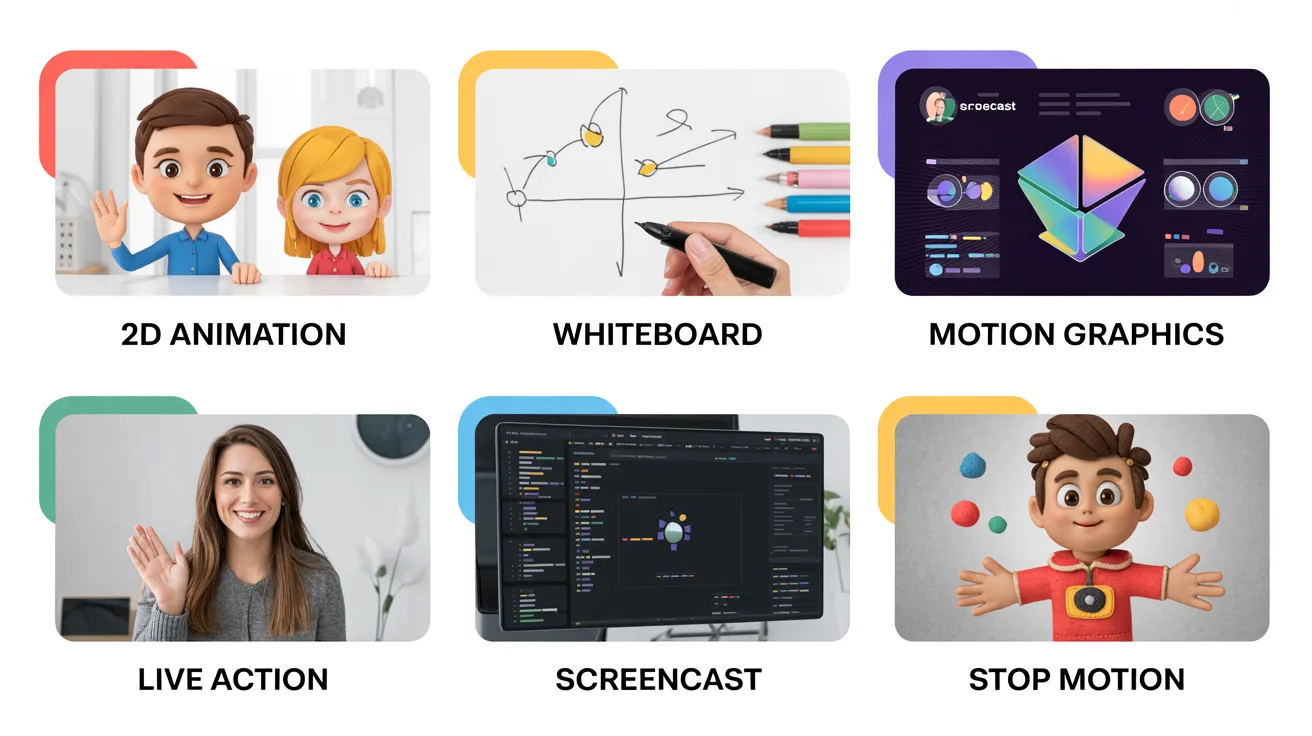
    You can still feel the echo of that now. A modern explainer video production company might be working with completely different tools, but the instinct is familiar. Use whatever visual method helps the message land.

    Animation Was Handmade in the Hardest Possible Way

    This is the part modern audiences usually underestimate.

    A lot of the older work was punishingly manual. One frame, then the next, then the next. It is easy to say that now as a sentence. It is harder to sit with what it means as labor. Hours and hours of drawing for seconds of motion. Tiny adjustments. Repetition. Planning. Corrections. More planning.

    That is one reason people still talk about the artistry of traditional animation with a kind of respect that sounds almost protective. It was not only beautiful. It was demanding in a way that digital work rarely is now.

    And because it was so demanding, the work could not stay purely individual forever. Scale was going to force structure.

    The Animation Industry Had to Become a System
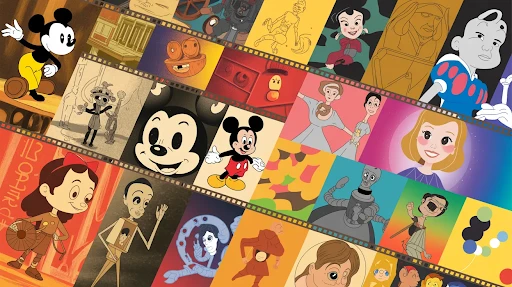
    The system of animation in Hollywood

    Once studios wanted bigger projects, the medium had to stop behaving like a solo endurance test.

    That is where the animation industry starts looking more like an industry and less like a cluster of brilliant overworked artists trying to survive frame by frame. Work had to be divided. Roles had to become clearer. People focused on layout, inking, timing, painting, camera work, and different stages of movement, rather than one person carrying everything.

    That shift changed what was possible.

    It also laid the groundwork for the longer production pipelines across the animation industry that later grew into digital systems. The software would come much later. The need for process showed up much earlier.

    That is one of the quiet truths in the story. Art got bigger by becoming more organized.

    Disney Changed the Scale of the Whole Thing

    It is hard to stay away from Disney in a blog about the history of animation, because this is the point where the medium stopped feeling small.

    Before that, animation had already proved it could be clever, entertaining, and visually inventive. Disney helped push it into something larger and more emotionally ambitious. Snow White and the Seven Dwarfs mattered not just because it existed, but because it made feature-length animation feel commercially and creatively serious.

    That changed expectations for everybody.

    This was a huge era of animation because the medium was no longer being judged only as a novelty or a short-form attraction. Audiences now expect character, atmosphere, emotion, and visual depth at a much bigger scale.

    And from there, the pressure only increased. Animation had to do more than move. It had to hold.

    Then CGI Opened Another Road

    The shift into CGI to animation workflows changed the visual language in a very obvious way. Space looked different. Camera movement felt different. Lighting, texture, and depth all started behaving in ways that hand-drawn work handled very differently.

    That mattered. A lot.

    But it is worth saying clearly that CGI did not make the earlier path irrelevant. It opened another one. That is really the better way to read it. Animation gained a new road instead of abandoning the map.

    You can still see the impact everywhere now. A 3D explainer video company depends on the possibilities that came out of that shift, especially when dealing with dimensional products, technical motion, spatial views, or rendered environments. But even there, the work still relies on clear movement and readable storytelling.

    New tools. Same pressure to make the viewer follow the idea.

    Why This Still Matters Now

    This is not only history-for-the-sake-of-history.

    It explains why animation is so flexible now. It also explains why it keeps turning up in places that have nothing to do with old theatrical shorts. Product demos. education. onboarding. brand storytelling. software walkthroughs. Digital marketing campaign videos. It all makes more sense when you realize the medium never stayed still for long.

    And that is probably the most useful thing the history of animation tells us. The form stayed alive because it kept changing without losing the basics underneath.

    Even a SaaS explainer video company working on a modern product today is still using the same broad promise that pulled the medium forward in the first place. Make motion carry meaning. Make the viewer understand faster. Make the still image stop feeling still.

    CGI Changed More Than the Look

    A lot of people reduce this era to visual realism. That is only part of it.

    The move into CGI to animation workflows also changed how teams worked. Different departments grew in importance. New technical roles appeared. Rendering became a major part of production. 

    Camera movement and lighting behaved differently. Characters were no longer drawn frame by frame in the old sense. They were built, rigged, posed, and animated inside a different system.

    That changed the pacing of production.

    It also changed the structure of collaboration. Bigger digital films depended on larger and more specialized pipelines. That is where the old studio logic evolved into even more complex production pipelines across the animation industry. The work still needed artists, obviously. It just needed them in a different arrangement.

    And the funny thing is, even with all that change, the basic pressure stayed the same. The audience still had to believe the movement. The image still had to hold attention. The story still had to carry the weight.

    Modern 2D Came Back With a Different Confidence
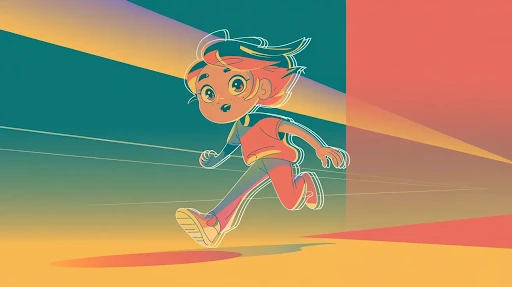
    An example of modern 2D animation

    For a while, it felt like computer-generated 3D was the future and everything else would slowly become niche.

    That never fully happened.

    Modern 2D came back hard, but not in a nostalgic way. It came back sharper, bolder, and more self-aware. Some of it kept the spirit of hand-drawn work. Some of it used digital tools to imitate older energy while moving much faster in production. Some of it mixed flatter illustration with richer depth cues and more stylized motion.

    That return matters because it reminded the animation industry of something important. Audiences do not only respond to realism. They respond to style. They respond to intention. They respond to images that feel like somebody made a choice.

    That is one reason a modern 2D explainer video company can still do such strong work in a market full of digital options. Flat does not mean outdated. If the design is smart and the motion is right, 2D can still feel more distinctive than a lot of polished 3D.

    Hybrid Workflows Became More Interesting Than the Old Arguments

    For years, people liked turning animation into a debate.

    2D or 3D. Hand-drawn or digital. Traditional or modern. That kind of thing.

    Real projects do not always care about those categories as much as people talking about them do.

    A lot of current work lives in the overlap. Some films use digital tools to mimic the looseness of drawn work. Some commercials blend flat design with dimensional lighting. Some projects bring live action into the frame. Some move between graphic systems on purpose. That is where the more interesting stuff often happens now.

    This is why mixed media animation examples have become such a useful point of reference. They show that modern animation does not have to obey one visual rule from start to finish. It can shift. It can borrow. It can mix techniques without feeling confused, as long as the choices make sense together.

    That flexibility is part of the reason animation stays so adaptable across industries.

    Frequently Asked Questions

    There is no single person who created the entire medium. A lot of people contributed to it over time. Émile Cohl is often mentioned because of Fantasmagorie, but the story is bigger than one name.
    Early animation usually refers to the first motion experiments, optical devices, and hand-drawn films that appeared before the medium became a large studio-driven industry.
    Disney helped prove animation could carry full-length stories at a much larger scale. That changed how audiences and studios saw the medium.
    Not really. It changed the tools and the workflow, but the core ideas behind movement, timing, and storytelling still matter across both forms.
    Because modern animation, branding, product videos, and digital storytelling all build on the techniques, decisions, and visual thinking that came before.

    Final Words

    The history of animation is really a story about restlessness. The medium never sat still for long. It moved from optical tricks to drawn films, from hand-made labor to studio systems, from paper workflows to digital production, from theatrical storytelling to branded and everyday communication. Every phase added something. 

    Nothing arrived fully finished. That is what makes history so interesting. Animation kept changing because people kept finding new ways to make motion mean more. And that is still true now.

    Related Articles:
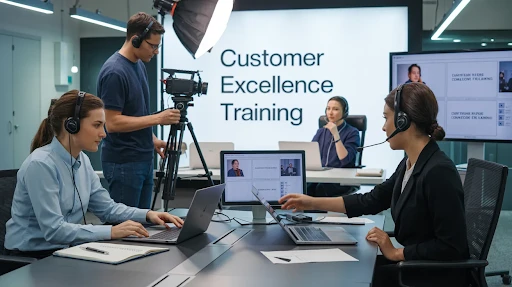
  • 10 Customer Service Training Videos Worth Learning From

    10 Customer Service Training Videos Worth Learning From

    Customer service training videos can do something most handbooks, slide decks, and policy documents struggle to do. They show people what good service actually looks like. That matters because service is not only about rules. 

    It is about tone, judgment, timing, patience, and how someone handles pressure in a real moment. If your team only gets theory, they usually have to guess the rest. Video fills that gap.

    That is why the importance of customer service training videos goes beyond simple onboarding. A strong training video can make expectations clearer, help people remember the lesson, and give your team something more concrete than a list of instructions.

    The best examples usually do one of three things well. They make the lesson easy to follow, they make it memorable, or they make people actually want to pay attention.

    Why Video Works Better for Service Training Than Most Teams Expect

    Customer service is not just a script. It is behavior.

    That is why video works so well here. A good training clip lets people see the difference between saying the right words and handling a situation the right way. It can show body language, pace, tone shifts, mistakes, recovery, and the little choices that shape how a customer feels.

    This matters because a customer service team deals with real people, not perfect situations. They run into frustration, confusion, silence, hesitation, repeated questions, and messy conversations that do not fit neatly into a support manual. Video is useful because it can bring those moments to life without making the lesson feel heavy.

    A strong explainer video company would usually understand this straight away. The goal is not just to package information nicely. It is to make the lesson stick.

    What Makes a Service Training Video Actually Useful

    A lot of training content is technically correct and still forgettable.

    The better videos tend to share a few strengths:

    • They focus on real workplace tension
    • They keep the lesson narrow enough to follow
    • They avoid overexplaining
    • They show a clear takeaway
    • They feel watchable instead of like a chore

    That is especially important when the training covers common customer interactions. If the situation feels fake, the team can tell. If it feels too polished or too generic, the lesson tends to slide right by. But when the setup feels familiar, people start paying closer attention because they can see themselves in it.

    That is one reason the best customer service training videos often lean on story, contrast, or humor. They know people remember examples more easily than instructions.

    10. Customer Experience Matters by Temkin Group

    This is a good example of how a simple idea can still land well.

    The video does not need huge production tricks to work. What helps is the clarity. The lesson is tight, the pacing is clean, and the visuals help the point feel more immediate. That is often enough. A lot of training videos fail because they try to cover too much. This one keeps the focus where it belongs.

    It also shows that customer care videos do not need to be overloaded to be effective. If the message is clear and the visuals support it properly, even a relatively simple setup can hold attention longer than a more expensive but less focused piece.

    9. TEDx and the Power of a Service Story

    TED-style talks can be useful in training because they often bring a real story into the lesson instead of only delivering advice.

    That matters. People remember stories better than bullet points.

    In this example, the value comes from the specificity of the moment. The service experience is described in a way that makes the takeaway easier to picture. It does not feel like abstract advice. It feels like something that happened, which makes it easier for a team to pull useful behavior from it later.

    This is one reason an example of great customer service videos does not always have to be animated or heavily produced. Sometimes the power comes from one strong, believable story told well.

    8. Zendesk Keeps the Lesson Watchable

    Zendesk is a strong example because it understands something a lot of training content misses. People tune out when the material feels like medicine.

    That is why humor matters here.

    The point is not to make service training silly for the sake of it. The point is to keep attention long enough for the lesson to land. Zendesk’s approach works because it makes the situations feel a little more human and less like a lecture. That makes the training easier to watch and easier to remember.

    This is also where businesses can learn something broader. Customer service skill videos do not have to sound dry to feel useful. In fact, the opposite is often true. If the delivery feels too stiff, the team tends to mentally check out before the point arrives.

    7. Ritz-Carlton Still Shows Why Standards Matter

    This kind of example works because it points to something bigger than one interaction. It shows what happens when service standards are built into the culture instead of being treated like a surface-level policy.

    That is a different level of lesson.

    A lot of service problems do not come from bad intent. They come from weak expectations, uneven coaching, or teams not knowing what “great service” actually looks like in practice. Videos like this help because they connect the day-to-day interaction to the larger standard behind it.

    That is one reason customer service training should not only teach people how to respond in one moment. It should also show them what the company expects service to feel like across many moments.

    6. WACTEO by ServiceSkills Turns the Lens Inward

    This is one of the more useful examples in the list because it changes the frame.

    A lot of service training focuses only on the end customer. That makes sense up to a point. But internal behavior affects service too. If employees treat each other badly, operate in silos, or pass problems around carelessly, that eventually shows up in the customer experience.

    That is where this example stands out. It pushes the idea that service quality is not only external. It starts inside the team.

    For businesses building internal training, that is a smart angle to keep. Some of the most useful customer service training video examples are the ones that show how culture and behavior inside the company shape what customers experience outside it.

    5. HubSpot’s Skill-Focused Format Gets Right to the Point

    This kind of example is effective because it does not wander.

    It focuses on essential support skills, keeps the lesson moving, and uses clean visuals to reinforce the point. That makes it easier for teams to absorb one skill at a time instead of getting hit with a broad “be better at service” message.

    This is also the kind of structure that works well for micro-learning. One skill. One scenario. One takeaway.

    That is often a better fit for busy support environments than long training blocks. It helps people revisit one idea quickly without needing to sit through a huge module again. For growing teams, especially those already using strong digital learning habits, this kind of focused format can be much easier to roll out.

    It is also where style choices matter. Some brands may use 2D explainer video services in this kind of training because the format keeps the message structured and easy to scale without making the lesson feel flat.

    4. Empathy vs. Sympathy Makes a Soft Skill Easier to Grasp

    Soft skills are harder to teach than process steps.

    That is why this example matters so much.

    A team can be told to “show empathy” all day long, but that instruction is still vague until someone shows the difference. That is what this video does well. It breaks down a subtle emotional distinction in a way that feels clear instead of academic.

    And that is often where service training succeeds or fails. The technical side may be easy enough to explain. The human side is where teams need better examples.

    This is also why some businesses use visual formats that feel a little more crafted for softer topics. In the right context, 3D explainer video services or other stylized approaches can help a message feel more emotionally readable, though the structure still matters more than the visual finish alone.

    3. Slack Shows That Internal Tools Affect Service Quality Too

    Not every training video has to focus on tone, empathy, or customer-facing behavior.

    Some of the most useful ones show how the team can work better behind the scenes.

    That is why Slack is a smart example to include. It reminds people that customer service is not only about what one employee says in one conversation. It is also about systems, collaboration, handoffs, and response speed. If the internal setup is clumsy, the customer feels it sooner or later.

    This is where customer service demos can be especially useful. Instead of only teaching attitude, they show how tools and workflows support the job. That kind of training is practical because it helps the team understand not just how to respond, but how to work more smoothly while doing it.

    For some businesses, especially support-heavy platforms, this is also where SaaS explainer video services can overlap with training. A software workflow video can double as a teaching asset if it is built clearly enough.

    2. “What Is Customer Experience?” Makes an Abstract Idea Easier to Hold Onto

    This kind of training is useful because “customer experience” is one of those terms everyone uses, but not everyone defines well.

    That becomes a problem fast.

    If the team keeps hearing that customer experience matters but never sees it explained clearly, the phrase starts losing meaning. A video like this helps because it gives the concept shape. It turns a broad business phrase into something people can actually connect to daily work.

    That is one reason visual training works so well with abstract service topics. It gives the team something more concrete to remember than a loose definition in a handbook.

    This is also where businesses that already use commercial advertising can learn something useful. If you are spending to bring people in but not training your team to create a better experience once they arrive, you are making growth harder than it needs to be.

    1. NHA PersonAbility Shows How Storytelling Makes Training More Memorable

    This is one of the strongest examples because it uses scenario-based storytelling to show both good and bad behavior clearly.

    That contrast matters.

    A lot of training content tells people what to do. Story-based training lets them watch what happens when people do it badly and when they do it well. That is usually more effective because it feels closer to real life. The team can picture the moment, the mistake, and the better response much more easily.

    This approach is especially strong in healthcare, support, education, and other people-first environments where the emotional side of service matters just as much as the technical side.

    It also connects well with the logic behind tech explainer videos. Different topic, same principle. People understand faster when the explanation is built around a situation they can follow instead of a pile of abstract advice.

    Frequently Asked Questions

    The best ones feel practical. They focus on real service situations, keep the lesson clear, and show behavior in a way people can actually remember and apply.
    Either can work. Humor helps when it keeps attention without weakening the lesson. A serious tone works well when the situation needs more weight. The better choice depends on the topic and the audience.
    Yes. Animation can make abstract ideas, emotional skills, and service scenarios easier to explain. It is especially useful when the team needs clarity more than realism.
    Usually shorter than companies first expect. It is often better to make several focused videos than one long piece that tries to cover everything at once.
    Start with the situations the team faces most often. If the video helps with common problems, common mistakes, and common service expectations, it becomes much easier for employees to use what they learned right away.

    Final Words

    Customer service training videos work because they show behavior, not just advice. That is what makes them more useful than a list of service rules or a static training document. The best examples on this list do not all look the same, but they all make the lesson easier to understand and easier to remember. Some use humor. 

    Some use storytelling. Some keep things very simple. What matters is that they help the team see what good service looks like in action, and that is what makes the training stick.

    Related Articles:
  • Top Mixed Media Animation Examples That Make the Style Worth Using

    Top Mixed Media Animation Examples That Make the Style Worth Using

    Mixed media animation works because it gives a video more than one visual gear. It can mix illustration, footage, collage, type, texture, interface elements, and motion design in the same piece without forcing everything into one look. 

    That matters because many brand videos still feel too controlled and too familiar. They may be clean, polished, and professionally made, but they also tend to blur together. Mixed media breaks that pattern.

    The best part is that it is not tied to one mood. It can feel premium, playful, technical, emotional, editorial, or product-led depending on how the visual ingredients are handled. That flexibility is why brands keep coming back to it.

    Rather than talk about the style in the abstract, it makes more sense to look at real examples and what they show.

    8. Emirates Shows How Mixed Media Can Still Feel Premium

    A brand like Emirates is a good place to start because the visual expectation is already high. An airline campaign cannot look careless. It has to feel polished, intentional, and expensive. That is exactly why mixed media is useful here. It can keep that premium look while adding more movement and variation than a standard glossy ad usually has.

    This kind of example shows how layered visuals, typography, compositing, and motion-led transitions can make a commercial feel more alive without making it messy. It proves that mixed media does not have to feel chaotic to stand out.

    That matters for businesses trying to choose an animation style for videos. A lot of teams wrongly assume they have to choose between “creative” and “premium.” Mixed media can give you both if the design direction is handled properly.

    7. KEAN Fruits by Yeti Makes Product Content Feel More Tactile

    Food and product brands often benefit from mixed media because texture already matters to the product itself. Fruit, packaging, freshness, color, cut surfaces, and shape all carry visual weight. Mixed media can lean into that in a way that flat design alone often cannot.

    This is why KEAN Fruits is such a useful example. It shows how a brand can combine motion, cutout-style visuals, layered design, and vibrant composition to make the product feel more vivid. It does not just present the brand. It gives the brand a stronger sensory feel.

    That is one reason some of the strongest mixed media animation examples come from consumer-facing work. The format lets the creative team build a video that feels more physical, not just more decorative.

    It also shows the power of animation in a simple way. Animation is not only there to move things around. It helps shape appetite, energy, emphasis, and rhythm.

    6. IBM Design Language Proves the Style Can Be Smart and Controlled

    A lot of people hear “mixed media” and picture something wild, arty, or very loose. IBM-style work is a good correction to that idea.

    This type of piece usually feels more structured. The motion is more deliberate. The layouts tend to be cleaner. The visual layers are there, but they are doing a clear job. That makes this kind of example especially useful for tech and B2B brands that want something visually rich without making the message harder to follow.

    It also shows that mixed media can work inside a systems-led brand world. It does not have to fight with clarity. In the right hands, it can actually make complicated information easier to process.

    That is where the power of storytelling and animation becomes more subtle but still very real. The video may not be telling a soft emotional story, but it is still guiding the viewer through an idea in a deliberate sequence. That is storytelling too.

    A strong explainer video production company would look at work like this and pay attention to how the style supports the explanation instead of overpowering it.

    5. MTV Gender Bent Uses Mixed Media to Push Emotion and Point of View

    This kind of example matters because it shows mixed media doing more than brand polish. It is being used to give the message attitude.

    That changes things.

    A campaign like this can move between textures, bold type, visual interruption, live-action elements, and layered motion in a way that gives the content more edge. It feels less corporate and more immediate, which is often exactly what the subject needs.

    This also shows how multiple styles of animation can live inside one piece without making it feel stitched together. If the direction is strong, the mix helps sharpen the message rather than distract from it.

    That is one reason mixed media often feels more alive than some of the more standard styles of animation. It can change tone quickly. It can push harder where needed. It can support a message that wants more bite than a conventional explainer format usually allows.

    4. Prego Shows the More Playful Side of Mixed Media

    Not every mixed media video needs to feel sleek or editorial. Some work because they lean into fun.

    That is what makes a Prego-style example useful. It shows how the same general approach can also support cartoon energy, food personality, and lighter storytelling. The mix of visual ingredients helps the piece feel more animated in spirit, not just in technique.

    This is where the format becomes useful for brands that want something warm, lively, or slightly exaggerated without defaulting to a standard cartoon system. Illustration, motion, texture, and timing can work together to make the video feel much more expressive.

    It also creates room for typographic animation to do more than label things. In playful mixed media work, type can become part of the joke, the movement, or the pacing of the scene.

    A 2D explainer video company might look at this kind of direction when flat animation alone feels too plain and the brand needs more visual flair.

    3. Bixby Shows How Mixed Media Can Keep a Product Video From Feeling Too Predictable

    A lot of assistant or device-led product videos run into the same problem. They end up looking too familiar.

    Clean interface. Soft gradients. Floating screens. Confident voiceover. Nothing wrong with any of that, but it can become interchangeable fast.

    That is what makes a Bixby-style example worth looking at. Mixed media gives a product video more shape. It can move between interface moments, illustration, typography, composited motion, and layered product framing without feeling trapped inside one polished system. That makes the product feel more dynamic, and it helps the audience stay with the video longer.

    It also proves something important. Mixed media is not only for expressive brands or culture-led campaigns. It works just as well for functional product communication when the brand wants the video to feel more alive than a standard feature reel.

    This is where a SaaS explainer video company may also take notes from mixed media, even when the product is not a literal assistant tool. A software product often needs the same balance: clean explanation, a modern feel, and enough variation to stop the video from becoming another smooth but forgettable walkthrough.

    2. Grommet Shows the Style Can Stay Practical While Still Feeling Creative

    Not every mixed media video needs to be abstract, editorial, or ultra-art directed. Some of the best ones stay very grounded.

    That is what makes a Grommet-style example useful. It shows how mixed media can still feel practical and product-friendly. The video can explain, demonstrate, and move the viewer through the message while still carrying more texture than a standard product piece.

    That balance matters for brands that want the work to feel creative but not overly stylized. Mixed media can do that really well. It can add visual interest without turning the message into an art exercise.

    This is also where the format works nicely alongside product-focused animation. A 3D explainer video company could borrow from this kind of direction when a product needs realism but still benefits from added graphic support, layered text, or editorial motion. That mix can stop a dimensional product video from becoming too rigid.

    And that matters because some of the best mixed media animation videos are not the loudest or most experimental. They are simply the ones who know how to blend creativity with usefulness.

    1. Coca-Cola Shows Why Mixed Media Keeps Feeling Bigger Than One Style Alone

    Coca-Cola is the right example to end on because it highlights the biggest advantage of mixed media very clearly.

    Scale.

    A brand like that does not need a video that feels small, flat, or predictable. It needs energy. It needs movement. It needs something that can hold emotion, identity, product presence, and visual style all at once. Mixed media is good at that because it is not trapped inside one system.

    A Coca-Cola-style example usually works because it layers everything with control. Live-action feel, bold graphics, animated type, composited movement, illustrative elements, perhaps a little collage logic, maybe some product-focused motion, all working together. The result feels larger than a standard single-style video because the format itself has more range.

    That is the bigger lesson across this whole list.

    Mixed media animation is not just a trick to make a video look different. It is useful because it gives the creative team more ways to shape tone, pacing, emotion, and explanation within the same piece. When those choices are made well, the video does not just feel more stylish. It feels more complete.

    How to Know If Mixed Media Is Right for Your Video

    Not every project needs it.

    That part matters too.

    If the message is simple and the brand needs something very clean, another route may make more sense. If the story needs more range, more character, or more contrast than one visual system naturally gives you, then mixed media starts to become a strong option.

    It tends to work best when:

    • The brand wants something less predictable
    • The video needs to mix explanation and personality
    • One visual approach feels too narrow
    • The product story moves between different kinds of information
    • The creative direction needs more flexibility

    That is why mixed media stays useful. It gives the video more ways to communicate without forcing the whole thing into one strict lane.

    Frequently Asked Questions

    Mixed media animation is a video style that mixes many visual techniques in a single composition. Illustration, film, collage, typography, photography, textures, and motion graphics may all be used in conjunction.
    It sticks out because it feels more unpredictable than a single-style video. The combination of visual elements provides the item’s texture, diversity, and, in many cases, personality.
    Yes, especially when the brand wants a video that stands out without compromising clarity. It is suitable for explainer films, product videos, campaign work, and brand storytelling.
    No. It is suitable for consumer brands, technology enterprises, product-driven corporations, and even technical subjects. The goal is to use the style to complement the message rather than simply beautifying it.
    It is typically the best option when one graphic style feels too limiting for the plot. If the video requires a wider variety, tone shifts, or a more recognizable visual identity, mixed media is a viable option.

    Final Words

    Mixed media animation is effective because it provides businesses with several visual communication options. It can use elements such as illustration, film, typography, collage, graphics, texture, and motion to create something unexpected and lively. These examples show that clearly. Some use the style for product explanation. 

    Some use it for brand energy. Some use it to make a technical topic easier to follow. However, the main advantage remains the same. Mixed media allows the message to travel more freely, and when done correctly, the video becomes much more difficult to ignore.

    Related Articles:
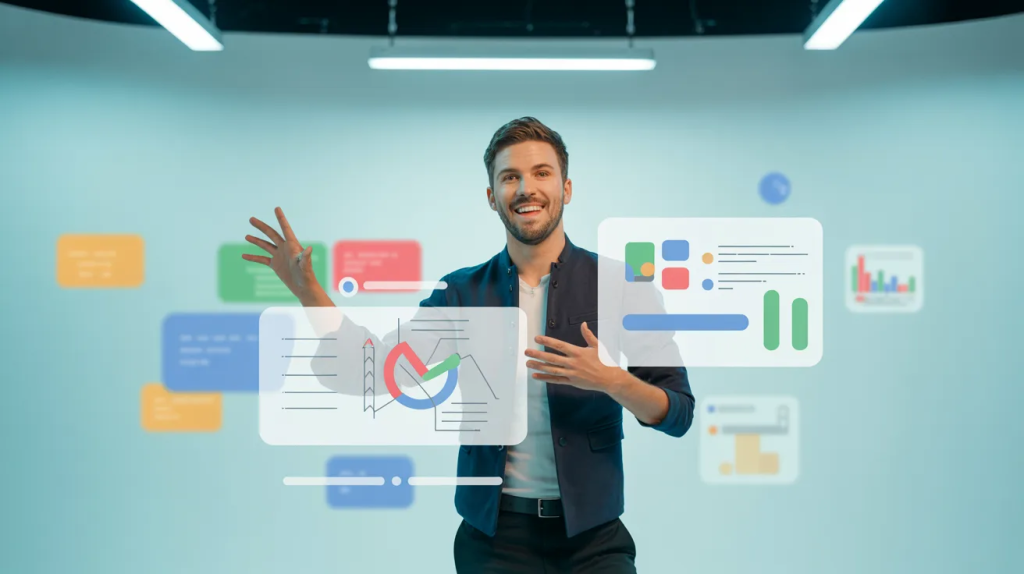
  • 7 Powerful Examples of High-Impact Digital Marketing Campaign Videos

    7 Powerful Examples of High-Impact Digital Marketing Campaign Videos

    Grabbing and holding the attention of your target audience has never been more challenging or more important. In today’s fast-paced digital world, it takes creativity, strategy, and sometimes a bit of timing to produce video campaigns that truly stand out and have the potential to go viral.

    If video advertising isn’t already a core part of your marketing strategy, now is the time to reconsider. Video continues to dominate online engagement, offering unmatched reach and influence across platforms. Its growth shows no signs of slowing down.

    On one side, modern technology has made it easier than ever to create and distribute digital marketing campaigns. Brands now have access to powerful tools, diverse content formats, and multiple platforms to reach their audiences.

    However, this accessibility also comes with a challenge competition. With so many brands producing content daily, cutting through the noise and capturing attention has become increasingly difficult.

    At Explainer Video Company, we simplify this complexity. In this article, we’ll explore outstanding examples of effective digital marketing video campaigns, break down what makes them successful, and share insights you can apply to your own strategy. We’ll also show how our expertise in explainer and marketing videos can help elevate your brand storytelling and drive real results.

    Before diving into the examples, it’s important to understand the core principles behind high-performing video ads. While there’s no strict formula for success and creativity often breaks the rules the most effective campaigns consistently master a few key fundamentals.

    The Fundamentals of Creating a Powerful Video Ad

    Creating an effective video advertisement is both an art and a strategy. At Explainer Video Company, we believe a successful video ad doesn’t just look good it connects, communicates, and converts. Below are the core fundamentals that make a video ad truly impactful.

    It Captures Attention Immediately

    In today’s fast-paced digital world, attention is the most valuable currency. Viewers decide within seconds whether they will continue watching or skip your content.

    That means your video must make an immediate impact.

    This can be achieved through bold visuals, engaging motion graphics, compelling storytelling, or even a strong audio hook. Animation is especially powerful in this stage because it quickly draws the eye and creates curiosity.

    Whether visual, auditory, or a combination of both, the opening moments of your video must instantly pull the viewer in and encourage them to stay.

    It Speaks Directly to the Right Audience

    A high-performing video ad is not about reaching everyone it’s about reaching the right people.

    Instead of trying to appeal to a broad, undefined audience, successful campaigns focus on specific groups who are most likely to connect with the message. This creates deeper engagement and stronger emotional response.

    When your message feels personal and relevant, viewers are more likely to trust your brand, share your content, and take action. Over time, these engaged viewers can even become loyal advocates for your brand, helping amplify your message organically.

    At Explainer Video Company, we craft videos that are designed to resonate with your ideal audience not just everyone.

    It Includes a Clear Call to Action

    Every great video ad has a purpose and that purpose must be clearly communicated to the audience.

    A call to action (CTA) guides viewers on what to do next. Whether the goal is to increase sales, build awareness, promote a service, or inspire change, your CTA transforms passive viewers into active participants.

    A strong video campaign often includes multiple touchpoints for action. For example, early engagement might encourage sharing, liking, or following, while the closing message may focus on signing up, purchasing, or exploring a product.

    In some cases, CTAs can also create urgency or exclusivity such as limited-time offers, early access, or bonus incentives encouraging immediate response.

    The key is to make the next step clear, simple, and compelling.

    It Builds a Real Emotional Connection

    One of the most powerful ways to engage your audience is by creating an emotional connection. And when we talk about “selling,” it’s not just about products or services it’s also about selling your idea, your message, and your value in a way that truly resonates.

    Today’s audience is highly aware and often skeptical of marketing. People are constantly exposed to ads and promotional content everywhere on YouTube, on social media, on billboards, in stores, and even while casually browsing online. This nonstop exposure can easily lead to fatigue and disinterest.

    That’s why authenticity matters more than ever. Instead of sounding like another brand trying to push a sale, your communication should feel genuine, human, and relatable. The goal is not to interrupt people it’s to connect with them.

    Emotional storytelling is one of the most effective ways to achieve this connection. And emotion doesn’t always mean going for deep or heavy feelings. It can take many forms. You can make your audience laugh, spark curiosity, highlight a real-world problem, or bring attention to something meaningful. You can even combine different emotions depending on your message and audience.

    The key is to hold attention in those critical first few seconds and make people feel something real. When your audience feels emotionally engaged, they are far more likely to stay, watch, and connect with your message instead of scrolling away.

    Say What Matters Clearly and Effectively

    In any successful video marketing campaign, clarity is everything. Your message should be easy to understand, purposeful, and delivered without unnecessary complexity. In a world where audiences are constantly bombarded with content, every second of attention matters.

    A strong video ad respects the viewer’s time. It communicates the core idea quickly while still being engaging and memorable. This doesn’t always mean your video has to be extremely short. While many effective ads are 15–30 seconds long, some of the most impactful campaigns in history have been longer because they needed that time to tell a meaningful story.

    The key is not the length it’s the intention behind every second. If your message requires depth, give it space. If it can be communicated simply, don’t overcomplicate it. What truly matters is that your audience understands exactly what you’re offering and why it matters to them.

    There are no rigid rules when it comes to timing, but there is one principle you should always follow: be deliberate. Every frame, every word, and every transition should serve a purpose. If it doesn’t add value, it likely doesn’t belong.

    At Explainer Video Company, we believe that powerful video content starts with a clear message. Before thinking about visuals, effects, or length, the focus should always be on one question: What are we trying to say, and how can we say it in the most impactful way possible?

    Once that foundation is clear, everything else falls into place storytelling, design, pacing, and delivery all work together to support a message that resonates.

    Powerful Digital Marketing Campaigns: Dove Men+Care & Nike

    At Explainer Video Company, we closely study successful digital marketing campaigns to understand what makes them truly impactful. Two strong examples that stand out are Dove Men+Care and Nike both of which excel at combining emotional storytelling, audience targeting, and cultural relevance.

    Dove Men+Care (2020) – Emotional Storytelling That Connects

    Dove

    The Dove Men+Care campaign is a strong example of how emotional marketing can build deep audience engagement.

    From the very beginning, the campaign clearly identifies its core audience: fathers. Instead of simply promoting a product, it focuses on appreciation and recognition highlighting the often-overlooked emotional and physical efforts dads put into family life.

    What makes this campaign powerful is its emotional positioning. It sends a clear message that fatherhood, care, and responsibility are valued and respected. This creates an instant emotional connection with viewers, especially fathers who see their daily efforts reflected on screen.

    The campaign also aligns itself with a broader cultural conversation around modern parenting and the evolving role of fathers in society. Rather than feeling like an advertisement, it feels like a contribution to a meaningful dialogue.

    Finally, Dove effectively closes the message with a subtle but clear call to action, encouraging viewers to learn more by visiting their website. This balance of emotion, relevance, and direction is what makes the campaign so effective.

    Nike – Culture-Driven Marketing at Its Best

    Nike

    Nike is one of the most influential global brands, known not just for its products but for its powerful storytelling across platforms like television, outdoor media, and especially social media.

    On platforms like Instagram, Nike has mastered the art of attention. Its strategy blends bold visuals, influencer marketing, and cultural relevance to create content that feels both aspirational and authentic.

    A key strength of Nike’s marketing approach is its collaboration with high-profile athletes and cultural figures. Whether it’s Travis Scott showcasing exclusive sneakers or rising stars like Zion Williamson and Kia Nurse being signed as brand ambassadors, Nike consistently positions itself at the center of sports and pop culture.

    Even subtle appearances such as celebrities wearing Nike products without formal promotion often generate massive buzz and drive demand in resale markets. This demonstrates the brand’s unmatched cultural influence.

    Nike’s Instagram content is particularly effective because it grabs attention instantly through strong colors, dynamic visuals, and short-form storytelling. In fast-scrolling environments like Instagram Stories, this immediate visual impact is essential.

    Beyond visuals, Nike also builds emotional depth by engaging with social issues and standing behind causes it supports. This combination of action and messaging strengthens brand trust and positions Nike as more than just a sportswear company it becomes a cultural voice.

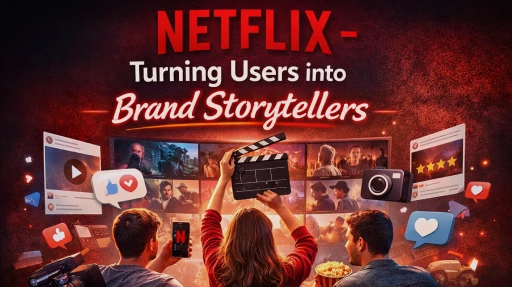
    Netflix – Turning Users into Brand Storytellers

    Netflix

    Netflix has always been ahead of the curve when it comes to digital marketing, especially in how it uses user engagement to drive organic promotion. Like many subscription-based platforms, Netflix heavily promotes its free trials through multiple channels such as pre-roll ads, social media campaigns, and display advertising.

    However, in 2019, Netflix took a more interactive and social approach by integrating with Instagram Stories. This feature allowed users to instantly share what they were watching directly on their Stories, along with a direct link to the title.

    What made this strategy so effective was its simplicity and psychology. Instead of pushing ads directly, Netflix empowered its audience to become brand advocates. Every share became a personal recommendation, which is far more powerful than traditional advertising.

    Most of the content shared was exclusive to Netflix, which further strengthened curiosity and urgency among viewers. When combined with teaser trailers, short “sizzle reels,” and visually compelling previews, Netflix created a seamless funnel from social curiosity to platform engagement.

    This is a perfect example of how modern brands can use social proof and user-generated content to create exponential reach without relying solely on paid advertising.

    LEGO – Storytelling Through Imagination and Emotion

    LEGO – Storytelling Through Imagination and Emotion

    LEGO’s advertising brilliance lies in its ability to connect deeply with both children and adults by celebrating creativity and imagination.

    One of their most memorable campaigns cleverly mimicked a high-budget Hollywood action movie trailer. At first glance, it feels like a traditional cinematic blockbuster filled with drama, action, and suspense. However, the twist comes when the viewer realizes that the entire “film” is actually being imagined and built by children using LEGO bricks.

    This creative reversal is what makes the campaign so powerful. It breaks expectations and then gently reminds us that everything we saw was created through play.

    The emotional impact is strong because it taps into nostalgia. It reconnects adults with their childhood imagination while simultaneously inspiring children to explore creativity without limits.

    The call to action is subtle but meaningful: LEGO is not just a toy it is a tool for storytelling, creativity, and limitless imagination.

    Attonics Systems – Turning Complexity into Clarity

    Attonics Systems – Turning Complexity into Clarity

    The Attonics Systems spectroscopy video is a strong example of how a brand can use advertising to inform as well as promote. Instead of simply showcasing a product, the ad takes the time to explain what the technology does, why it matters, and how it stands out in a competitive industry.

    What makes this approach effective is its deep understanding of the target audience. It speaks directly to professionals familiar with technical language, using industry-specific terminology that builds credibility and trust. Rather than oversimplifying, it leans into the science allowing the product’s innovation to speak for itself.

    At the same time, the video doesn’t feel static or overly technical. It transforms complex information into a visually engaging experience. Thoughtful animation, structured pacing, and strong visual storytelling help maintain attention throughout its longer runtime. Since the product has depth and value to explain, the extended format works in its favor rather than against it.

    This is a great reminder that when your product is sophisticated, your video should take the time to properly showcase it.

    City Lodge Hotels – Simplicity with Humor That Converts

    City Lodge Hotels – Simplicity with Humor That Converts

    On the other end of the spectrum, the City Lodge Hotels campaign proves that short-form video can be just as powerful when executed correctly.

    This ultra-short, five-second ad is typically designed for pre-roll or mid-roll placements on platforms like YouTube. Despite its brevity, it delivers a complete message with clarity, confidence, and humor.

    The concept is simple yet effective: do you need a peaceful, comfortable night’s sleep? City Lodge Hotels has you covered.

    The ad uses humor brilliantly by showing exaggerated “room-wrecking rockers” who fail to damage the hotel room. The twist reinforces the message these rooms are built for comfort and durability. It’s playful, memorable, and instantly communicates the brand promise.

    Rather than trying to appeal to everyone, the campaign confidently targets its ideal audience. It embraces a light “us vs. them” narrative, but in a fun and non-offensive way that strengthens brand identity instead of dividing viewers.

    What These Campaigns Teach Us

    Both examples highlight an important truth in video marketing: there is no single formula for success.

    Some products require detailed storytelling, technical explanation, and longer formats. Others thrive on simplicity, humor, and ultra-fast delivery.

    At Explainer Video Company, we understand how to match the right video strategy to the right message. Whether it’s a detailed product explainer or a short, high-impact ad, the goal remains the same make your audience understand, remember, and take action.

    Let’s Build Your Next Successful Video Campaign

    Creating a high-performing video ad involves scripting, storytelling, design, animation, and strategy all working together seamlessly. It can be overwhelming, especially when you’re managing other parts of your business.

    That’s where we come in.

    At Explainer Video Company, we handle everything from strategic consultation to full-scale production of high-quality explainer and marketing videos. Whether you need full production support or just expert guidance, our team is ready to help.

    We focus on crafting videos that don’t just look good but actually deliver results.

    If you’re ready to elevate your video marketing and turn ideas into impactful visual stories, we’re here to make it happen.

    Get in touch with us today at Explainer Video Company and let’s create something exceptional together.

  • SEO Video Marketing Guide for Videos That Need to Get Found

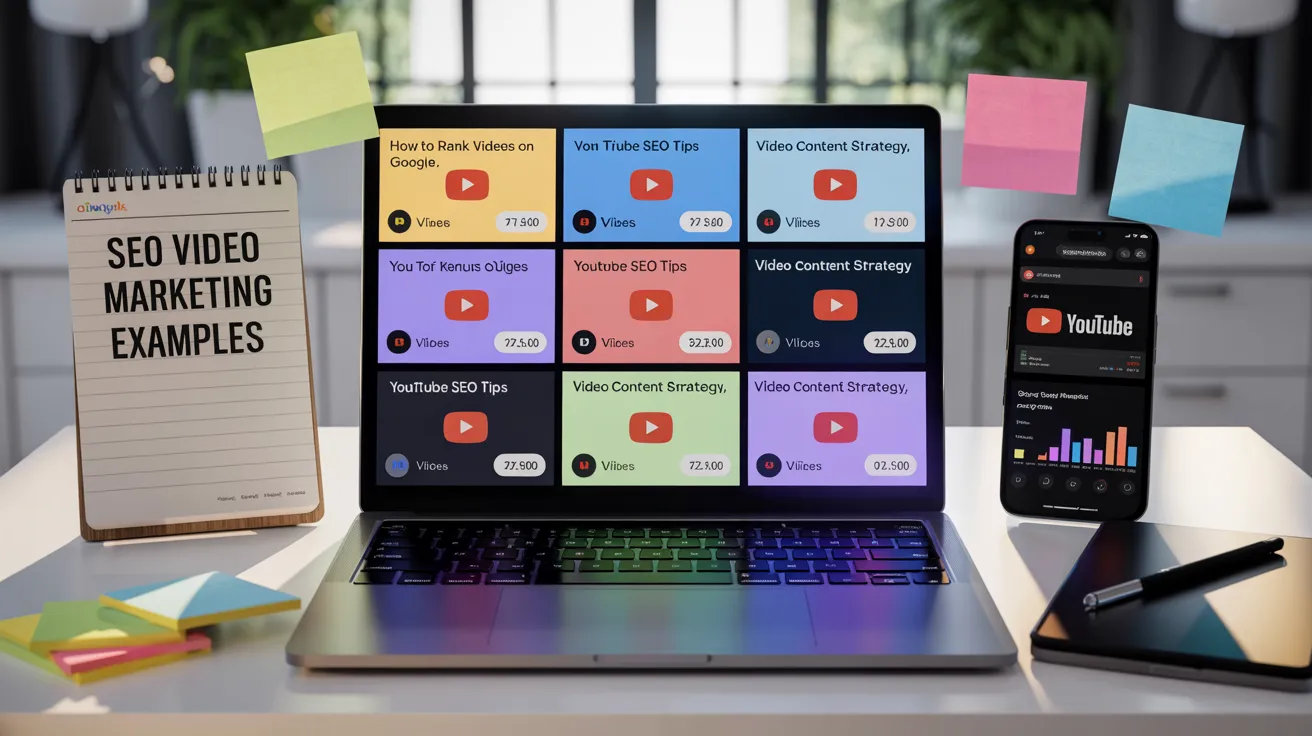
    SEO Video Marketing Guide for Videos That Need to Get Found

    Video marketing for SEO is one of the most effective strategies to improve your website’s visibility and outperform competitors in search results. Research shows that websites featuring video content are significantly more likely to rank on the first page of Google.

    While well-optimized text and images still play an important role in SEO, video content adds an extra layer of engagement and authority that helps your brand stand out online. It not only captures attention but also keeps visitors on your site longer both of which are strong signals for search engines.

    At Explainer Video Company, we’ve seen how powerful video can be in transforming digital presence and improving organic rankings for businesses across industries.

    If you’re looking to strengthen your SEO strategy, integrating video is no longer optional it’s essential. Let’s explore how video marketing can improve your search performance.

    3 Ways Video Marketing Improves SEO Rankings

    When optimizing your website for search engines like Google, many ranking factors determine where your pages appear in search results. Video content helps you align with these factors more effectively and gives your SEO strategy a competitive edge.

    Here are three key ways video can improve your rankings and overall content performance.

    1. Videos Increase Content Depth and Quality

    Search engines prioritize high-quality content that fully answers user queries and provides real value. Video helps you achieve this by making your content more informative, engaging, and easier to understand.

    Instead of relying only on text, videos allow you to visually demonstrate your message, making complex ideas much clearer for your audience. For example, if your business offers advanced products or services, a written explanation can help but a video can take it much further.

    Imagine introducing a new product on your website. A blog post with images might explain its features, but a video can show it in action, demonstrate how it works step by step, and build trust through real visual proof. This combination of storytelling and demonstration creates a stronger emotional connection with your audience.

    By adding video content, you enhance the overall depth of your page, increase user engagement, and improve your chances of ranking higher in search results.

    2. Videos enhance user experience (UX) and increase on-site engagement

    Adding video content to your website significantly improves how users interact with your pages. Instead of facing long blocks of text, visitors get a more dynamic and engaging experience that keeps them interested and encourages them to explore further.

    Videos are especially effective at holding attention. For example, in a complex industry like medical technology, combining well-written content with informative videos helps users better understand your message while keeping them engaged for longer periods.

    This directly impacts key SEO metrics such as dwell time the amount of time a user spends on your page before returning to search results. When visitors stay longer and interact more with your content, search engines interpret this as a strong positive signal, which can ultimately improve your rankings.

    At Explainer Video Company, we focus on creating high-quality explainer videos that complement your written content and elevate the overall user experience. By blending visuals with information, your website becomes more engaging, informative, and SEO-friendly.

    3. Videos increase your chances of earning valuable backlinks

    Video content is highly shareable by nature. In fact, a large percentage of users are more likely to share videos they find useful or interesting, which naturally increases your content’s reach across the web.

    This shareability also plays a major role in backlink generation. When your videos are embedded or referenced by other websites, blogs, or industry platforms, you earn high-quality backlinks that strengthen your SEO authority. Since backlinks remain one of the most important ranking factors, this benefit is extremely valuable.

    To put it into perspective, nearly half of a website’s ranking power is influenced by its backlink profile. Without strong backlinks, even high-quality content can struggle to gain visibility in search results.

    For instance, if a reputable industry blog discovers your content and references your explainer video in one of their articles, it not only drives referral traffic but also improves your domain authority through link equity.

    Research from Ahrefs also shows that a large majority of web pages receive little to no organic traffic due to a lack of backlinks. This highlights just how important link-building is for SEO success.

    By investing in professional video content through Explainer Video Company, you can increase both engagement and shareability, helping your brand attract more backlinks, improve search visibility, and ultimately drive more organic traffic to your website.  

    How to Get Started with Video Marketing for SEO

    You already understand why SEO professionals place so much importance on video content but how do you actually integrate video marketing into your SEO strategy effectively? Below are practical, easy-to-apply steps to help you start using video to improve your search visibility and audience engagement, especially if you’re building your brand through platforms like Explainer Video Company.

    1. Create Video Content That Matches Search Intent

    One of the most important principles in video SEO is ensuring your content aligns with what your audience is actively searching for. While ranking in search engines is important, your primary focus should always be on creating videos for real people with real questions.

    Every video you produce should be built around search intent what users want to learn, solve, or understand. When your content directly answers those needs, it naturally performs better in search results.

    For example, if your goal is to attract authoritative websites or professionals in a specialized industry (such as healthcare, finance, or technology), your video script should reflect that level of expertise. You can confidently use industry-specific terminology without oversimplifying concepts that your audience already understands.

    On the other hand, if your target audience consists of general users searching for quick and easy explanations, your content should be more accessible. In that case, avoid heavy jargon, or take the time to clearly explain complex terms in simple language.

    2. Add SEO Keywords to Your Video Titles and Descriptions

    Keyword research plays a major role in building a strong SEO strategy, and it’s just as important when creating video content. If you want your videos to rank well and reach the right audience, you need to understand what your audience is actually searching for and how they search for it.

    Even if you’re not an SEO specialist, you can still perform effective keyword research. There are several helpful tools available that make the process simple, such as Google Keyword Planner, Keywords FX, and Keywords Everywhere. These tools allow you to enter a topic or seed keyword and discover its search value, competition level, and related keyword ideas that can improve your chances of ranking in search results.

    While doing keyword research, it’s important to remember that search behavior differs across platforms. People don’t always search the same way on YouTube as they do on Google. A keyword that performs well in blog content may not necessarily work the same way for video content. That’s why tools like Keyword Tool’s YouTube feature can be especially useful. You can also use YouTube’s search bar itself to see real-time autocomplete suggestions, which reveal what users are actively looking for.

    Once you’ve identified your target keywords, the next step is to use them strategically in your video title and description. Your primary keyword should naturally appear in both, along with relevant secondary keywords that support the topic. However, it’s equally important not to lose the human touch.

    A common mistake is creating titles that are too generic or robotic. For example, if your target keyword is “video transitions,” avoid using a plain title like “Video Transitions.” Instead, make it more engaging and curiosity-driven, such as “6 Creative Video Transition Techniques to Elevate Your Content.”

    The same principle applies to your video description. Rather than simply stuffing keywords, focus on writing compelling, natural-sounding content that encourages viewers to watch the video while still including your target keywords in a meaningful way.

    At the end of the day, effective video SEO is about balance optimizing for search engines while still creating content that genuinely attracts and engages your audience.  

    3. Add Video Transcripts for Better SEO

    Including a full transcript alongside your video on the same webpage is a powerful way to improve your SEO performance. When you add text content that matches your video, search engines gain a clearer understanding of what your video is about, which helps with indexing and can improve your rankings in search results.

    At Explainer Video Company, we always recommend pairing videos with written transcripts because search engines cannot “watch” or interpret videos the way humans do. A transcript bridges this gap by providing readable content that search engines can crawl and rank.

    Another major benefit is improved user experience. Not every visitor prefers video content some people like to read instead. Studies show that while a large majority of users engage with video, a significant portion still prefers text-based content. By offering both formats together, you ensure your content is accessible to all types of users and learning preferences.

    This combination of video and text not only improves engagement but also increases the time visitors spend on your page, which is another positive signal for SEO.

    4. Promote Your Video Content as Part of Your SEO Plan

    Creating high-quality videos for your website is only the first step in a successful SEO strategy. Once your video is published, active promotion is essential to maximize its reach and impact.

    For brands working with Explainer Video Company, we emphasize that distribution plays a major role in performance. Simply uploading a video is not enough you need to strategically promote it to gain visibility and traffic.

    Start by identifying relevant keywords and audience interests, then look for opportunities to increase video exposure. Well-optimized video content can attract valuable backlinks from other websites, which significantly improves your search rankings. Reaching out to industry blogs, partners, and relevant websites to feature your video can help accelerate this process.

    In addition, social media platforms are powerful channels for sharing your video content. Posting regularly across platforms like LinkedIn, Facebook, Instagram, and X (Twitter) can drive targeted traffic back to your website. Email marketing is another effective method sending videos directly to your subscriber list helps increase engagement and conversions.

    By combining SEO optimization with consistent video promotion, you create a stronger digital presence, boost website traffic, and improve overall visibility in search engines.

    It is the process of making videos easier to discover through search and platform results. That includes titles, descriptions, transcripts, thumbnails, page setup, and overall topic targeting.
    Not every single one, but important videos usually do better when they live on a page with clear context instead of being buried inside unrelated content.
    No. They are usually far less important than the title, thumbnail, description, and overall topic match.
    Yes. They add readable text, improve accessibility, and give the video more searchable context outside the audio itself.
    Treating optimization like a rushed upload task instead of part of the video plan from the beginning.

    Get started with video marketing for SEO today!

    If you’re ready to integrate video into your SEO strategy, we’re here to help. At Explainer Video Company, we specialize in creating powerful video marketing solutions designed to improve your online visibility and drive real business growth.

    As a full-service video marketing agency, we have helped businesses achieve over 255,000 page-one Google rankings for targeted keywords. Our approach combines strategic SEO with high-quality video content to increase rankings, attract more qualified traffic, and convert visitors into customers.

    Whether you’re looking to boost leads, strengthen your brand presence, or grow revenue, our custom video marketing and SEO services are built to deliver measurable results.


  • Commercial Advertising Still Works, But Only If It Stops Feeling Generic

    Commercial Advertising Still Works, But Only If It Stops Feeling Generic

    Commercial advertising is not the problem. Bad commercial advertising is. That is the difference a lot of brands miss. People are not tired of ads just because they are ads. They are tired of watching businesses say the same vague things in slightly different packaging. 

    If a campaign looks polished but says nothing new, people move on fast. If it actually explains something, makes a point, or gives the audience a reason to care, it still works.

    That is why businesses keep running into the same wall. They are spending money on visibility when the real problem is usually clarity, direction, or execution.

    What Commercial Advertising Means Now

    A lot of people still hear the phrase and picture one thing: a television spot.

    That is part of it, but not the whole picture anymore.

    Commercial advertising now covers a wider mix. It can include digital video ads, paid social campaigns, streaming placements, branded video assets, search-led landing page campaigns, and yes, still TV commercials where they make sense.

    The basic idea has not changed. A company pays to place a message in front of the audience it wants to reach. What has changed is the number of formats, channels, and decisions wrapped around that message.

    That is where things get messy for businesses trying to manage it all internally.

    What Is a Commercial Ad Agency?

    The simple answer to what is a commercial ad agency is this: it is a team that helps businesses plan, create, manage, and improve paid advertising campaigns.

    That sounds obvious. Still, it matters to say it plainly because many companies confuse ad agencies with general marketing support, content support, or full-service brand consulting. Sometimes those lines overlap, but the role here is more specific. 

    A commercial ad agency is supposed to help a business get stronger results from paid campaigns, not just make things look professional.

    That means strategy. Media decisions. creative direction. campaign structure. testing. targeting. optimization. reporting. In a good setup, the agency is not just making assets. It is helping the business avoid waste.

    Why Businesses Usually Call an Agency Too Late

    Most teams do not start by thinking they need outside help.

    They try the in-house route first. Somebody handles copy. Somebody else edits a video. A campaign gets launched. The numbers are underwhelming. Then the meeting starts. Maybe the creative was weak. Maybe the targeting was off. Maybe the offer was unclear. Maybe the landing page was doing nothing for the ad spend. Usually, it is a mix.

    That is why hiring a commercial ad agency tends to happen after the business has already burned time and money trying to figure it out on its own.

    The frustrating part is that the campaign often looked fine from the inside. That is the trap. A lot of weak campaigns are not obviously broken. They are just too broad, too flat, too familiar, or too poorly matched to the audience.

    The Real Value Is Not Just “Better Creative”

    This is where people oversimplify things.

    Yes, a good agency should craft engaging content. That part matters. But better visuals alone do not fix a weak campaign. A strong ad still needs the right audience, the right angle, the right timing, and the right placement. Otherwise, you just end up paying to distribute a prettier version of the same problem.

    That is why the strongest agencies do more than make assets. They help figure out:

    • what the audience actually cares about
    • what the ad is supposed to do
    • what kind of offer or message is being tested
    • what should happen after the click
    • where the budget is likely to work hardest

    That combination matters far more than “nice creative” on its own.

    Why So Many Ads Feel Like They Were Made for No One

    Because they were usually made to offend no one.

    That sounds harsh, but it is true often enough.

    A lot of campaigns get watered down during review. The sharper line gets softened. The clearer opinion gets replaced with a safer one. The specific audience gets widened because the brand wants broader appeal. After enough rounds, the ad becomes acceptable to everyone in the room and memorable to no one outside it.

    This is one reason commercial ad agencies can still be useful even for companies with internal teams. A good outside partner can call that out. They can spot when a campaign is turning into polished wallpaper.

    That outside view matters more than people think.

    Strong Commercial Advertising Usually Starts With a Better Question

    Not “what should the ad look like?”

    The better question is, “what is making people hesitate right now?”

    Sometimes it is confusion.

    Sometimes it is low trust.

    Sometimes it is poor product understanding.

    Sometimes the offer is too bland.

    Sometimes the audience simply does not see the value quickly enough.

    If the issue is product clarity, a business may need a stronger explainer-led campaign rather than another generic brand push. That is where an explainer video company can sometimes help more than a standard ad-only mindset, especially if the ad is supposed to move people from “I have heard of this” to “I finally understand why this matters.”

    In other words, the format should follow the hesitation point.

    Not Every Campaign Needs the Same Kind of Video

    Post-production editing of a commercial advertisement

    This is another place businesses waste money.

    They decide they want a video and act like that settles the strategy. It does not.

    The video still needs a job.

    If the product is technical or abstract, tech explainer videos for products can do more than a broad lifestyle ad because they explain the thing people are actually struggling to understand.

    If the product needs visual detail or dimension, 3D explainer video services may be the better fit.

    If the message is clearer when simplified and stylized, 2D explainer video services may be more practical.

    This is also why software brands often lean toward SaaS explainer video services when the problem is not awareness alone. It is comprehension. They do not just need people to notice the product. They need them to get it before they bounce.

    A Reputable Agency Should Help You Spend Better, Not Just Spend More

    This part matters.

    A reputable commercial ad agency should not just encourage more production, more placements, more channels, and more assets because that sounds exciting. It should help the business figure out where not to spend too.

    That might mean:

    • cutting a weak channel
    • narrowing the audience
    • simplifying the campaign structure
    • dropping a vague message
    • improving the page after the click
    • reworking the creative before scaling the spend

    That is real value. Not noise. Not volume. Just better decisions.

    A lot of businesses think they need more ads when they really need fewer bad ones.

    Commercials Still Need a Point of View

    There is a reason some ads disappear instantly while others stick.

    The ones that stick usually say something with a bit of backbone. They are clear. They know who they are talking to. They are not trying to please every possible segment at once. That applies across formats, from direct-response video to broader commercials or humorous social media campaigns that lean more into personality.

    Humor can work. Serious can work. Polished can work. stripped-down can work.

    What does not work well is emptiness dressed up as confidence.

    That is where a lot of campaigns lose shape. They rely on high production value to create importance, but the audience is still left asking the same question: why should I care?

    When It Makes Sense to Hire Help

    A lot of businesses wait until things are really underperforming.

    That is one moment, sure. But it is not the only one.

    You may need to hire a commercial ad agency when:

    • your campaigns look fine but do not convert
    • your team cannot keep up with creative and optimization
    • your ads all sound too similar
    • your competitors are outpacing you in paid visibility
    • you are entering a new market
    • you are spending enough that weak decisions are getting expensive

    That does not mean every company needs an agency forever. But there is a point where trying to do everything internally becomes more expensive than it looks.

    What a Good Agency Should Help With

    A lot of businesses think the agency’s job starts and ends with making the ad look sharper.

    That is only part of it.

    A good team should be helping you think better, not just design better. That means tightening the angle, spotting weak ideas before they eat budget, questioning whether the audience is right, and making sure the campaign suits the platform instead of forcing one piece of creative into places where it does not belong.

    That is where many campaigns quietly fall apart. The ad itself may look decent. The real trouble is somewhere around it. The targeting is off. The landing page is weak. The offer is fuzzy. The message sounds broad because nobody narrowed it down. So the campaign goes live looking polished and still does not do much.

    That is not a creative issue alone. That is a decision issue.

    Why Video Still Carries So Much of the Load

    An example of video commercial advertisement

    There are more channels now, more formats, more places to show up. That part is obvious.

    Even with all that, video still does a lot of the hard work because it can handle several things at once. It can show the product, the tone, the pace, the use case, the personality, and the proof in one go. Static ads can do some of that. Video usually does more.

    That does not mean every campaign needs a giant production. It just means the right video asset can move people along faster than a flat message can.

    This is also why SEO video marketing matters more than some brands expect. If you are putting money behind a video and sending people to a page where the asset has no long-term value, no search angle, and no useful life beyond the campaign window, you are limiting what that spend can do. 

    A strong video can support paid traffic now and still keep doing useful work later.

    That is the smarter way to look at it. Not just, “How do we launch this?” More like, “How many jobs can this asset do after launch?”

    Frequently Asked Questions

    A commercial ad agency is a group that assists firms in planning, developing, launching, and improving paid advertising campaigns. This may involve strategy, creativity, media purchasing, targeting, testing, and performance optimization.
    When internal efforts flop, the team lacks paid-ad experience, or the company spends enough that poor judgments begin to cost actual money. It can also make sense when expanding, repositioning, or entering a new market.
    No. Smaller businesses can benefit too, especially when they need clearer strategy and better use of limited budget. A lot of the time, the issue is not the amount of spend. It is the lack of direction.
    A reputable agency should challenge weak thinking, sharpen the message, and improve how the campaign works as a whole. It should not just make assets, send reports, and disappear into marketing language.
    Yes. Organic and compensated are not performing the same function. Organic promotes long-term visibility and trust. Commercial advertising helps to increase reach, test messaging faster, and drive growth in a more focused way. The most powerful brands frequently understand how to leverage both.

    Final Words

    Commercial advertising still works when it has a clear audience, a real point, and a campaign setup that does more than look expensive. That is where the difference is. A lot of weak ads are not low-budget. They are just underthought. They try to say too much, reach too many people, or hide behind polished creative instead of making the value obvious. 

    A strong agency helps fix that. Not by adding more noise, but by making the message, the targeting, and the follow-through much tighter from the start.

    Related Articles:
  • Tech Explainer Videos for Products People Need to Understand Fast

    Tech Explainer Videos for Products People Need to Understand Fast

    Tech explainer videos work best when they do one thing clearly: make a complicated product feel understandable before the viewer loses interest. That matters because tech buyers usually are not short on options. They are short on patience. 

    If your product takes too much effort to understand, people move on. A good video helps by compressing the message into something faster, clearer, and easier to follow.

    A lot of tech brands still treat video like a finishing touch. Something to add once the homepage is written, the product page is live, and the sales deck is done. That is usually the wrong order. In tech, the explainer is often the first real bridge between what the company built and what the audience can actually grasp.

    Why Tech Products Need More Than Good Copy

    Most tech teams are too close to their own product. They know the workflow, the edge cases, the setup logic, the integrations, and the jargon. So when they explain it, they often explain from the inside out.

    Buyers do not think that way.

    They want the outside-in version first. What is this? What problem does it solve? Why would I care? What changes once I use it?

    That is one reason tech companies need explainer videos more than they sometimes realize. A strong explainer does not replace documentation, demos, product pages, or sales calls. It gets the viewer far enough that those things can actually work.

    This problem shows up across the board. Software tools. cloud platforms. AI products. cybersecurity services. developer tools. infrastructure products. They all get harder to explain the moment the company tries to say everything at once.

    What Makes a Tech Explainer Different

    A tech explainer is not there to sound impressive.

    That is where a lot of them go off track.

    Plenty of business videos sound polished but still leave the viewer with the same question they had at the start. What does this actually do? A tech explainer has to reduce that confusion. It has to shorten the distance between “this sounds complicated” and “okay, now I get it.”

    That is why storytelling in tech explainer videos matters. Not because every brand needs some emotional cinematic arc. It matters because viewers need a simple frame. A problem. A broken workflow. A pain point. A before-and-after. Something they can follow without doing all the work themselves.

    That is also where a strong explainer video company actually proves its value. Not by making the product sound bigger. By deciding what needs to land first and what can wait.

    Animated or Live-Action Is the Wrong First Question

    A lot of teams jump straight into the format.

    Should it be animated or live-action? Should it look sleek? Should it feel futuristic? Should it be cinematic?

    Those are not useless questions. They are just early.

    The better question is this: what is actually hard to explain here?

    If the problem is abstraction, animation probably helps. If the product is physical or trust-heavy, live action may help more. If the interface itself is the product, screen-led content might be the better route. But the format only makes sense once the communication problem is clear.

    That is why it helps to understand the broader types of explainer videos before choosing style references. The format should follow the job. Otherwise, you end up with a nice-looking video that still leaves the audience doing mental labor.

    Where Tech Explainers Help

    The homepage is the obvious place, sure. But that is only one use.

    A good explainer can support:

    • Landing pages
    • Demo requests
    • Investor conversations
    • Outbound sales follow-up
    • Product launches
    • Feature education
    • Onboarding
    • Product pages

    This is also why more brands now incorporate explainer videos into multiple stages of the funnel instead of treating one video like the whole strategy. One broader overview can introduce the product. A second video can support feature understanding. A third can reduce friction after signup. That usually works better than forcing one asset to carry the entire product story.

    Product Explainers and Process Explainers Are Not the Same

    These two get mixed up constantly.

    Product explainer videos focus on what the product is, how it helps, and why someone should care. They sit closer to marketing and conversion. Their job is to make the offer feel understandable.

    Process explainer videos do something different. They show how a workflow operates, how information moves, how a setup happens, or how a system behaves behind the scenes. These are useful when the mechanism itself is part of the value.

    The mistake is combining both too early.

    If the buyer still does not understand the core product value, a process-heavy video can bury them fast. If they already understand the value and want confidence in how the product works, the process video becomes far more useful.

    That is why a well-crafted tech explainer video usually chooses its lane. It does not try to be the homepage pitch, the workflow guide, the feature walkthrough, and the onboarding asset all at once.

    Why SaaS Brands Lean on Explainers So Hard

    SaaS-related explainer videos

    Software products are easy to oversell and easy to undersell at the same time.

    A site says the platform is flexible, powerful, scalable, and built to streamline operations. Fine. But what does that actually mean for the person using it? What changes in their day? What gets easier? What gets less frustrating?

    That is why SaaS explainer videos work when they stay disciplined. They do not throw the whole dashboard at the viewer. They narrow the point. They show the friction. Then they show the shift.

    A lot of brands looking for Saas explainer video services are really trying to solve that translation problem. They are not struggling to build features. They are struggling to explain value in a way that feels quick, believable, and easy to absorb.

    Trust Matters More Than Some Tech Teams Think

    Tech buyers are not only evaluating features. They are evaluating risk.

    Will this tool be annoying to adopt?

    Will my team actually use it?

    Is implementation going to be messy?

    Does this company know how to explain itself clearly?

    Am I buying into something useful or just something dressed up well?

    That is where the benefits of tech explainer videos go past engagement. A good explainer can lower uncertainty. It can show that the company understands the buyer’s problem and respects the buyer’s time.

    People notice when a company cannot explain its own product cleanly. They may not say it out loud. They just hesitate.

    The First Video Should Not Try to Do Everything

    This is where a lot of projects start getting bloated.

    The team wants the first video to explain the whole platform, all the user types, the feature stack, the integrations, the product story, and the brand at the same time. That is how something promising turns into something crowded.

    A better first video is narrower.

    One product.

    One pain point.

    One major shift.

    One next step.

    That matters especially before you move into onboarding explainer videos or deeper educational content. If the buyer still does not understand the core offer, they are not ready for a guided setup sequence yet.

    Style Matters, but Only After the Message Is Clear

    This is where teams often get distracted.

    They debate whether the video should feel premium, minimal, bold, or futuristic before they have agreed on the explanation itself. That is backward. The stronger move is to figure out what the viewer is struggling to grasp, then choose the format that clears that up with the least friction.

    A lot of the time, 2D explainer video services make the most sense for tech because they keep the message flexible. They are good at simplifying workflows, abstract products, interfaces, and category education without making the piece feel too heavy.

    Then there are situations where 3D explainer video services really earn their place. Hardware. layered systems. products with interiors or physical components. anything where depth and structure are part of the explanation. That is when the extra detail is doing real work.

    The audience does not care which style sounded fancier in the planning meeting. They care whether the product finally makes sense.

    Live Action Has a Place Too

    An example of live-action explainer video

    Tech brands lean heavily on animation, and sometimes that is right. But there are cases where live-action explainer videos make more sense.

    That usually happens when trust is the bigger issue than abstraction. Maybe the company needs to show the people behind the product. Maybe the setting matters. Maybe the audience does not need a metaphor. They need a real person speaking plainly.

    That is where live action can help. A founder. A team member. A customer. A real environment. Those things can make a product feel less like a floating tech claim and more grounded in something real.

    Still, live action is not automatically more human. A stiff script is stiff no matter who is on camera.

    One Video Is Rarely the Whole System

    This is something tech brands learn a bit late.

    The first explainer is not supposed to carry the entire company forever. It is an entry point. Not the whole library.

    One video may introduce the product.

    Another may explain a feature.

    Another may help with signups.

    Another may support retention.

    That is usually when creating a tech explainer video starts making more sense strategically. You stop asking one asset to do every job and start building a cleaner explanation system instead.

    Onboarding Videos Quietly Do a Lot of Heavy Lifting

    Many tech brands pour energy into acquisition and then get surprisingly thin after the user signs up.

    That is a mistake.

    If the product still feels confusing after purchase, the win is not as strong as it looked. This is why onboarding explainer videos matter so much. They cut early friction. They show people where to begin. They stop the user from landing in a dashboard and wondering what now.

    This is often where a well-produced tech explainer video earns more trust than a flashy launch piece. The user is no longer just judging the promise. They are judging whether the company actually helps once they are inside.

    That lands harder than people think.

    Tech Videos Need Better Distribution Thinking

    A strong video can still underperform if the setup around it is weak.

    That is one reason SEO video marketing matters for tech brands that want more than a few nice views. If a video is supposed to support search, it needs a proper landing strategy, supporting page copy, captions, or transcripts where they help, and a page structure that gives the asset context. A floating embed on a weak page is usually not enough.

    This does not mean every video needs a giant SEO rollout. It means the good ones should not be treated like isolated files with no plan attached.

    A Good Tech Explainer Feels Edited, Not Stuffed

    You can usually tell when a team never made the hard cuts.

    Another feature. Another claim. Another user type. Another workflow. Another benefit. It keeps going, and the viewer keeps losing the thread.

    A stronger explainer feels edited. It knows what belongs in the first explanation and what should wait. It respects the fact that the viewer is trying to make a basic decision before they are ready for the whole product map.

    That is often the difference between a forgettable video and one that actually works.

    Frequently Asked Questions

    Tech explainer videos are short videos used to explain technical products, services, platforms, or workflows in a way that feels easier to understand. They are designed to reduce confusion quickly so the audience can grasp the value without getting buried in product language.
    Because many tech products are harder to understand at first glance than the teams building them realize. People do not always have the patience to decode a platform from homepage copy alone. Video helps shorten that gap and makes the product feel more approachable.
    Not automatically. Animation often works well for software, systems, and abstract ideas. Live action can be stronger when trust, people, or real-world context matter more. The better choice depends on what the viewer needs help understanding.
    Product explainer videos help people understand what the product is and why it matters. Onboarding explainer videos help new users get started after they sign up. One is meant to create clarity before action. The other is meant to reduce friction after action.
    Usually shorter than most teams first imagine. In most cases, the sweet spot is long enough to explain one clear idea and short enough to keep the viewer moving. If the product needs more depth, that is usually a sign you need more than one video, not one longer script.

    Final Words

    Tech products usually lose people in one of two ways. They either explain too much too soon, or they explain the wrong thing first. That is why tech explainer videos matter. A good one gives the viewer a way in. It makes the product feel easier to follow, easier to trust, and easier to remember. It does not try to cram the whole company into ninety seconds. 

    It just gets the right point across at the right stage. When that happens, the rest of the marketing starts working harder too.

    Related Articles:
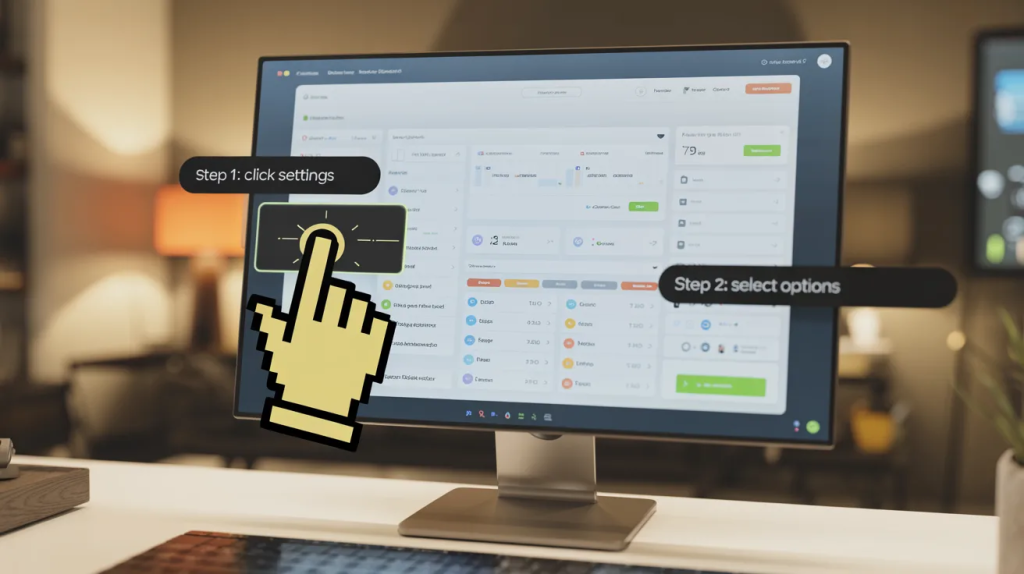
  • Types of Explainer Videos and How to Pick the One For Your Brand

    Types of Explainer Videos and How to Pick the One For Your Brand

    The best types of explainer videos are not “best” because they look expensive or trendy. They work because they match the job. That sounds obvious, but this is where a lot of teams go wrong. They start with style. 

    They say they want animation, or something slick, or something modern. Fine. But none of that answers the useful question: what does the viewer need to understand, and what format will make that easiest? Until that part is clear, the rest is guesswork.

    That is why some videos feel right straight away, while others look polished and still do not do much.

    Most Businesses Pick a Format Too Early

    This happens more than people admit.

    A team decides they need video, then the discussion jumps straight to visuals. Should it be animated? Should it feel cinematic? Do we want a voiceover? Do we want it to look more premium? Those are not bad questions. They are just not the first questions.

    The first question is simpler: what is this video supposed to solve?

    If people do not understand the product, that is one kind of problem. If they understand it but do not trust it yet, that is another. If they already trust it and just need to see how it works, that is another again. Once you know the job, the format gets easier to choose.That is also why it helps to be clear on what is an explainer video before choosing a style. It is not just “a short branded video.” It is a communication tool. If the communication problem is fuzzy, the creative choices usually get fuzzy too.

    Animated Explainer Videos

    An animated explainer video

    This is still the default option for a lot of brands, and there is a reason for that. Animated explainer videos are flexible. They can simplify complex ideas, control pacing, and keep attention on the point instead of the background details.

    That makes them useful for:

    • software products
    • abstract services
    • startup ideas that need framing
    • process-heavy offers
    • homepage explainers

    Animation is especially handy when the thing you are explaining is not easy to film. A platform. A workflow. A system. A concept. These are not always visually strong in real life, but animation gives you more control over what people see and when they see it.

    The catch is that animation can also become generic very quickly. A weak script covered in smooth visuals is still a weak script.That is why a good explainer video agency is not just there to “make it animated.” The real value is in deciding what should be shown, what should be trimmed, and what the viewer actually needs first.

    Motion Graphics Videos

    A motion graphics video

    Some businesses do not need characters, story scenes, or anything too illustrative. They just need clarity with some pace to it. That is where motion graphics tend to work well.

    This format leans on movement, text, icons, diagrams, UI fragments, charts, and transitions rather than character-driven storytelling. It often feels cleaner and sharper, especially in B2B.

    If the message involves steps, systems, timelines, or data, motion graphics can be a better fit than trying to turn everything into a miniature narrative. It feels less forced.A lot of brands turn to motion graphics design services when they want the video to feel modern and structured without making it too playful or too stiff. It is a good option when the message needs visual organization more than emotional storytelling.

    Whiteboard Explainer Videos

    A whiteboard explainer video

    Whiteboard explainer videos are older, yes, but not useless.

    They still work when the message is educational and the audience mainly needs a simple path through the idea. The drawing style gives people something easy to follow. It reveals information in sequence, which can be helpful when the subject feels crowded or unfamiliar.

    That said, this format is not always the right call for brands that need a more current or premium look. Whiteboard can feel too plain for some categories. It is strong when simplicity is the selling point, not when visual sophistication matters.

    So no, it is not outdated by default. It just has a narrower lane now than it used to.

    Kinetic Typography Videos

    A kinetic typography video

    This style gets underestimated because it looks too simple on paper.

    But kinetic typography can be very effective when the script is strong and the message needs punch. Text in motion can create speed, emphasis, and rhythm without needing a more elaborate visual world around it.

    It works especially well for:

    • ad-style explainers
    • short launches
    • message-led brand videos
    • social cuts
    • videos built around one strong claim

    If the wording is doing a lot of the work, this format can sharpen it instead of distracting from it. If the wording is weak, though, this style exposes that very quickly. There is less to hide behind.

    Live-Action Explainer Videos

    A live-action explainer video

    Sometimes the strongest thing a brand can show is a real person.

    Live-action explainer videos usually work best when trust, personality, or physical demonstration matter more than abstraction. Service businesses often benefit from this. So do products that need to be seen in real hands or real environments.

    A live-action video can make a company feel more grounded. More direct. Less distant.

    That is useful for consultants, healthcare services, education brands, agencies, coaches, some B2B offers, and physical products. It is also useful when a founder or team member helps carry trust better than a polished voiceover ever could.

    But live action is not automatically more “human.” A badly scripted live-action video can feel even more forced than a stiff animated one. Real faces do not solve vague messaging.

    Product Demo Videos

    A product demo video

    This is the format people should choose more often when the buyer is already interested.

    Product demo videos are less about introducing the idea and more about proving the thing works. They show use, flow, result, setup, interface, or functionality in a more direct way. That makes them especially useful lower down the funnel.

    They are strong on:

    • product pages
    • sales pages
    • comparison pages
    • onboarding sections
    • demos used by sales teams

    This is also where the importance of video for a product page becomes hard to ignore. Photos and bullets do not always answer the real question in the buyer’s head. A demo often does. It lets them picture the product in use, not just in theory.

    For software, demos can overlap with walkthroughs. For physical products, they often focus on use, handling, or outcome.

    Screencast Explainer Videos

    A screencast explainer video

    For software, screencast explainer videos are one of the most practical options available.

    They do not try to reinvent the product visually. They show the real interface. That alone can make them more useful than a broader explainer when the audience already wants specifics.

    This style works well for:

    • SaaS products
    • platform tours
    • onboarding
    • support content
    • feature education

    It is common in SaaS explainer video production because people often need to see the workflow, not just hear about the benefits. A screencast can show where to click, what happens next, and how simple or involved the process actually is.

    It is also usually more budget-friendly than a bigger animated build, which makes it a sensible option for growing software teams.

    So Which Format Should You Choose?

    Here is the simpler version.

    If the product is abstract, animation usually makes sense.
    If the message is structured and system-heavy, motion graphics may be the better call.
    If the service depends on trust and real people, live action can work well.
    If buyers need to see the product in use, choose demos or screencasts.
    If one specific capability needs more explanation, use a feature breakdown.
    If users need help taking the next step, build a tutorial.This is also the stage where how to write an explainer video brief becomes a real business question instead of a process question. If the brief does not define the job properly, teams often choose the wrong format for the wrong reason.

    Budget Matters, but Not in the Lazy Way

    Budget obviously affects the decision. That is real.

    But it should not be the only thing driving it. The cheapest option is not always the smartest. Neither is the most elaborate one. Some brands overspend on visuals when the message still is not clear. Others choose a cheaper route that cannot carry the explanation properly.

    There are times when a 2D animation explainer video company is exactly the right fit because the message needs control and clarity more than visual realism. 

    There are other times when 3D explainer video services earn the extra spend because the product needs depth, spatial detail, or technical visualization.

    The better question is not “what looks impressive?” It is “what makes this easier to understand?”

    That is the one worth paying attention to.

    Frequently Asked Questions

    The main categories usually include animated explainer videos, live-action explainer videos, product demo videos, screencast explainer videos, feature breakdown videos, tutorials, and testimonial-led videos.
    For most software brands, animated explainers, screencasts, and feature breakdown videos tend to work best because they make digital products easier to follow.
    Not always. Live action works well when trust, personality, or physical products matter. Animation works better when the message is abstract or harder to show in real life.
    Usually a demo if the buyer already understands the product category and wants to see the product in use. A broader explainer works better when the core value still needs to be established first.
    Start with the audience, the problem, and the job of the video. Then choose the format that makes the message easiest to understand.

    Final Words

    The best types of explainer videos are the ones that match the real communication job in front of them. That is it. There is no universal winner. Animated videos, motion-led formats, live action, demos, screencasts, tutorials, and testimonials all work in different situations. 

    The mistake is choosing by trend, habit, or personal taste before you understand what the audience actually needs. Once that part is clear, the format decision gets much easier, and the video has a far better chance of doing something useful.

  • Why a Corporate Video Gets Ignored So Easily and How to Fix It

    Why a Corporate Video Gets Ignored So Easily and How to Fix It

    A corporate video should explain who you are, what you do, and why they should care. That sounds straightforward. However, many of them wind up sounding like ambient noise. They’re polished, expensive-looking, and absolutely forgettable after five minutes.

    That is the real problem. Most business videos do not fail because they are badly made. They fail because they feel too familiar. Same tone. Same structure. Same safe choices. The viewer has seen it all before, even if they cannot explain why.

    That is where things get interesting.

    Sometimes the quickest way to figure out what makes a video uninteresting is to watch one that mocks other boring films. The joke succeeds because the audience recognizes the pattern. They notice the phony sincerity, the dramatic pace, the hollow platitudes about innovation, and the pictures that appear to be from a common corporate starting pack.

    That reaction is useful. It tells you where the numbness starts.

    The Problem Usually Is Not Quality

    A lot of bland business videos are produced well enough. Nice lighting. Decent edit. Clean sound. No obvious disaster anywhere. But none of that guarantees interest.

    The viewer is not sitting there grading exposure levels. They are deciding, often very quickly, whether this feels worth their attention. If the script sounds like it was written for any company in any industry, the viewer checks out. 

    That happens across all types of online video, but it shows up badly in business content because so many brands are trying to sound important instead of trying to sound clear.

    That is why funny parodies land so well. They are not just silly. They are accurate.The best fake business videos work because they pull familiar habits into the light. They exaggerate them just enough to make people notice what has become normal.

    We All Know the Clichés When We See Them

    You do not need a film degree to spot the patterns.

    • The whispered founder voice.
    • The giant claim with no real meaning.
    • The shot of someone staring thoughtfully through office glass.
    • The sequence where every object slides onto a desk like it is part of a tiny ceremony.
    • The smiling meeting that tells you nothing.

    Then there are those old top-down shot videos that were everywhere for a while. Hands moving things around with deliberate neatness. Coffee cup here. Notebook there. Tiny prop placement that looked styled down to the millimeter. For a stretch, every other business seemed convinced that flat-lay movement automatically made a video feel modern.

    It did not. Not for long.Any strong explainer video company should be able to spot that sort of thing early. Once a visual habit becomes too common, it starts making a video feel dated before the viewer even gets to the message.

    Parody Only Works When It Is Painfully Specific

    That is what makes it good.

    A fake startup launch is not funny because it is random. It is funny because it copies the confidence, the rhythm, and the odd little habits of a real startup launch so closely that the audience knows exactly what is being mocked. 

    The same goes for a spoof product launch video that treats a minor update like it is changing human history. The joke is not just in the product. It is in the tone.

    And that is the uncomfortable bit for brands.

    If a parody can copy your category that easily, it probably means your category has gotten lazy. Same voice, same pacing, same phrases, same dramatic reveal structure. That is not a creative problem only. It is a communication problem.Sometimes businesses look at motion graphics services because they want a cleaner, smarter way to explain something without falling into that trap. That can help, but only if the message itself has a pulse. Motion cannot rescue a dead idea.

    Funny Does Not Mean Sloppy

    A humorous sequence of a corporate video

    This gets misunderstood a lot.

    People hear “humor” and think they can loosen everything up. However, when the facts are incorrect, humor, particularly parody, quickly collapses. If the acting is poor, the editing lags, or the visual language is uneven, the overall impression becomes unprofessional rather than crisp.

    That is why the best humorous business videos are often made with real care. The team commits to the style. They get the pacing right. They make the fake thing believable enough that the audience feels the recognition before the punchline lands.

    You see the same thing in an animated explainer video when it is spoofing the overdone startup style. If the scenes move like the real thing and the voiceover follows the usual pattern a little too perfectly, the audience gets the joke immediately. They know that rhythm. They have sat through it before.That is also where the old explainer video scripting formula starts showing its seams. Problem. solution. feature. benefit. call to action. The structure itself is not bad. The issue is that everyone uses it without any real thought, so every script sounds assembled rather than written.

    A Brand Does Not Need to Be Funny All the Time

    That would be exhausting.

    But a brand should know when it is becoming too stiff. That is the part many teams miss. They think the opposite of boring is outrageous. It usually is not. Often, the opposite of boring is just honest.

    More direct wording helps. Sharper examples help. A little self-awareness helps a lot.

    This matters when you are crafting a branding video. If the whole thing is built on mood and broad statements, people may remember the tone but forget the company. That is not much of a win. A stronger brand video has some shape to it. It sounds like somebody meant what they said.The same logic applies whether a team is considering 2D explainer video services for a cleaner, simpler story or looking at 3D explainer video services because the product needs more dimension. The format is not the point. The point is whether the message still sounds alive once the visuals are stripped away.

    Why So Many Corporate Videos Blend Together

    Because too many of them are scared to commit.

    They want to be serious but not too dry. Smart but not too technical. bold but not risky. Warm but not informal. Premium but still approachable. After enough of that balancing act, the script turns into beige. Nothing is wrong with it, but nothing is interesting either.

    A lot of corporate video productions die in exactly that middle ground.

    Nobody wants to be the person who approved something strange, so the idea gets smoothed out until it cannot offend anyone. It also cannot surprise anyone. That is how you end up with a video that feels “safe” in the meeting and invisible everywhere else.For software brands using SaaS explainer video services, this shows up in a different way. The script gets loaded with features, dashboards, integrations, and efficiency talk until the human point disappears. The team thinks they are being thorough. The viewer just feels crowded.

    A Better Video Usually Starts Earlier Than People Think

    Actors dressed up as employees in a funny corporate video

    Not at animation. Not at edit. Not at storyboards.

    It starts with the thinking.

    If the brief is vague, the result will usually be vague too. A team that is still trying to figure out what is an explainer video in practical terms should stop thinking of it as “a nice short video” and start thinking of it as a tool with one job. Not five jobs. One.

    That is why it matters to know how to write an explainer video brief before the production side starts moving. A decent brief can save a weak concept from becoming an expensive one. It forces the team to say who this is for, what confusion needs clearing up, what tone actually fits, and what action should come after the viewing.The money question comes right after that. Everyone likes asking how much does an explainer video cost, but that question is half-useless when the scope still shifts every other day. Projects get expensive when the thinking is foggy, not just when the visuals are ambitious.

    Frequently Asked Questions

    Because many of them employ the same visual patterns, tone, and sweeping promises. When enough brands adopt the same strategy, everything begins to blend together.
    Not automatically. Humor is useful when it sharpens the message or makes the video more memorable. A serious video can work very well too if it sounds specific and does not fall into cliché.
    Accuracy. The better it copies the real tone, pacing, and style of the thing it is mocking, the funnier and sharper it becomes.
    No. They should not choose a style simply because it is fashionable. If it suits the message, that’s acceptable. If it is included to make the work appear contemporary, it typically ages poorly.
    Yes. Those two things are not in conflict. The problem starts when polish replaces personality, clarity, or point of view.

    Final Words

    A corporate video gets ignored when it looks polished but sounds empty. That is the trap. Businesses sometimes spend so much effort making the product seem professional that they forget to make it feel unique. Funny business videos are beneficial since they highlight weaknesses. 

    They demonstrate how simple it is to replicate a worn structure, mimic a hollow screenplay, or reveal a rehashed visual style. Even if your company never approaches parody, there is an obvious lesson here. People remember work that feels intentional, human, and more difficult to replace.

  • What Is an Explainer Video and Why Businesses Use One

    What Is an Explainer Video and Why Businesses Use One

    What is an explainer video? Simply said, it is a short film that explains what a business, product, service, or concept accomplishes. It converts anything that may appear scattered, complicated, or easy to misunderstand into a single clear message that others can follow. 

    Current Shopify, Vimeo, and Visme instructions all point in the same direction: explainer films are designed to help people comprehend more quickly.

    That matters because most buyers do not arrive on a website ready to read everything. They want the short version first. They want to know what the product is, who it is for, and why it matters before they commit more time.

    The Simple Definition Most Brands Actually Need

    A lot of articles overcomplicate this topic. The cleaner answer is better.

    An explainer video is the piece that answers the first questions a buyer has when they land on your page. It is not supposed to say everything. It is supposed to make the next step easier.

    That is why what are explainer videos is still such a common question. The structure seems apparent once you watch it, yet many firms still confuse it with a brand film, a product presentation, or a social ad. Those may overlap, but they are not the same job.

    A strong explainer is usually doing one of these things:

    • Introducing the company
    • Explaining a product or service
    • Breaking down a process
    • Simplifying a hard idea
    • Helping the buyer decide whether to keep going

    Why Businesses Keep Using Them

    Businesses use explainer videos because they save people time.

    That is the plain truth.

    Instead of asking a visitor to piece together the offer from headlines, screenshots, feature grids, and scattered copy, the video does the heavy lifting in one place. Shopify’s explainer-video guidance leans on this same benefit by focusing on showing how a product works and why customers should care.

    This is also why explainer video marketing works when the message is even slightly complicated. The video is not just there to make the page look active. It is there to cut friction. When buyers understand faster, they are more likely to stick around.A good explainer video production company usually starts here. Not with visual style. Not with transitions. Not with background music. It starts with the question, “What is the audience struggling to understand right now?”

    What a Good Explainer Video Includes

    You do not need a huge production to make this format work. You need a clear structure.

    Most good explainers follow a simple path:

    • Problem first.
    • Solution second.
    • How it works next.
    • Why it matters after that.
    • Then a clear next step.

    That is one reason Vimeo’s current guide puts so much emphasis on refining the value proposition before the visuals are built. If the message is messy, the video will be messy too.

    This is where some brands make the wrong move. They jump straight into animation references before they have agreed on the message. Then they wonder why the finished video looks polished but still feels vague.An explanation video only works when the viewer can repeat the point back in one sentence after watching it.

    Not Every Explainer Has to Look the Same

    Some explainers are built for homepages. Some are made for product pages. Some support sales calls. Some are created for onboarding. Some are aimed at cold traffic that knows almost nothing about the brand.

    So no, there is not one fixed format.

    For software, screen-led or animated explainers often make more sense because the product can feel abstract. For service businesses, a brand-level overview can work better. For ecommerce, the explainer may sit closer to a product walkthrough. 

    Shopify and Visme both support that wider view by describing explainer videos as flexible enough to cover products, services, and concepts in different formats.That is also why a motion graphics production agency can be useful when the thing you are selling is harder to show in real life. Motion can simplify a process in seconds that would take far too long to explain in static copy.

    The Best Ones Feel Clear, Not Clever

    An example of explainer video usage in businesses

    This is worth saying because a lot of brands get distracted here.

    A good explainer is not trying to sound brilliant. It is trying to be understood.

    The buyer should not have to pause and decode industry language. They should not need a second viewing just to understand the offer. They should not finish the video thinking, “That looked nice, but I still do not really get it.”

    This is especially true for companies shopping for SaaS explainer video services, because software teams often have too much to say and not enough discipline around what the first video should actually cover.

    The best-performing explainer is usually the one that trims the message down to its most useful shape.

    Where Brands Often Get It Wrong

    The biggest mistake is trying to say everything at once.

    The second biggest mistake is using the video to impress instead of explain.

    An explainer does not need ten feature points, three audiences, four use cases, and a heroic brand monologue. It needs one clear job. Once the job is clear, the structure gets easier, the script gets tighter, and the visuals make more sense.

    That is why the format still works so well. It respects how people actually browse. Fast first. Deeper later.

    2D or 3D Depends on What You Need to Show

    This part gets overcomplicated far too often.

    Some businesses act like choosing a style is the big decision. It usually is not. The real question is simpler: what does the viewer need to understand fast?

    If the message is abstract, process-driven, or a bit hard to show with real footage, 2D explainer video services are often the easier fit. They keep the focus on the idea, not the polish. You can simplify a workflow, show a sequence clearly, and guide the viewer without making the whole thing feel heavy.

    If the product needs more realism, more depth, or more technical detail, 3D explainer video services can make sense. That is more common when a company needs to show structure, movement, layers, or a product that feels flat in regular visuals.

    Neither option wins by default. The better one is the one that makes the message easier to grasp in one watch.

    It Is Not Just for a Homepage

    A lot of businesses hear “explainer video” and picture one thing sitting on the front page of a website.

    That is only one use.

    A good explainer can help in sales decks, landing pages, onboarding flows, follow-up emails, product pages, ad campaigns, and investor conversations. It works anywhere the audience needs the short version before they are willing to give you more attention.

    That is why businesses looking at video explainers services should not start by asking for a style. They should start by asking where the confusion is showing up. If prospects keep asking the same basic question on calls, that’s your clue. If a landing page gets traffic but people still do not seem to understand the offer, that is your clue too.

    The video should go where it can remove friction. That is the real use case.

    The Best Ones Make the Next Step Feel Easy

    Explaining difficult business concepts through a simple and minimalistic animated explainer video

    An explainer does not need to close the whole deal.

    It just needs to get the viewer unstuck.

    That could mean helping someone understand the product. It could mean helping them see why the offer matters. It could mean clearing up the one point that keeps slowing everything down. Once that happens, the next action feels more natural. Book the demo. Start the trial. Keep reading. Ask for pricing. Whatever makes sense for the page.

    This is especially true for software brands using SaaS explainer video services. Software teams usually have too much material and not enough restraint. They try to squeeze in every feature, every integration, every workflow, and every little advantage. 

    The result is usually clutter. A better explainer trims that down and gives the buyer one clean picture of what the product actually helps them do.

    That is what makes the format useful. It reduces mental drag.

    Most Companies Wait Too Long

    This happens all the time.

    A business launches the site. The copy sounds decent. The design looks fine. Everyone assumes the offer is clear enough. Then, a few weeks or months later, the same pattern shows up. Visitors do not stay long enough. Sales calls start from square one every time. People ask questions that the site was supposed to answer already.

    That is usually when the need for an explainer becomes obvious.

    Not because the business suddenly discovered video. Because they finally noticed how much effort the audience is spending just trying to piece the story together.

    A strong explainer gives the company a version of the message it can keep reusing. Same core story. Same value. Same logic. Just delivered in a way that is easier to absorb.

    Frequently Asked Questions

    Its purpose is to assist customers in rapidly comprehending a business, service, product, or process. Most businesses use one when they need to convey something effectively without making customers wade through a lot of content.
    Usually shorter than people realize. The idea isn’t to cover everything. The objective is to thoroughly explain one concept while leaving the viewer with a clear understanding of what to do next.
    A summary is provided by an explainer. It focuses on the primary concept, the challenge, and the value. A product demo explains how the thing works step by step.
    Yes, if they sell something that takes a bit of explanation. A small business can benefit just as much as a large one if the audience needs help understanding the offer faster.
    Select a format that makes the message simpler to understand. If the notion is abstract, 2D is usually sufficient. If the product requires depth or increased visual realism, 3D may be worth it.

    Final Words

    So, what is an explainer video really?

    It is the fastest clear version of your message.

    Not your whole brand story. Not every feature. Not a giant sales pitch. Just the cleanest explanation of what you do, who it helps, and why someone should care. That is why businesses keep using them. They save people time, remove confusion, and make it easier for the right buyer to keep moving.