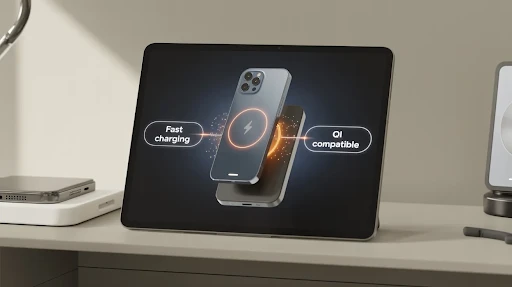
Animated product videos help people see what a product does before they read a long description, compare features, or ask support the same basic questions. That matters because product pages are crowded. Customers skim.
They look at photos, scan a few bullets, and decide fast whether the product feels useful. A good animated video gives them the short version without making the experience feel like a sales manual.
The best ones do not just show the product. They show the problem, the use, the result, and the reason someone should care.
That is why brands use animation for physical products, digital tools, apps, financial products, health items, and household goods. When the idea needs more than a photo, animation gives the product room to explain itself.
What Are Animated Product Videos?
Animated product videos are short videos that use visuals, movement, characters, graphics, or 3D scenes to explain a product. Some are fun and character-led. Some are clean and technical. Some focus on a real product benefit. Others use story, humor, or a problem-solution setup to make the product easier to remember.
You can think of them as product explainer videos built specifically around a product’s value. They may explain how it works, who it helps, what problem it solves, or why it is better than the old way of doing things.
Unlike a traditional explainer video that may introduce a company or service, product-focused animation usually stays closer to the item itself. It gives the viewer a clearer mental picture of how the product fits into their life.
That is also why an explainer video production company has to start with the product’s purpose, not just the style. Pretty animation is not enough. The viewer should leave knowing what the product does and why it matters.
Why Animated Product Videos Work So Well
The short answer is that animation can show things that live footage cannot always show easily.
A cleaner dissolves invisible grime. A financial app changes how people manage money. A supplement brand needs to make health benefits feel approachable. A solar product may need both practical detail and visual polish. In each case, animation can simplify the message without making it boring.
That is the real strength of animated product explainer videos. They turn product details into something easier to watch. They can zoom in, exaggerate, simplify, dramatize, or show invisible effects in a way that photos and basic copy often cannot.
Good animated videos also give brands more control. You can control the mood, pace, color, characters, setting, and story without relying on expensive locations or perfect real-world conditions.
The Main Explainer Video Styles for Products
There are several explainer video styles brands can use for product videos. The right one depends on what the audience needs to understand.
Whiteboard animation works well for educational products or simple explanations.
Motion graphics are useful when the video needs a clean, modern feel with text, icons, and graphic movement.
Character animation works well when the brand wants the product story to feel more human.
A 2D animated explainer video can be a strong fit when the product benefit needs to feel clear, approachable, and easy to follow.
3D animation works best when the product needs depth, realism, structure, or physical detail.
There is no single best format for every product. The best choice is the one that makes the product easier to understand, not just the one that looks most expensive.
5 Animated Product Videos Worth Learning From
The reference list includes five strong examples: Oh Yuk, Get A Print, Addition Financial, Nature’s Dynamics, and Soleeva. Each one shows a different way to approach explainer videos for products without forcing every brand into the same visual formula.
These are not just favorite explainer videos because they look nice. They each teach something useful about how product animation can work.
1. Oh Yuk Shows How Animation Can Make a Simple Product More Fun
Oh Yuk is a tub cleaner, which does not sound like the easiest product to make exciting.
That is exactly why animation helps.
A cleaning product often needs to show what people cannot see clearly: buildup, grime, hidden mess, and the relief of finally fixing it. A live-action product shot might show the bottle, the tub, and maybe someone using it. Animation can go further. It can turn the hidden problem into a visible one and make the effect feel more satisfying.
This is where character-led animation works well. The video can show frustration, relief, and a cleaner result without making the topic feel unpleasant or dull.
A 2D explainer video company might use this kind of approach when the product is simple, but the benefit needs more visual appeal. It is not about making the cleaner look realistic. It is about making the problem and solution easy to grasp.
2. Get A Print Proves You Do Not Always Need a Voiceover
Get A Print is a nice example because it steps away from the standard voiceover-led format.
The product idea is simple: print photos from your phone and have them delivered. A lot of brands would explain that with narration and a few obvious scenes. This one works because it lets the visuals carry more of the story.
That can be a smart choice when the product journey is already easy to follow. If people can understand the action from the visuals alone, the video does not need to over-explain. It can rely on pacing, character behavior, and clear visual steps.
This is how an engaging explainer video avoids feeling like a lecture. It trusts the viewer a little. It does not spell out every tiny detail. It shows enough for the idea to click.
For product brands, that restraint can be powerful.
3. Addition Financial Uses Product Context in a Smarter Way
https://vimeo.com/617397376?fl=pl&fe=sh
Addition Financial is slightly different from the other examples because it focuses on an app and online experience. Still, it connects to products people use every day, like a phone, a credit card, or a personal finance tool.
That makes it useful for brands that sell both digital convenience and real-world value.
Financial products can become dry very quickly. People may understand the category, but they still need to see why the experience is easier, faster, or more useful. Animation helps by making the digital side feel less abstract.
This is also where a SaaS explainer videos company can take notes, even outside finance. When the product lives on a screen, the video has to show more than interface shots. It needs to show how the product changes the user’s day.
The best digital product videos do not just say the app is helpful. They show the moment where it becomes helpful.
4. Nature’s Dynamics Makes the Product World Feel Bigger
Nature’s Dynamics is a good reminder that product videos do not have to stay small.
Gummy vitamins and probiotics could be shown in a simple product demo. But animation allows the brand to build a whole world around the product. That can make the video feel more memorable and more emotionally connected to the product benefit.
This kind of approach works well when the brand wants to sell more than function. It wants to sell feeling, trust, energy, wellness, or imagination. Character animation, detailed backgrounds, and immersive transitions can help create that feeling.
The lesson here is simple. If the product has a strong emotional or lifestyle angle, let the animation support that. Do not reduce the video to a list of ingredients and benefits.
The product still needs clarity, of course. But it can also have charm.
5. Soleeva Shows When 3D Is the Better Fit
Soleeva is the example that shows why some products need more visual depth.
Solar panels are physical, technical, and tied to real-world installation and performance. A flat illustration can explain the idea, but sometimes a more dimensional approach makes the product feel more concrete. That is where 3D earns its place.
A 3D video showcases the shape, structure, surface, and presence of a product in a way 2D may not always capture. For solar panels, hardware, medical products, machines, devices, and anything with physical detail, that can be a major advantage.
This is where a 3D explainer video company can help a brand show the product with more realism while still keeping the message controlled and easy to follow.
The trick is not to use 3D just because it looks premium. Use it when depth, texture, and physical detail help the viewer understand the product better.
Frequently Asked Questions
[dynamic_faq]
Final Words
Animated product videos work because they make products easier to see, understand, and remember. They can show hidden benefits, simplify product use, add personality, or make a technical item feel more approachable. The five examples above show that there is no one perfect format. Oh Yuk uses animation to make cleaning more visual.
Get A Print keeps the story simple. Addition Financial turns a digital experience into something practical. Nature’s Dynamics builds a more immersive product world. Soleeva shows how 3D can make a physical product feel real and clear.
The right video style depends on what your product needs to explain.
Related Articles:
Leave a Reply