Category: marketing videos

  • The Perfect Explainer Video Structure: Hook, Problem, Solution, & CTA

    The Perfect Explainer Video Structure: Hook, Problem, Solution, & CTA

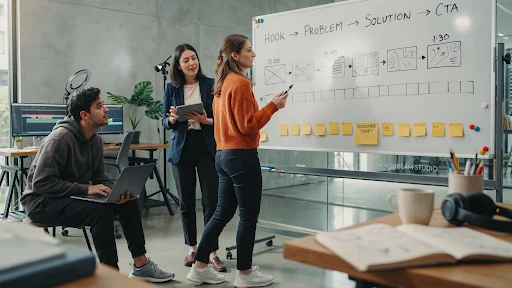
    An explainer video structure formula saves a video from turning into a moving brochure. That is the blunt version. Most weak explainers do not fail because the animation looks bad. They fail because the story wanders. The opening takes too long. The problem feels soft. The solution arrives late. The CTA sounds like it was pasted on in the last five seconds.

    A good explainer does not need a complicated structure. It needs a clean path.

    Hook.
    Problem.
    Solution.
    Proof.
    CTA.

    That is usually enough.

    Why Explainer Video Structure Matters

    A viewer decides fast.

    If the video does not make sense in the first few seconds, they are gone. Maybe not physically. They might still be watching. But mentally, they have checked out.

    That is why explainer video structure matters more than people think. It gives the viewer a reason to keep following. One idea leads to the next. No random feature dump. No slow company intro. No “we are passionate about helping businesses” opener that could belong to any brand.

    A strong explainer video script feels like someone is guiding the viewer through a problem they already recognize.

    That is what makes the structure useful. It removes the guesswork.

    The Explainer Video Structure Formula That Actually Works

    The simplest explainer video structure formula looks like this:

    Start with the hook.
    Name the problem.
    Show what happens if the problem stays.
    Introduce the solution.
    Explain how it works.
    Show the outcome.
    End with one clear action.

    That may sound basic, but it works because it follows the viewer’s attention.

    People do not care about your product first. They care about their own friction. Once you show that you understand the friction, they give you more attention. Then you earn the right to explain the solution.

    That is the core of how to structure an explainer video without overloading it.

    Step 1: Write a Hook That Sounds Like the Viewer’s Problem

    The video hook has one job. Make the viewer feel, “This is about me.”

    Do not open with your company name. Do not open with a vague industry statement. Do not open with a slow brand line that sounds nice but says nothing.

    Open with tension.

    For a SaaS product, it might be:

    “Your team is still chasing updates across five tools.”

    For a fintech app:

    “Most people do not know where their money goes until it is already gone.”

    For a healthcare platform:

    “Patients forget instructions because the appointment moves too fast.”

    That is a real hook. It starts where the viewer already feels the problem.

    A company offering explainer video services should push clients toward that kind of opening. The first line has to earn attention, not decorate the video.

    Step 2: Make the Problem Specific

    The problem section is where many videos get weak.

    They say things like:

    “Managing your business can be challenging.”

    Yes, but that means nothing. What part is challenging? Who feels it? What does it cost them?

    A better problem is concrete.

    “Your sales team spends Monday morning updating spreadsheets instead of following up with leads.”

    That works because it has a real scene. You can picture it. You can feel the wasted time.

    This is the heart of the problem solution framework. The problem should be sharp enough that the solution feels necessary. If the problem is vague, the product feels optional.

    Step 3: Do Not Stay in the Problem Too Long

    A little tension helps. Too much becomes annoying.

    The viewer already knows the problem. They do not need 40 seconds of pain. They need enough to feel understood, then they need movement.

    This is where video storytelling becomes practical. A good script does not sit in one mood for too long. It shifts.

    Problem. Pressure. Relief.

    That rhythm keeps the video moving.

    In a 60-second explainer video, the problem might only take 10 to 15 seconds. In a 90-second video, maybe 20. If the product is complex, you can take slightly longer, but do not turn the video into a complaint.

    Get to the solution before patience runs out.

    Step 4: Introduce the Solution Without Overselling It
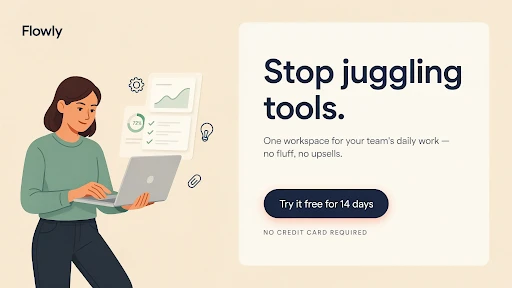
    An example of an explainer video

    The solution should feel like the natural answer to the problem.

    Bad version:

    “That is why we created the most advanced platform for modern teams.”

    Better version:

    “That is why our platform brings every update, approval, and next step into one shared view.”

    The second one explains what changes.

    That matters.

    When the solution enters, avoid the urge to sound huge. Most viewers do not need a dramatic reveal. They need a clear explanation.

    If the video is for a technical product, a 3D explainer video company may use product cutaways, system visuals, or spatial animation to show what the solution does. But the script still needs restraint. Do not say everything the visuals already show.

    Let the screen do some of the work.

    Step 5: Explain How It Works in Three Beats

    A good explainer usually needs three simple steps.

    Not seven. Not twelve.

    Three is enough for most videos.

    For example:

    Connect your tools.
    Track every update in one place.
    See what needs action before work gets stuck.

    That is simple. It gives the viewer a mental path.

    This is where a clear explainer video outline helps before production begins. If the team cannot explain the product in three beats, the video may need a narrower focus.

    A 2D explainer video company can handle these steps with icons, character scenes, UI snippets, or simple motion graphics. The key is pacing. Each beat should feel useful, not rushed.

    Step 6: Show the Outcome, Not Just the Feature

    Viewers care about what changes.

    A feature says:

    “Automated reporting.”

    An outcome says:

    “You stop building the same report by hand every Friday.”

    That is the difference.

    A strong animated explainer video should show the viewer a better version of the situation. Less confusion. Faster setup. Fewer missed tasks. Easier decisions. Clearer customer communication.

    This is especially important for the best explainer video structure for startups. Early-stage brands often want to explain everything because they are still proving themselves. That instinct is understandable, but it usually hurts the video.

    Show the outcome clearly. Let the viewer feel the practical win.

    Step 7: Add Proof Without Slowing the Video Down

    Proof does not always mean a testimonial or a statistic.

    It can be a quick product screen.
    A short customer scenario.
    A before-and-after moment.
    A recognizable workflow.
    A result the viewer can believe.

    The point is to make the solution feel real.

    For B2B products, especially software, the explainer video structure for SaaS products should include proof that the workflow actually makes sense. A clean UI moment can do more than a broad claim.

    A SaaS explainer video company may build this proof through screen-based scenes, onboarding flows, dashboard moments, or role-based examples. The best SaaS videos do not just say the product is easy. They show the user getting through one important task.

    Step 8: End With One CTA
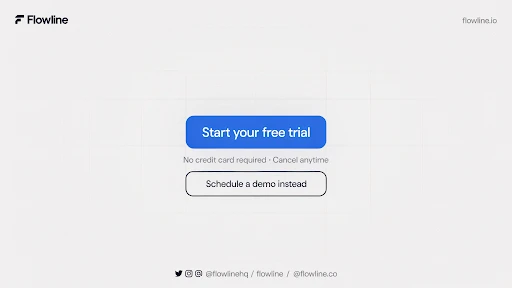
    CTA at the end of an explainer video

    The explainer video CTA should be clear and singular.

    Do not ask viewers to book a demo, download a guide, follow the brand, visit three pages, and start a trial all at once. Pick one.

    The CTA should match the stage of the viewer.

    For a homepage video:

    “Book a demo.”

    For a product education video:

    “Start with the setup guide.”

    For a sales follow-up video:

    “See the workflow in action.”

    This is also where how to write a conversion-focused explainer video becomes simple. The CTA should feel like the next step after the story, not a sudden sales push.

    If the video explained a problem well, the CTA does not need to beg.

    Frequently Asked Questions

    The best structure is hook, problem, solution, how it works, outcome, and CTA. It keeps the video focused and easy to follow.
    Most explainers work best around 60 to 90 seconds. More complex products can run longer, but only if the extra time helps the viewer understand.
    The hook should make the viewer recognize their problem quickly. It should feel specific, not like a generic opening line.
    Usually one to three key features are enough. The video should focus on the features that directly support the main problem and solution.
    A good CTA gives the viewer one clear next step, such as booking a demo, starting a trial, watching a walkthrough, or contacting the team.

    Final Words

    The explainer video structure formula is not complicated, and that is why it works. Start with a hook that sounds like the viewer’s real problem. Make the problem specific. Introduce the solution at the right time. Explain how it works in a few clean beats. Show the outcome. End with one clear CTA. 

    That structure gives the video a spine. Without it, even good animation can feel scattered. With it, the message becomes easier to follow, easier to remember, and much easier to act on.

    Related Articles:
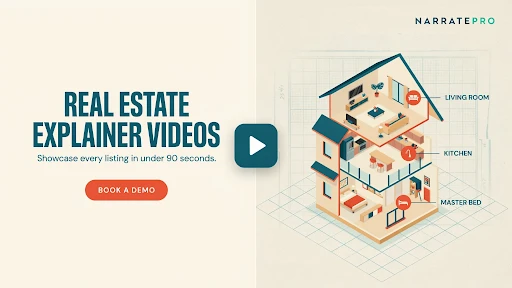
  • Real Estate Explainer Videos: What Works in 2026

    Real Estate Explainer Videos: What Works in 2026

    Real estate explainer videos work in 2026 because people want fewer surprises before they talk to an agent. Photos are fine. Drone shots are fine. But buyers, renters, and investors still ask the same practical questions. How does the layout flow? What is nearby? Is the payment plan realistic? Is this property better for living, renting, or resale?

    A good video answers those questions before the viewer loses interest.

    Not every real estate video needs to feel cinematic. Some of the best ones feel almost simple. Clear shot. Clear explanation. Clear reason to act.

    Real Estate Explainer Videos Are Not Just Pretty Property Clips

    A property video shows the space.

    An explainer tells people what the space means.

    That difference matters. A slow pan across a living room may look nice, but it does not explain why the room layout works for a young family, a remote worker, or a short-term rental buyer. A balcony shot does not explain sunlight, noise, view direction, or rental demand.

    That is where real estate video marketing needs to get more useful. The video should help the viewer decide whether the property is worth the next step.

    A good explainer video production company will not treat a condo, villa, commercial unit, and off-plan project the same way. Each one needs a different story.

    Buyers Want Context Before They Want a Tour

    A lot of property videos jump straight into the walkthrough.

    Front door. Kitchen. Bedroom. Bathroom. Balcony.

    Fine, but often flat.

    Viewers need context first. Tell them what they are watching. A two-bedroom apartment near a business district. A family home close to schools. A retail space built for foot traffic. A new development aimed at investors.

    That one sentence changes the whole video.

    This is the simple answer to how real estate explainer videos help sell properties. They stop making the viewer guess. They connect the property to a real use case.

    Virtual Tours Help, But They Do Not Explain Everything

    Virtual property tours are useful, especially when buyers are out of town or not ready to book a showing. They let people move through the space on their own.

    But there is a weakness.

    A tour can show every room and still not explain the main value. The viewer may see the kitchen, but not understand why the layout is good. They may click through the bedrooms, but not notice storage, privacy, or light.

    That is why tours work better when paired with explanation. A short voiceover, simple labels, or animated callouts can point out what matters.

    The viewer should not have to work that hard.

    Floor Plans Need Animation

    Floor plans are useful, but many buyers do not read them well.

    A flat drawing can show measurements. It does not always show flow. Where do guests enter? Is the kitchen cut off from the living room? Does the primary bedroom feel private? How far is the balcony from the main living space?

    This is where real estate animation helps.

    A 2D explainer video company can turn a flat plan into a moving guide. Show the entry path. Show room connections. Show furniture scale. Show how a buyer might actually live in the space.

    That is not decoration. That is clarity.

    Off-Plan Projects Need More Than Renders

    Off-plan buyers are buying trust, not just property.

    They cannot walk through the finished space yet. They are looking at renders, payment plans, model units, and promises. That makes the video work harder.

    3D real estate animation can help developers show what does not exist yet: exterior views, interiors, amenities, landscaping, unit flow, parking, lobby areas, and neighborhood context.

    A 3D explainer video company is useful here because off-plan projects need scale and depth. A still render can only do so much.

    Just keep it honest. If the real project will not match the video, the short-term excitement is not worth the long-term trust problem.

    Walkthrough Videos Need a Point of View

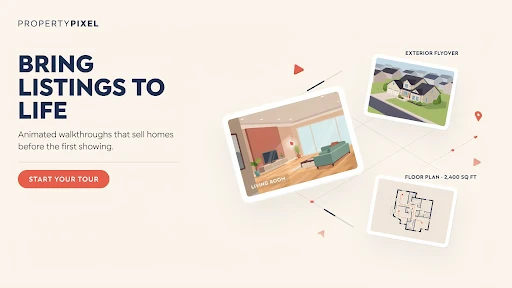
    A walkthrough video of a real estate property

    Most real estate walkthrough videos look the same.

    Someone opens a door. The camera moves slowly. The music sounds expensive. The video ends with a logo.

    That is not enough anymore.

    A walkthrough should be built around a buyer type. A first-time buyer cares about affordability and low maintenance. A family may care about storage, schools, and room separation. An investor wants rental demand, transport links, and resale logic.

    When the video speaks to one type of buyer, it feels sharper.

    Trying to speak to everyone usually makes the property sound generic.

    Listing Videos Should Be Shorter Than Agents Think

    Many property listing videos are too long.

    Buyers do not need three slow angles of the same kitchen. They need the strongest reasons to keep watching. Location. Property type. Price range if relevant. Main selling point. Next step.

    A good opening might sound like this:

    “Three-bedroom townhouse five minutes from the new retail district, built for families who want space without leaving the city.”

    That is stronger than 15 seconds of driveway footage.

    The best real estate marketing videos in 2026 will feel more direct. Less mood. More meaning.

    Developers Need Smaller Supporting Videos

    Real estate explainer videos for property developers should not rely on one master video to explain everything.

    A development has too many moving parts. Location. Amenities. Unit mix. Payment plan. Build timeline. Rental angle. Lifestyle. Handover. Investment value.

    Put all of that into one video, and it gets heavy fast.

    A better setup is simple:

    One main project video.
    One location video.
    One floor plan video.
    One payment-plan explainer.
    One short investment angle clip.

    That gives sales teams more useful material. It also lets buyers watch what matters to them.

    PropTech Needs Explainers Too

    Real estate is not only agents and developers now.

    There are CRMs, tenant portals, mortgage platforms, booking tools, property management dashboards, investment apps, and listing software. Most of them are harder to explain than the teams behind them think.

    A SaaS explainer video company can help PropTech brands show workflows from the user’s side.

    An agent wants better lead follow-up.
    A property manager wants fewer tenant calls.
    An investor wants cleaner numbers.
    A landlord wants fewer manual tasks.

    One generic product demo will not satisfy all of them.

    Animation Should Explain What Cameras Cannot

    Using animation in real estate marketing videos makes sense when the camera cannot explain the point quickly.

    Use it for maps, nearby landmarks, travel times, amenity labels, payment steps, floor plan flow, construction timelines, neighborhood growth, or rental income examples.

    Do not animate every corner of the screen.

    Real estate still needs real presence. Show the actual space when you can. Use animation to make the important parts easier to notice.

    That balance is what keeps a video helpful instead of noisy.

    Lead Generation Needs Better Questions

    Real estate lead generation does not improve just because a video gets views.

    A better question is: did the video move the right viewer closer to action?

    Did someone book a tour?
    Ask for pricing?
    Download the brochure?
    Join the launch list?
    Message the agent?

    That is why a proper real estate video strategy matters. A social teaser, listing explainer, neighborhood video, and investor breakdown should not all do the same job.

    Each video needs one purpose.

    Best Real Estate Explainer Videos for Agents

    Another example of a real estate video

    The best real estate explainer videos for agents often answer questions agents already hear every week.

    For buyers:
    How does pre-approval work?
    What happens after an offer?
    What are closing costs?
    How does inspection work?

    For sellers:
    How should we prepare the home?
    Why does pricing matter so much?
    What happens before listing?
    How do showings work?

    These videos build trust before the first call. They also save agents from repeating the same explanation over and over.

    Real Estate Video Ideas for 2026

    Here are practical real estate video ideas for 2026 worth using:

    A 60-second listing explainer.
    A neighborhood value video.
    A floor plan walkthrough.
    A payment plan explainer.
    A first-time buyer guide.
    A seller prep video.
    An off-plan project overview.
    A rental income breakdown.
    A property management explainer.
    A short FAQ series for social media.

    The best idea is usually the one that answers a question your buyers already keep asking.

    Frequently Asked Questions

    Real estate explainer films are brief videos that visually demonstrate a property, development, real estate service, buyer process, selling process, or PropTech product. 
    They assist purchasers in understanding the property’s layout, location, cost, procedure, or investment value before speaking with an agent or scheduling a visit. 
    Yes. 3D videos are ideal for off-plan developments, luxury residences, architecture, interior previews, and projects that require customers to visualize the finished area. 
    Agents should produce listing explainers, neighborhood movies, buyer education films, seller preparation videos, market update clips, and brief FAQ videos. 
    Most listing and social videos should be around 90 seconds long. Project explainers might be lengthier if customers want additional information.

    Final Words

    Real estate explainer videos work in 2026 when they make property decisions easier. Buyers do not only want attractive shots. They demand layout clarity, geographical context, pricing recommendations, investment rationale, and an incentive to act. Agents, developers, and PropTech businesses may utilize explainer films to reduce misunderstanding and attract more quality prospects. 

    The best videos aren’t usually the most spectacular. They are the ones who explain the correct thing at the appropriate time.

    Related Articles:
  • Explainer Videos for Healthcare: Educating Patients

    Explainer Videos for Healthcare: Educating Patients

    Healthcare explainer video marketing works best when it answers the question a patient is too stressed, embarrassed, or rushed to ask. What happens during this test? Do I need to prepare? Is this normal after treatment? How do I use this portal? What does this device actually do?

    That is the real job. Not making healthcare content look fancy. Not turning a clinic into a commercial. Just making the next step easier to understand.

    A good healthcare explainer gives patients something they can replay later, when they are calmer and not trying to remember every word from a short appointment.

    Healthcare Explainer Video Marketing Should Start With Real Patient Worries

    Healthcare content often starts with the provider.

    The service. The equipment. The credentials. The treatment name.

    Patients usually start somewhere else. They want to know what the experience will be like. They want to know what to do before they come. They want to know what happens next. They may desire simple confirmation that they are not overlooking anything apparent. 

    That is why healthcare explainer videos can be useful. They take one confusing moment and make it easier to follow.

    A strong explainer video company should not treat healthcare like a normal sales category. The tone has to be steadier. The script needs fewer big claims. The visuals should support the patient, not overwhelm them.

    Nobody Wants to Decode Medical Language

    A patient may nod during a consultation and still leave confused.

    That does not mean the doctor explained it badly. It often means the patient was nervous, tired, or trying to process too much at once. Medical instructions can feel simple to staff and still feel heavy to the person hearing them for the first time.

    This is where patient education videos help.

    A short video can walk through one topic slowly. One appointment. One prep step. One aftercare routine. One device. One portal action.

    That is the most practical answer to how explainer videos educate patients. They give people a second chance to understand the information without pressure.

    Animation Shows the Parts Cameras Cannot

    Some healthcare topics just do not work well with live footage.

    You can film a physician speaking. You can film someone checking in at reception. You can film a product being held. But you cannot easily film how medication moves through the body, what happens inside a joint, or how a device works beneath the surface.

    That is where medical animation videos make the explanation cleaner.

    Animation can remove visual clutter. It can zoom in. It can slow the process down. It can label what matters and leave out what does not.

    For anatomy, implants, internal movement, diagnostics, and treatment processes, a 3D explainer video company can make a difficult subject easier to picture. The point is not to impress patients with detail. The point is to show only the details they actually need.

    Some Healthcare Topics Need a Softer Look

    Not every medical video needs 3D anatomy.

    A video about therapy intake, appointment booking, insurance steps, telehealth setup, or discharge instructions may work better with simple 2D visuals. A 2D explainer video company can use calm characters, icons, and clean scenes to make the topic feel less clinical.

    That matters.

    A patient watching a video about mental health support does not need harsh visuals. A parent learning how to prepare a child for a visit does not need technical diagrams. They need clarity and a tone that feels safe.

    This is where healthcare animation works well. It can make serious information easier to approach without making it feel childish.

    Good Healthcare Video Marketing Reduces Repeat Confusion

    A lot of confusion happens outside the exam room.

    Before the visit, people forget how to prepare. After the visit, they forget what they were told. At home, they may not remember which symptom is normal and which one needs a call.

    Good healthcare video marketing can support those moments.

    A clinic can send a prep video before an imaging appointment. A hospital can use a short discharge video for common aftercare steps. A specialist can explain what happens during a first consultation. A telehealth provider can show patients how to upload documents or join a call.

    These videos do not need to be big productions. They need to answer the question at the right time.

    That is better healthcare communication. No more information. Better-timed information.

    Medical Device Videos Need to Speak to People, Not Just Specs

    Medical device explainer videos can become too technical very quickly.

    That is usually because the company wants to show every feature. Patients and providers may not need that at first. They need to understand the problem, the use, and the value.

    A strong medical explainer video should start with the human problem. What is difficult right now? What does the device make easier, safer, clearer, or more manageable?

    Then show the device in use.

    For patients, the focus may be comfort, safety, or confidence. For providers, it may be workflow, accuracy, setup, or training. Those are different needs. Trying to fit all of them into one video often makes the message weaker.

    Sometimes the smartest move is to make separate versions.

    Healthcare SaaS Needs Different Videos for Different Users

    Healthtech platforms are not always as obvious as product teams think they are.

    A patient portal may seem simple internally. The patient still may not know where to log in, how to book, how to upload documents, or where results appear. A remote monitoring platform may help nurses, doctors, admin teams, and patients in completely different ways.

    A SaaS explainer video company can help split those messages.

    One video for patients.

    One for providers.

    One for admin teams.

    One for onboarding.

    That is much cleaner than forcing everyone into the same long demo.

    This is also why healthcare explainer videos for hospitals and clinics can do more than market a service. They can make systems easier to use.

    Patient Engagement Starts With Understanding

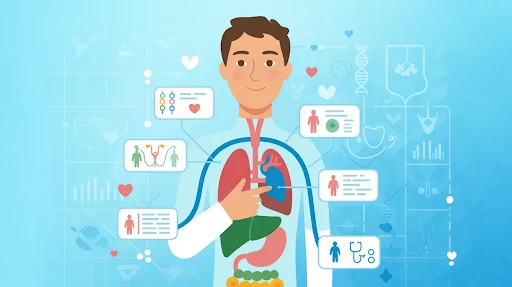
    Understanding medical concepts with explainer videos

    People talk about patient engagement as if it is only about apps, reminders, or portals.

    It starts earlier than that.

    A patient who understands the next step is more likely to follow it. A patient who can replay instructions is less likely to rely on memory. A family member who watches the same video can help support care at home.

    Short videos usually work best here.

    One video for preparation.

    One video for the visit.

    One video for aftercare.

    That is easier to use than one long video trying to explain everything.

    Complex Procedures Need a Careful Script

    Medical explainer videos for complex procedures should never feel rushed.

    The script has to be plain, but still accurate. The visuals should explain, not scare. The final video should be reviewed by qualified medical professionals before it goes live.

    A safe structure is usually:

    • What the procedure is
    • Why it may be recommended
    • How to prepare
    • What usually happens
    • What recovery may involve
    • When to contact the care team

    That gives patients a clear path. It does not pretend that one video can answer every personal medical question.

    Healthcare videos should educate. They should not diagnose.

    What Makes a Healthcare Explainer Work?

    The benefits of explainer videos in healthcare marketing show up when the video focuses on one real patient question.

    Not the entire service line.

    Not the full clinic story.

    Not every possible benefit.

    One topic. One answer. One clear next step.

    The wording should sound human. The tone should stay calm. The visuals should make the message easier to follow. And the video should avoid fear, pressure, and exaggerated claims.

    Patients do not need a performance. They need help understanding what comes next.

    Hospitals and Clinics Should Keep the Video Useful

    Hospital marketing videos do not need to feel dramatic.

    A simple doctor introduction can work. A short animated guide to a screening can work. A calm check-in walkthrough can work. A discharge video that patients can replay at home can work.

    Healthcare already carries enough stress. The video should not add more.

    Help first. Promote second.

    Frequently Asked Questions

    Healthcare explainer video marketing makes use of short instructional movies to explain medical services, procedures, gadgets, healthtech tools, and patient instructions in simple language. 
    They help patients understand what to expect, how to prepare, what steps to follow, and what questions to ask their care team.
    Animated movies for patient education may easily explain anatomy, instruments, procedures, and care processes, particularly when live footage is insufficient or unpleasant. 
    Videos may be used by hospitals and clinics to prepare appointments, explain services, give discharge instructions, create patient portals, train personnel, and provide follow-up care. 
    Yes. Any film that describes medical care, symptoms, treatment processes, procedures, or device use should be evaluated by trained healthcare experts before publication. 

    Final Words

    Healthcare explainer video marketing is effective when it makes healthcare appear less complex. Patients may be nervous, preoccupied, weary, or attempting to aid someone they care about. A decent video offers people a better idea of what comes next. 

    It helps doctors, clinics, hospitals, medical device manufacturers, and healthtech teams by transforming complex information into something that people can utilize. The most effective healthcare explainers aren’t glamorous. They are calm, factual, practical, and based on the patient’s actual questions. 

    Related Articles:

  • Mixed Media Explainer Videos: Blending Animation With Live Action for Higher Conversions

    Mixed Media Explainer Videos: Blending Animation With Live Action for Higher Conversions

    A live action animation explainer video can work really well when a brand has two problems at once. The product needs to feel real, but the explanation needs help. That is exactly where plain live footage can fall short. 

    A person talking on camera may build trust, sure, but they cannot easily show invisible workflows, data movement, app logic, or technical product details. Animation fills that gap.

    So no, mixed media is not just a “cool style.” Used properly, it is a practical way to stop viewers from guessing what your product actually does.

    What a Live Action Animation Explainer Video Actually Does

    A live action animation explainer video mixes filmed footage with animation. That could mean a founder speaking on camera while icons appear around them. It could be a customer using a product while animated callouts explain what is happening. Or it could be a software demo where real footage, UI animation, and simple graphics all work together.

    That is the basic idea behind a mixed media explainer video.

    The live-action side gives the viewer something grounded. A face. A product. A real setting. The animation then explains the pieces that the footage cannot show clearly.

    A good explainer video company should not add graphics just to fill the screen. Every visual layer needs a job. If it does not clarify, highlight, or move the story forward, it probably does not belong.

    Why Plain Live Action Often Is Not Enough

    Live action is good at trust. It shows real people and real environments. That helps, especially if the brand needs to feel human.

    But it has limits.

    Try filming how a cloud platform saves time across three departments. Try filming how a payment flow protects customer data. Try filming the “before and after” of a messy internal workflow without making it look like a fake office scene.

    That is where live action and animation start to make sense together. The footage creates context. The animation makes the idea readable.

    You are not asking the viewer to imagine the value. You are showing it.

    The Real Benefits of the Mixed Format

    The biggest benefits of live action animation explainer videos are not about making the video look expensive. They are about making the message easier to believe and easier to follow.

    Live footage helps with credibility. Animation helps with clarity. Together, they can make a product feel more understandable without stripping away the human side.

    This is useful when the product is:

    • hard to explain in one sentence
    • too abstract for simple filming
    • too personal for full animation
    • too technical for a basic talking-head video
    • too important to leave unclear

    That is why the format works well for healthcare, finance, SaaS, training, product demos, and service-based brands.

    When Mixed Media Is the Right Call

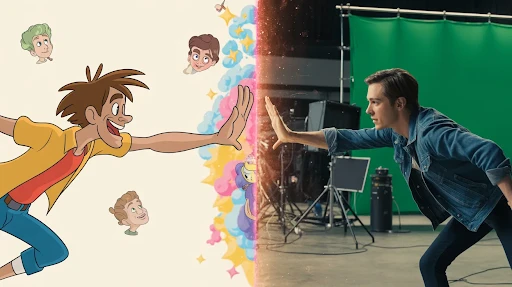
    An example of mixed media

    The question is not whether mixed media looks good. The question is whether it solves a real communication problem.

    When to use mixed media explainer videos is usually clear once you look at the message. If the audience needs to see a real person or product, live action matters. If they also need diagrams, UI movement, data visuals, or visual shortcuts, animation matters too.

    A basic talking-head video may work for a quick update. A fully animated piece may work for a simple service explanation. But when the buyer needs both trust and clarity, a hybrid explainer video can do more.

    One example: a cybersecurity company films a team member explaining the risk. The animated overlays show how the threat moves through a system. The viewer gets the human authority and the technical breakdown in the same video.

    That is the point.

    SaaS Products Are a Strong Fit

    A mixed media explainer video for SaaS products can be especially useful because software is not easy to film.

    You can show a person using a laptop, but that does not explain the platform. You can show screens, but too many screen recordings get dull fast. Mixed media gives you a middle path.

    A SaaS explainer video company might combine a short presenter clip, screen captures, animated cursor paths, interface zooms, motion graphics, and quick callouts. Done well, the video feels guided instead of crowded.

    This works for onboarding, feature launches, sales pages, product demos, and help-center content.

    The mistake is trying to show the entire platform. Do not do that. Pick one painful workflow and explain that properly.

    2D Can Keep Things Clean

    Not every mixed media video needs big visual effects.

    A 2D explainer video company can bring a lot of clarity with simple graphics, icons, animated scenes, charts, and text callouts. This is often enough for apps, services, customer journeys, and process-based videos.

    Say a logistics company films real warehouse footage. The 2D animation shows shipment flow, delays, route changes, and delivery updates. That makes the video useful without turning it into a heavy production.

    2D works best when the idea needs structure. It can simplify without making the video feel cold.

    3D Helps When the Product Needs Depth

    Some products need more than flat graphics.

    If the product has parts, layers, scale, motion, or internal mechanics, a 3D explainer video company can make the mixed media format much stronger. Live footage can show the product in use. 3D can show what happens inside it.

    This works for medical devices, machinery, hardware, architecture, industrial tools, equipment, and technical products.

    A filmed hand holding a device builds trust. A 3D cutaway showing how it works builds understanding. Together, they can make a product demo video feel more complete.

    Use 3D when depth matters. Do not use it just because it sounds premium.

    How to Combine Both Without Making a Mess

    A combination of live-action and animation

    The key is planning.

    Too many teams film first and think about animation later. That is how mixed media starts looking patched together. The footage has no space for graphics. The camera angle fights the animation. The edit feels like two separate videos glued into one.

    If you want to know how to combine live action and animation in explainer videos, start with the script.

    Mark the lines that need real footage. Mark the lines that need animation. Leave visual space in the frame. Plan where the text will sit. Decide where the viewer’s eye should go.

    Good mixed media feels intentional. Bad mixed media feels like someone added moving graphics because the footage was boring.

    Why It Can Help Conversions

    Here is how mixed media videos improve conversions: they reduce doubt.

    People do not convert because a video has nice transitions. They convert when they understand the offer, trust the company, and feel confident about the next step.

    Mixed media can help with all three.

    The real footage makes the brand feel less faceless. The animation makes the message easier to follow. The visual rhythm keeps people from dropping off too early.

    That is why conversion-focused videos need more than style. They need a clear path.

    Problem. Explanation. Proof. Next step.

    If the video skips that structure, the visuals will not save it.

    Where Motion Graphics Fit

    Motion graphics are often the glue in mixed media videos.

    They can highlight numbers, label product parts, show steps, add arrows, bring UI screens to life, or turn a dull explanation into something easier to track.

    But use them carefully. Too many graphics can make the video feel noisy. If everything is moving, nothing feels important.

    Good motion graphics guide the viewer. Bad motion graphics beg for attention.

    There is a difference.

    What to Avoid

    Do not make the live-action part fake.

    Bad office acting, forced smiles, fake customer scenes, and generic stock footage can hurt the whole video. If the footage feels staged, the animation will not rescue it.

    Do not over-explain either. A mixed media video still needs restraint. One clean idea is better than five half-explained ones.

    A brand storytelling video should feel like it knows why it exists. If the story is only “we are great,” the format does not matter. People have heard that already.

    Give the viewer a real reason to care.

    Frequently Asked Questions

    A mixed media explainer video combines live-action footage with animation, text, icons, UI visuals, motion graphics, or other design elements to explain an idea more clearly.
    Yes, when they are planned well. Live action builds trust, while animation makes hard ideas easier to understand. That combination can help buyers feel more confident.
    Use mixed media when real people, products, or settings matter, but the message still needs animated support to explain details clearly.
    Yes. SaaS brands can combine presenter footage, screen recordings, UI animation, callouts, and motion graphics to make software easier to follow.
    Planning. The live footage and animation should be designed together from the start. If animation is added later as a patch, the video usually feels forced.

    Final Words

    A live action animation explainer video works best when the brand needs trust and clarity in the same piece. Live footage gives the viewer something real to connect with. Animation explains the parts that are hard to film. 

    Together, they can make products easier to understand, reduce confusion, and support video marketing conversions without making the content feel like a boring demo. The key is control. Plan the mix early, keep the message tight, and make every visual earn its place.

    Related Articles:

  • AI Explainer Video Creation: Useful Tool or Shortcut Trap?

    AI Explainer Video Creation: Useful Tool or Shortcut Trap?

    AI explainer video creation is beneficial, but only if businesses stop considering it as a magic button. It allows you to draft quicker, test ideas sooner, generate preliminary images, experiment with voice-overs, and trim films into smaller versions without slowing down the entire team. That’s actually useful. 

    But here is the catch. AI can produce a video-looking thing pretty quickly. That does not mean the message is good. It does not mean the buyer cares. It does not mean the story is clear.

    That is where brands still need a brain behind the tool.

    What AI Explainer Video Creation Really Means

    AI explainer video creation means using AI tools to help make parts of an explainer video. Sometimes that means writing a rough script. Sometimes it means building a storyboard, matching visuals, creating a draft voiceover, adding captions, editing clips, or turning one video into several shorter cuts.

    It does not always mean the whole video is made by AI from beginning to end.

    That is the better way to think about it. AI is not always the creator. Often, it is the assistant sitting next to the creator.

    A good explainer video production company can use these tools to move faster, but the real job stays the same. Make the message clear. Keep the viewer interested. Say something the buyer actually needs to hear.

    AI can speed up the work. It cannot decide the strategy for you.

    Why Brands Are Using AI in Video Now

    The pressure is simple. Teams need more video than before.

    A product update needs a quick walkthrough. Sales wants a shorter clip for follow-up emails. Marketing needs a homepage video, then a social cut, then a vertical version, then a paid ad. Internal teams want training content. SaaS teams need onboarding videos after every major feature release.

    That is a lot.

    This is why AI video production is getting attention. It helps teams get a first version faster. Not perfect. Not always ready to publish. But enough to react to.

    That matters because the blank page is often the slowest part of any video project.

    The danger is obvious, too. If it becomes easy to make more videos, teams may start making more forgettable videos. Speed is only useful when the idea is still strong.

    Scripts Can Start With AI, but They Need Editing

    Automated script generation is one of the most useful parts of the whole thing.

    You can paste in a product description, a messy brief, or a landing page, and the tool will give you a script outline. That is helpful. It gives the team something to argue with, fix, cut, and improve.

    But most AI-generated video scripts have the same problem. They sound fine at first glance. Then you read them again and realize they could belong to almost any company.

    Too clean. Too safe. Too general.

    A proper explainer script needs more friction than that. It should know the customer’s problem. It should start faster. It should avoid lines that sound nice but say nothing. It should feel like someone actually understands the product and the person watching.

    AI can give you a draft. A writer still has to make it sharper.

    Character Animation Is Easier to Test Now

    Animators working on character animation

    AI-powered character animation can help teams test scenes more quickly.

    That is a real benefit. A brand can mock up a character, try a motion style, or see how a scene might play before spending time on full animation. For early concepts, this can save a lot of back-and-forth.

    But movement alone is not the same as performance.

    A character can wave, walk, smile, and still feel empty. The small choices matter. Timing. Pause. Expression. How the body reacts to the voiceover. How the scene breathes.

    That is why a 2D explainer video company still has a role. Good 2D animation is not just about making things move. It is about making the movement feel intentional.

    AI gets you closer to a rough idea. Direction makes it watchable.

    AI Voices Are Better, but Not Always Better Enough

    AI voice tools have improved fast. Voice synthesis can currently provide competent narration in a variety of tones, accents, and languages. This is great for drafts, internal explainers, and early testing. 

    It is also helpful when a team wants to hear a script before booking a voice actor.

    But voice is one of those details people feel more than they analyze. If the narration sounds a little flat, the whole video starts to feel cheaper. The viewer may not say, “That voice is synthetic.” They may just stop trusting the piece a bit.

    For low-stakes videos, an AI voice can work. For important customer-facing videos, a human voice still often feels warmer and more believable.

    Use the shortcut where it makes sense. Do not use it where trust matters most.

    Visual Matching Saves Time, but It Can Look Obvious

    Automated visual selection sounds great on paper. The tool reads the script and pulls visuals that match the words.

    For rough drafts, this is useful. It helps you see how a video might feel without building every frame from scratch.

    The problem is that AI often picks the most obvious option.

    Growth becomes an arrow.

    Teamwork becomes people in a meeting.

    Security becomes a lock icon.

    Innovation becomes blue glowing lines.

    You have seen these visuals before. So has everyone else.

    For simple videos, that may be fine. For more technical products, it usually is not enough. A 3D explainer video company may need to create custom scenes, product details, internal views, or spatial movement that a generic library cannot provide.

    AI can suggest a visual. It cannot always tell when the visual feels tired.

    Editing Is Probably the Most Practical AI Use

    This is where AI feels genuinely useful for busy teams.

    Real-time video editing tools can trim pauses, add captions, clean audio, resize clips, suggest cuts, and turn one longer video into multiple shorter versions.

    That saves time.

    A single explainer may serve as a sales clip, a product-page cut, a vertical social video, a short commercial, or an internal training snippet. That type of repurposing used to take a lot longer. 

    Still, editing is not just cutting things faster. A good editor knows what to leave in. Sometimes the pause matters. Sometimes the extra second makes the idea land. Sometimes, the cleanest cut is not the best cut.

    AI can make versions. A person has to choose the one that works.

    Generative AI Needs a Better Brief Than Most Teams Give It

    A person giving a brief to a generative AI software

    Generative AI performs better when the brief is specific. That sounds obvious, but it is where many teams mess up.

    They write a vague prompt, get a vague result, and then complain that the tool feels generic.

    The tool is not reading your mind.

    A better brief should answer real questions:

    • Who is watching?
    • What do they already know?
    • What are they confused about?
    • What should they do after the video?
    • What tone should the video avoid?
    • What proof does the message need?

    For software brands, a SaaS explainer video company can use AI to test more versions, faster. But the product story still needs to be clear first. Otherwise, every draft will just be a slightly different version of the same unclear idea.

    The better the input, the less generic the output.

    AI Is Changing the Workflow, Not Removing the Work

    The old video process was usually slow and straightforward. Brief, script, storyboard, design, voiceover, animation, editing, revisions.

    AI is making production workflows more flexible.

    You can test three script angles before choosing one. You can hear draft voice-overs early. You can preview rough visuals before design starts. You can create cutdowns without rebuilding the whole project.

    That is a good thing.

    But a faster workflow does not remove decision-making. It makes decision-making more important. When everything moves quickly, weak ideas can spread quickly, too.

    Someone still needs to stop and say, “This does not sound like us,” or “This part is boring,” or “The buyer will not understand this.”

    That is not a tool problem. That is a judgment problem.

    Frequently Asked Questions

    AI explainer video creation means using AI tools to help write, design, voice, edit, or produce explainer videos faster.
    Yes, certain technologies can generate a rough, complete video from a prompt or script. Brand-ready work frequently requires human editing and creative supervision.
    Yes, particularly for drafts, internal movies, social media clips, rapid product updates, and early testing. Larger customer-facing films require adequate preparation.
    They can work on drafts and low-stakes content. For important customer-facing videos, a human voice often feels more natural and trustworthy.
    No. AI will change how teams work, but brands still need strategy, storytelling, design judgment, and quality control.

    Final Words

    AI explainer video creation is worth using when it helps teams move faster without making the message weaker. It can handle scripts, voice testing, graphic drafts, editing, captioning, and cutdowns. It may let companies test concepts before investing additional time and money. However, it is not a substitute for sound strategy, great writing, or creative judgment. 

    The best outcomes are achieved when AI performs the initial lift while humans refine the final message into something particular, informative, and worth viewing.

    Related Articles:

  • SaaS Marketing Videos That Made Complex Software Easier to Sell

    SaaS Marketing Videos That Made Complex Software Easier to Sell

    SaaS marketing videos matter because software buyers do not have time to decode a product from a crowded homepage. They want to know what the tool does, who it helps, and why it is worth trying. If the product sounds confusing, they move on. 

    That is harsh, but it is true. A good video gives the buyer a faster way into the product without forcing them through a wall of feature copy.

    That is why software brands use video so often. A strong clip can explain the workflow, show the interface, and make the product feel less abstract.

    Why SaaS Marketing Videos Work So Well

    Most SaaS products are not hard to use after someone understands them. The hard part is getting them to that first clear moment.

    That is where SaaS explainer videos help. They take the product out of internal language and turn it into something a buyer can follow. Instead of listing ten features, the video can show one painful problem and how the software changes it.

    This is especially useful for B2B tools. Buyers need clarity, but they also need confidence. Good B2B SaaS product videos help both. They explain the product and make the company look more prepared.

    1. Zenoti Shows How 2D Characters Can Simplify a Niche Product

    Zenoti’s video works because it understands its audience. Salon and spa owners do not need a dry feature list. They need to see how the platform helps keep bookings full and daily operations under control.

    The use of simple 2D characters makes the idea easy to enter. The spa owner and AI sidekick give the video a light, approachable tone while still explaining the product.

    This is a good lesson for any explainer video production company working on niche software. If the audience is specific, the story should feel specific too. The more the buyer recognizes themselves, the faster the video works.

    2. Webflow Turns No-Code Into a Visual Breakthrough

    Webflow’s video is a strong example of using visual metaphor instead of overexplaining.

    No-code software can sound technical if you describe it badly. Webflow solves that by showing the frustration of being blocked by code, then shifting into a brighter, more open visual world. That change helps the viewer feel the benefit before every detail is explained.

    This is where SaaS video animation can do more than decorate the message. It can show the “before and after” in a way that sticks.

    A good metaphor often explains faster than another paragraph of copy.

    3. Google Workspace Uses Feature Demos Without Making Them Dull

    Google Workspace keeps the video focused on new AI features, which is the right move. The video does not try to explain the entire product family. It shows useful changes in a clean, fast way.

    The mix of kinetic text and screen-based visuals helps guide attention. Viewers can see the feature, the action, and the result without needing a long setup.

    That is what good SaaS demo videos should do. Show the product in motion, but do not drown the viewer in every possible click.

    For feature launches, this kind of structure is often better than a broad brand video.

    4. Scuba Analytics Makes Data Feel Less Abstract

    Scuba Analytics has a harder job because data tools can get vague quickly.

    The underwater theme gives the product a visual world. Data becomes something to explore, not just something to analyze. The use of 3D sheets, flowing movement, and an octopus guide makes the concept more watchable.

    This is where a 3D explainer video company can add real value. When the subject is abstract, depth and movement can make the product feel more concrete.

    The lesson is not “use underwater visuals.” The lesson is to give complex information a visual anchor.

    5. Mailchimp Makes a Brand Initiative Feel Human

    Mailchimp’s “Big Change Starts Small” video is not a standard product walkthrough. It is more values-led, which makes sense for the message.

    The hand-drawn characters give the video personality. The style feels odd in a deliberate way, and that helps the initiative feel more human than a polished corporate announcement.

    This is a useful reminder for SaaS video production. Not every SaaS video has to push features. Some videos build trust by showing what the brand stands for.

    When a company has a purpose-led story, the visuals should feel personal, not sterile.

    6. Amperity Uses Shapes to Make Data Chaos Visible

    Amperity’s video works because it turns a messy idea into something the viewer can see.

    Customer data chaos is not easy to picture. Cubes, cylinders, patterns, and movement give the problem shape. The viewer sees scattered information become more organized. That makes the value easier to understand.

    This is one of those cases where animated SaaS demo videos do not need characters. Abstract shapes can be enough if they are tied tightly to the message.

    For data platforms, less literal storytelling can sometimes be the smarter choice.

    7. GitHub Uses Humor Without Losing the Product

    GitHub’s video stands out because it understands developer culture. The humor does not feel random. It comes from the world the audience already knows.

    That matters.

    The video moves between live action, 2D explanation, product logic, and more dimensional scenes. That mix keeps the topic from feeling flat while still explaining who GitHub is for.

    A 2D explainer video company can learn from this approach too. Humor works best when it comes from audience truth, not from jokes pasted onto the script.

    If the buyer feels “this was made by people who understand us,” the video has already done half the work.

    8. Asana Keeps the Feature Story Simple

    Asana’s Timeline video is a clean example of a focused product marketing video.

    It does not try to sell the whole platform. It introduces one feature and shows why it matters. The simple characters and large colorful blocks make project planning feel visual and easier to manage.

    That focus is the strength.

    A lot of software advertising videos fail because they try to say too much. Asana keeps the point narrow, which makes the result easier to remember.

    For feature videos, one clear use case usually beats a full platform tour.

    9. G Suite Shows How Typography Can Guide the Viewer

    G Suite’s retail-focused video uses typography, cursor movement, screen moments, and clean color cues to explain collaboration.

    The best part is that the visuals do not fight the message. Text, interface, and motion all guide the viewer through the product’s value.

    This is a useful format for teams that need a simple product overview video without making the video feel too heavy. It can show workflow, collaboration, and feature use without requiring a big character story.

    Typography works well when the message needs structure and speed.

    10. Microsoft 365 Shows the Value of a Mixed Format

    Microsoft 365 uses a broader mix: live action, interface views, motion graphics, 2D moments, and 3D-style screens. That makes sense because the product covers a lot.

    The video sells the idea of working more freely, not just using a set of apps. That is important. A tool suite can easily become a boring list. This video gives the product a bigger reason to matter.

    A SaaS explainer video company can take a simple lesson from this: when the product has multiple tools, do not treat every feature equally. Build a clear thread that connects them.

    What These SaaS Videos Teach

    These examples show that there is no single best style for SaaS.

    Zenoti uses characters. Webflow uses a metaphor. Google Workspace uses clean feature demos. Scuba Analytics uses visual immersion. Mailchimp leans into brand personality. Amperity simplifies data with shapes. GitHub uses humor. Asana focuses on one feature. G Suite uses typography. Microsoft 365 blends formats.

    The best choice depends on the product’s problem.

    If users are confused, simplify.

    If the product feels abstract, give it a visual metaphor.

    If the feature is new, show it clearly.

    If adoption is hard, create SaaS onboarding videos that walk people through the first steps.

    That is how video becomes useful instead of decorative.

    Frequently Asked Questions

    SaaS marketing videos are videos made to explain, promote, or support a software product. They can be used for awareness, product demos, feature launches, onboarding, and sales.
    It should explain the product clearly, focus on one main problem, show the value fast, and avoid stuffing the video with too many features.
    They are not a replacement for product pages, but they can explain workflows faster. A good demo video helps buyers see how the software actually works.
    It depends on the product. 2D works well for simple explanations, 3D helps with abstract or technical products, and screencast-style videos work well for feature demos.
    Most SaaS videos work best when they stay focused. A short explainer can be around 60 to 90 seconds, while a deeper product demo can run longer if the viewer needs detail.

    Final Words

    The best SaaS marketing videos make software feel easier to understand, easier to trust, and easier to try. They do not overwhelm buyers with every feature. They choose one clear story and use the right visual style to support it. Some products need characters. 

    Some need screen demos. Some need 3D depth, humor, typography, or a mixed-media approach. The goal stays the same: help the buyer understand the value before they lose interest.

    Related Articles:

  • Corporate Media Production: What It Is and Why It Matters

    Corporate Media Production: What It Is and Why It Matters

    Corporate media production is not just about making a nice company video. It is about developing media that assists a company in explaining something, training a team, selling a service, recruiting better individuals, or making the brand easier to trust.

    This might be a homepage video, a customer anecdote, a training clip, a product walkthrough, or a brief internal update.

    The trouble starts when a company says, “We need a video,” but no one asks why.

    That is how projects get bloated. The script tries to say too much. The visuals look fine, but do not help. The final file gets posted once and then disappears into a folder.

    A good corporate video starts with a job.

    What Is Corporate Video Production?

    Let’s answer it plainly: what is corporate video production?

    It is the planning, writing, filming, editing, animation, and delivery of video made for a business purpose. In simple terms, it is the creation of video content that helps a company communicate better.

    That purpose can change from project to project. One video might explain a product. Another might train new employees. Another might help sales calls move faster. Another might show job candidates what the workplace is like.

    If the message is hard to explain, an explainer video company can help turn it into something clearer. Not just prettier. Clearer. That is the part companies often need most.

    Corporate Media Production Needs a Job First

    Good corporate media production starts with a boring but important question.

    What should this video do?

    Not what it should look like. Not what song should it use. Not whether it should feel bold or modern.

    Those choices come later.

    A video for a recruiting website requires a different tone than a product explanation. A training video shouldn’t sound like a sales pitch. A testimonial should not read like a polished brand speech with a consumer at the center. 

    This is why a video marketing strategy matters. The video should fit somewhere. A landing page. A sales email. A campaign. A training portal. A recruitment funnel. If no one knows where the video belongs, it usually gets wasted.

    Why Businesses Use Corporate Videos

    The benefits of corporate video are pretty straightforward.

    A video can explain faster than a long page of text. It can show a face, a tone, a process, or a result. It can help a sales team stop repeating the same explanation on every call. It can help employees learn something in the same way instead of hearing five different versions of it.

    It also makes a business feel more real. That matters. People trust people before they trust polished claims.

    But video is not magic. A weak video still gets ignored. A vague video still confuses people. A video with no real point still feels like filler.

    The value comes from making the right thing easier to understand.

    When a Simple Video Is Enough

    Not every project needs a crew, a scriptwriter, animation, and weeks of editing.

    Sometimes basic video creation is fine. A short leadership message. A quick screen recording. A simple internal update. A rough training note for a team that already understands the context.

    Simple can work when the stakes are low.

    But simple is not the same as careless.

    If the video is appearing on your homepage, promoting sales, presenting a high-value offer, or speaking to potential investors, poor sound and editing may make the entire organization feel unprepared. Viewers may not name the problem, but they feel it.

    So yes, use a simple video when it fits. Just do not use it where trust is on the line.

    When Professional Production Makes Sense

    Professional-level media production

    Professional corporate video production makes sense when the video has to carry real weight.

    That does not mean the final piece has to feel overproduced. It means the message needs a proper shape. The sound should be clean. The edit should move well. The opening should not waste time. The viewer should understand what is happening without working too hard.

    Good production is often invisible. You notice the message, not the effort behind it.

    That is the quiet advantage of professionally produced videos. They usually feel more confident because someone has made hard choices. What to keep. What to cut. Where the proof belongs. How quickly the viewer needs the point.

    Common Types of Corporate Videos

    There are many types of corporate videos, and they should not all be treated the same.

    Brand videos introduce the company, its purpose, and its values.

    Training videos help employees or customers learn a process.

    Recruitment videos show what working with the company feels like.

    Testimonials let customers explain the value in their own words.

    Event recap videos turn one company event into reusable content.

    Promotional videos focus on a specific offer, launch, service, or campaign.

    If the product is physical or technical, a 3D explainer video company can help show details that normal footage may miss. Depth, movement, internal structure, product mechanics. Those things can be hard to explain with a flat shot or a paragraph.

    The format should follow the problem. Not the other way around.

    Why Brand Videos Often Go Wrong

    Effective brand videos do not just say, “We are innovative,” “We care,” or “We put customers first.”

    Everyone says that.

    A better brand video proves something. It shows the people behind the work. It shows what the company believes through real examples. It shows the customer problem that made the business matter in the first place.

    Here is a simple test.

    Could another company remove your logo, add theirs, and still use the same video?

    If yes, the video is probably too generic.

    A brand video should feel like it belongs to one company, not an entire category.

    Promotional Videos Need Focus

    Corporate promotional videos are closer to action. They usually support one product, one service, one campaign, one launch, or one event.

    That means they cannot wander.

    The audience should rapidly comprehend what is being pushed, why it is important, and what to do next. If the video begins to enumerate every service, perk, and business value, it quickly becomes overwhelming. 

    For offers that need a cleaner explanation, a 2D explainer video company can help keep the message simple and easy to follow. This works especially well when the idea needs structure but does not need the weight of a full live-action shoot.

    One video. One main point. One next step.

    That is usually enough.

    The Process Is Not Complicated, but It Does Need Discipline

    Behind the scenes of a corporate media production

    Most strong corporate videos follow a simple path.

    First, define the audience. Who is watching?

    Next, define the goal. What should they understand or do after watching?

    Then shape the message. This is where many projects get weak. Everyone wants their point included. The video starts gaining weight. Soon it feels like a moving brochure.

    After that comes production. Filming, interviews, animation, voiceover, screen recording, product shots, motion graphics. Whatever the concept needs.

    Then, post-production pulls everything together. Editing, pacing, sound, music, captions, color, revisions.

    If you want to create corporate videos that actually get used, do not rush the thinking. A messy concept rarely becomes a great video just because the edit is clean.

    Decide Where the Video Will Go Before It Is Finished

    This sounds obvious, but teams miss it all the time.

    Where will the video live?

    Website? Sales email? Paid ad? Internal portal? Social media? Trade show screen? Recruitment page?

    The answer changes the video.

    A homepage video needs to explain quickly. A sales video can be more specific. A social clip needs to start stronger. A training video may need chapters or shorter modules.

    For software companies, a SaaS explainer video company may turn one core idea into several cuts. One for the homepage. One for sales. One for product education. One for short social use.

    That kind of planning gives the video a longer life.

    Frequently Asked Questions

    Corporate media production refers to the process of generating video, audio, or visual information for corporate purposes. It may help with sales, marketing, training, recruitment, internal communication, and customer education. 
    A corporate video may help with a variety of company purposes, such as training, branding, hiring, and internal updates. A promotional film often concentrates on a single product, service, campaign, or event. 
    No. Simple internal videos can be made in-house. Professional production is more useful when the video will be seen by customers, leads, investors, or job candidates.
    It depends on the goal. Brand videos often work around two minutes. Product explainers are often 60 to 90 seconds. Training videos can be longer if the topic needs more room.
    They can be used on websites, landing pages, social media, email campaigns, sales decks, paid ads, internal portals, recruitment pages, and event follow-ups.

    Final Words

    Corporate media production is most effective when it begins with purpose rather than gloss. A corporate video should assist people in understanding, trusting, learning, making decisions, and taking action. That’s the true job. Strong visuals can assist, but only if the message is clear and the video has a destination.

    When the aim, format, production method, and distribution strategy all align, corporate video becomes more than just content. It becomes something the business can actually use.

    Related Articles:

  • Testimonial Video Examples That Help Buyers Trust Faster

    Testimonial Video Examples That Help Buyers Trust Faster

    Strong testimonial video examples work because they do something your own sales copy cannot always do. They let a real customer explain the value in plain language. That matters when a buyer is intrigued yet unsure. They may appreciate the offer and grasp the characteristics, but want one more reason to believe it will work for them.

    That is where video testimonials help. They add voice, facial expression, hesitation, relief, and detail. A written quote can say “great experience.” A video can show what that experience actually felt like.

    Why Testimonial Video Examples Work So Well

    People trust people who sound like them.

    A strong customer testimonial video is not about making a customer recite praise. It is about showing the viewer a believable before-and-after. What was the customer dealing with before? What changed? What made the product or service worth it?

    That is why testimonials fit so well inside a larger video marketing strategy. They help move buyers who already know the brand but are not ready to act. They reduce doubt without turning the message into another hard sell.

    The best ones usually share three things: a real problem, a specific result, and a customer who sounds natural.

    1. AVANT Tecno and Albano Farms: Let the Result Speak

    The AVANT Tecno example works because the story is practical. Frank Albano from Albano Farms talks about the loader in the context of real farm work, not some polished sales setup.

    That makes the testimonial believable.

    He talks about tight barn spaces, handling hay, maneuverability, and equipment damage. Those details matter because they sound like the problems a real buyer would actually care about. The video does not have to shout. The use case is strong enough.

    For product-led companies, this is a useful lesson. If your customer can explain the result clearly, do not bury that under too many edits or dramatic lines.

    2. Lightspeed and Squash Blossom: One Customer, One Clean Story

    The Lightspeed example with Squash Blossom works because it gives one customer enough room to speak.

    Lisa Bob discusses how the platform has revolutionized the way she runs retail operations, namely, purchase orders and inventories. The plot is easy to follow since it maintains focus. One business. One user. One clear improvement.

    This is where a video production company can help shape the story without overcomplicating it. The goal is not to film every possible benefit. The goal is to find the one thread the viewer can remember.

    A focused story usually beats a crowded one.

    3. Osmo: Different Voices, Same Main Point

    Osmo takes a different route. Instead of relying on one customer, it brings in several parents.

    That can go wrong if every person says something unrelated. Here, it works because every parent supports the same idea: screen time can become more active, useful, and educational.

    This is a smart approach when your product serves different types of users. A parent focused on math may care about one thing. Another may care about reading. Another may talk about confidence or engagement. The voices are different, but the message still points in one direction.

    This is also why there are many styles of video that can work for testimonials. One-person case studies are great for depth. Multi-voice edits are better when the brand needs a range.

    4. GrandManors: Show the Journey, Not Just the Praise

    GrandManors is a useful example because the customer journey matters as much as the final result.

    The story starts with uncertainty. The team was not fully sure what they needed. That is relatable. Many buyers feel that way before starting a creative project. They know they need help, but they do not know how the process should look.

    That is what makes this kind of testimonial-style video effective. It does not just say the project went well. It shows the move from uncertainty to confidence.

    For service brands, that matters a lot. People frequently purchase the process as much as the result. If your testimony demonstrates that the procedure was easy, directed, and clear, it addresses a common buyer issue. 

    5. Walmart Heroes to Home: Lead With Emotion When It Is Real

    The Walmart Heroes to Home example works because the emotion does not feel added on later. It is already inside the story.

    Veterans talk about finding purpose, belonging, and respect in their work after military service. That is deeper than a standard workplace testimonial. The message is not only “this program is helpful.” It is “this made people feel seen.”

    When a story has that kind of emotional weight, the edit should not get in the way. Let the people speak. Let the pauses stay. Let the story breathe a little.

    Not every testimonial needs emotion this strong. But when the emotional core is real, it can make the video much more memorable.

    6. Curative: Start With the Frustration

    Curative’s example works because it starts where the audience already feels tension.

    Health insurance is confusing, expensive, and stressful for many people. The video leans into that instead of rushing straight into the brand’s answer. Real people talk about surprise bills, high deductibles, and the feeling of not knowing what comes next.

    That is powerful because the viewer understands the need before the solution is introduced.

    A good testimonial video often works better when it begins with the pain point. If people can see their own frustration in the story, they are more likely to care about the outcome.

    This is also where explainer video animation can support a testimonial, if used lightly. Simple animated callouts can help clarify the problem without stealing attention from the customer’s words.

    7. Excess Telecom and MuteSix: Make Savings Feel Personal

    The Excess Telecom example works because it turns affordability into a human story.

    A single mother talks about free mobile broadband and what it means for her family. The value is easy to understand. Staying connected while protecting the household budget is not an abstract benefit. It is real life.

    This is the lesson: if your offer saves money, do not only talk about price. Show what those savings mean for the customer.

    A SaaS explainer video company can learn from this, too. Even in software, savings are rarely just about dollars. They can mean less stress, fewer delays, less manual work, or more time for the team.

    What These Examples Have in Common

    These seven examples do not all use the same structure. That is good.

    AVANT Tecno is practical. Lightspeed is focused. Osmo uses range. GrandManors shows a journey. Walmart leads with emotion. Curative starts with frustration. Excess Telecom makes savings personal.

    That is why the list is useful. It shows that testimonial videos do not need one fixed formula. The right format depends on the hesitation you need to answer.

    If buyers are worried about results, show results.

    If they are worried about the process, show the process.

    If they are worried about trust, show real people.

    If they are worried about cost, show what savings mean in daily life.

    A 2D explainer video company might use some of these lessons in hybrid videos, especially when a customer story needs simple visual support. 

    A 3D explainer video company might do the same for more technical products where physical detail helps the viewer understand the value. The format can change. The trust principle stays the same.

    How to Plan Your Own Testimonial Video

    Start with the doubt your buyer already has.

    Do they wonder if the product works?

    Do they worry about cost?

    Do they fear a hard setup?

    Do they need proof from someone like them?

    Once you know that, choose the customer whose story answers that doubt.

    The interview should seem led rather than rehearsed. Inquire about what happened previously, what changed, what shocked them, and what they would advise someone making the same decision. These inquiries frequently provide better responses than “How was your experience?”

    Keep the production clean, but do not over-polish it. Clear audio and good lighting matter. So does honest pacing. If the testimonial feels too rehearsed, people will sense it.

    Frequently Asked Questions

    A good testimonial video shows a real customer, a clear problem, and a specific result. It should sound natural, not scripted.
    Most testimonial videos should be concise and targeted. A landing page video can be as little as two minutes, or a more in-depth case study film might be much longer. 
    They should be guided, not scripted. Prepare smart questions, but let the customer speak in their own words.
    Use them on landing pages, product pages, sales emails, social posts, pitch decks, and anywhere buyers need proof before taking action.
    Yes, this happens a lot. Written testimonies are useful, but video adds voice, tone, emotion, and body language, making the tale appear more credible.

    Final Words

    The best testimonial video examples prove that trust grows faster when customers explain the value themselves. AVANT Tecno shows real results. Lightspeed keeps the story focused. Osmo uses several voices without losing the point. GrandManors shows the buying journey. Walmart brings emotion. Curative starts with the pain. 

    Excess Telecom makes savings feel personal. Together, they show that a testimonial is not just praise. It is proof, and proof works best when it feels specific, human, and true.

    Related Articles:

  • Customer Based Marketing Strategy: How to Stop Talking Past Your Buyers

    Customer Based Marketing Strategy: How to Stop Talking Past Your Buyers

    A customer based marketing strategy starts with a slightly annoying truth: your audience is not waiting around to admire your brand. They are busy. They have budgets to protect, challenges to solve, teams to manage, and most likely six other tabs open.

    So, when your marketing focuses only on your company, process, accolades, or features, it frequently overlooks the genuine discussion taking place in the buyer’s mind.

    That is why customer-based marketing works. It starts with the customer’s problem, not the company’s pitch.

    You can have a clean design, polished copy, and amazing explainer videos, but if the message does not feel connected to the buyer’s actual pain, it still falls flat.

    Start With the Problem They Would Say Out Loud

    Here is a useful test.

    Would your customer describe their problem the same way your website does?

    If the answer is no, you probably have a messaging gap.

    A software brand might say, “We improve operational visibility.” A customer might say, “I cannot tell where our projects are stuck.” The second line is not as fancy, but it is much closer to real life.

    That is the kind of language that makes people stop and think, “Okay, they get it.”

    This matters even more when you work with an explainer video production company. A video cannot rescue a vague pain point. It can make a clear one easier to understand, but it needs the right starting point.

    Before you write the script, ask what the customer is tired of dealing with. The answer usually gives you the strongest hook.

    Stop Trying to Sell So Early

    A lot of marketing feels rushed.

    The brand introduces itself, lists the offer, pushes the CTA, and expects people to care. But buyers often need something before the sales pitch. They need context. They need trust. They need a reason to believe the company understands the situation.

    That is where mission-based marketing becomes useful. The idea is simple. Create content that supports the larger mission behind the product instead of turning every post, video, or page into a direct pitch.

    For example, a company selling project management software can create content around missed deadlines, team confusion, bad handoffs, or workflow mistakes. It does not have to mention the product every two seconds. It can help first.

    That is also why short-form content works so well when it is done right. A quick tip, short clip, or small insight can meet the buyer without demanding too much attention. It says, “Here is something useful,” not “Please buy from us immediately.”

    People notice the difference.

    Turn Features Into Something the Buyer Actually Wants

    Features are not useless. They just need translation.

    A feature says what the product has. A benefit says why someone should care.

    That gap is where a lot of marketing messages lose people.

    Take a simple example. “Automated reporting” sounds fine, but it does not hit as hard as “Stop spending Friday afternoon building reports by hand.” Same idea, better angle. One talks about the tool. The other talks about the customer’s life.

    This is exactly why animated product videos can be useful. A good product video does not just show the interface or list the features. It shows what changes for the person using it. Less friction. Less confusion. Less wasted time. A clearer result.

    The same applies to an animated explainer video. It should not feel like a moving brochure. It should show the problem, the shift, and the reason the product matters.

    Map the Message to the Buying Stage

    Experts are figuring out how to plan a customer’s journey

    Not every buyer needs the same message.

    Someone who just realized they have a problem is not ready for the same content as someone comparing vendors. A new visitor may need simple education. A warm lead may need proof. A current customer may need help getting more value.

    When brands ignore that, they try to make one message do everything.

    That usually creates bloated content.

    A better approach is to split the journey:

    • At the awareness stage, explain the problem clearly.
    • At the consideration stage, show the options and tradeoffs.
    • At the decision stage, prove why your solution is worth trusting.
    • After the sale, help the customer get results faster.

    For software brands, this is where a SaaS explainer videos company can help shape different assets for different moments. One video can introduce the product. Another can explain onboarding. Another can focus on one confusing feature.

    That is much smarter than forcing one video to carry the whole funnel.

    Make the Customer the Main Character

    This sounds obvious, but a lot of brands still get it wrong.

    The company should not be the hero of the story. The customer should be. Your product is the tool that helps them move from problem to better outcome.

    Here is the difference.

    Company-first:
    “We provide advanced video solutions for growing brands.”

    Customer-first:
    “You have a message people keep misunderstanding. We help make it clear.”

    The second one feels closer to the buyer’s actual problem.

    A 2D explainer video company can use this kind of structure really well because 2D animation makes it easy to show the customer’s frustration, the turning point, and the result without overcomplicating the visuals.

    The point is not to make the brand disappear. The point is to make the customer feel seen first.

    Use Emotion Without Getting Dramatic

    Customer-based marketing is not only about logic.

    People care about time, money, risk, pressure, trust, and reputation. They may not say all of that in a form submission, but it is often sitting underneath the decision.

    A founder may want fewer confused investors. A product manager may want fewer support tickets. A marketing lead may want campaigns that do not waste budget. A sales team may want a clearer way to explain the offer.

    Those are emotional needs, too.

    This is where mixed media animation can work well. It gives the video more room to show contrast, tension, humor, or relief. It can make the customer’s situation feel more real without turning the whole thing into a dramatic brand film.

    Good customer-based marketing does not overplay emotion. It just acknowledges that buyers are human.

    Pick the Format After You Know the Question

    Marketers shooting a video for their campaign

    A common mistake is choosing the content format too early.

    The team says, “We need a video.” Maybe they do. Maybe they do not. The better question is, “What does the customer need answered right now?”

    If they are asking, “What is this?” create something simple and clear.

    If they are asking, “How does it work?” show the process.

    If they are asking, “Can I trust this?” bring in proof.

    If they are asking, “Will this fit our situation?” show use cases.

    Format should follow the question.

    A 3D explainer video company may be the ideal choice for items that require depth, movement, or physical detail. For basic service or software communications, 2D, live action, or short social video may be more effective. 

    The customer does not care which format your team likes most. They care whether the content helps them decide.

    Frequently Asked Questions

    A customer-based marketing approach involves arranging marketing around the customer’s wants, queries, pain spots, and purchasing path rather of concentrating just on the company’s products or benefits. 
    It works because individuals respond faster when a message is relevant to their specific situation. Instead of seeming like a generic pitch, the marketing seems practical and targeted. 
    Look at sales calls, customer interviews, reviews, support tickets, surveys, and common questions asked before purchase. The best pain points often show up in the customer’s own words.
    Yes, but do not hurry the pitch. The objective is to assist the buyer in comprehending the problem, believing in the brand, and realizing why the product is a suitable match. 
    It depends on the buyer’s stage. Short videos, explainers, blogs, demos, case studies, testimonials, and social media may all be effective when they address the appropriate consumer question. 

    Final Words

    A customer based marketing strategy works because it stops making the brand the center of every message. It starts with the customer’s real problem, uses language they recognize, and gives them useful answers before asking for action. 

    That does not mean you stop selling. It implies you sell with better timing and greater empathy. When the pain point is evident, the message is crisper, the material is more valuable, and the consumer has a stronger reason to trust you. 

    Related Articles:

  • What Is Short Form Content and Why Everyone Keeps Using It

    What Is Short Form Content and Why Everyone Keeps Using It

    What is short form content? It is content made to be consumed quickly without making the audience work too hard for the point.

    That is really the core of it. It can be a quick clip, a sharp post, a short email, a graphic, or a fast tip that gives someone something useful in seconds instead of dragging them through drawn-out articles and videos just to reach one decent idea. That is why it keeps winning attention. It fits the way people actually move through the internet now.

    Most people are not sitting down with a coffee and an hour to spare every time a brand posts something. They are checking their phones between things. At work. In line. Half-distracted. Short content fits those moments better than heavy content usually does.

    What Is Short Form Content in Practice?

    The simplest answer is that short-form content is any piece of content designed to say something quickly.

    Usually that means videos under three minutes, but it is not only videos. It can also be a short text post, a mini carousel, a quick infographic, or a compact email that makes one clear point and then stops. That is an important part of it. It stops. It does not keep circling the same point because it is trying to look more substantial than it really is.

    A lot of people think of 15-second TikTok videos to 280-character tweets when they hear the phrase, and that is fair. Those are obvious examples. But short content can show up in a lot of places. A LinkedIn video post can be short-form. A quick founder tip can be short form. A teaser for a launch can be short form too.

    The real pattern is speed, clarity, and low effort for the viewer.

    Why It Feels So Natural Right Now

    Because it matches modern behavior a little too well.

    People scroll fast. They decide fast. They leave fast. That is not a complaint. It is just the environment. If a piece of content takes too long to warm up, a lot of people are gone before the useful part arrives.

    That is one reason short content performs well. It respects impatience instead of fighting it.

    It also helps that phones have changed the whole rhythm of content. A desktop article and a mobile scroll are not the same experience. Vertical video formats feel natural because they fit how people already hold the screen. No turning the phone. No setup. Just watch and move on, or keep going.

    That sounds obvious, but a lot of content still gets made as if the audience is calmly sitting down to consume it. Most of the time, they are not.

    Short Does Not Mean Weak

    This is where people get snobby about it.

    There is this idea that short content is automatically shallow and long content is automatically smarter. That is not true. Some long content says very little. Some short content says exactly what it needs to say and gets out of the way.

    That is why short form formats can be so effective. They force the creator to know what the point is. If the message is muddy, the content usually falls apart quickly because there is nowhere to hide.

    A strong short piece can still teach something, sell something, or shift someone’s opinion. It just does it with less padding.

    That is also why a 15-second video on TikTok can work so well. If the hook is strong and the point is clear, it does not need an extra minute of throat-clearing.

    It Works for More Than Just Consumer Brands

    People sometimes talk about short content as if it only belongs to fashion brands, creators, or snack companies.

    Not really.

    B2B brands use it. Software brands use it. Healthcare brands use it. Finance brands use it. Schools use it. Agencies use it. The form keeps showing up because it is useful, not because it is trendy.

    A SaaS explainer video company might turn a larger product message into several smaller clips instead of forcing one big explainer to do all the work.

    A 2D explainer video company might break down one broad idea into several short teaching moments.

    A 3D explainer video company may use shorter clips to show off motion, product detail, or interface movement before asking anyone to sit through something longer.

    That is usually the smarter move anyway. Short pieces are easier to test. Easier to repeat. Easier to reuse.

    Why Brands Keep Making So Much of It

    Different brands using short-form content

    Because it stretches.

    One short clip can live in more than one place. It can go on social, show up in email, sit on a landing page, support a paid campaign, or work as an opener for something deeper. That is part of its appeal. It is not only short. It is flexible.

    This is where a good explainer video company usually thinks beyond one hero asset. Not every message needs a big, polished film. Sometimes the better move is a group of smaller pieces, each one doing one job properly.

    A short-form video created for Instagram might build awareness. A short landing-page clip might clear up confusion. A quick follow-up video in an email might help push someone toward action. Same brand. Different jobs.

    That is why the format keeps sticking around. It earns its place.

    Short Content Still Needs a Brain

    This is where brands get lazy.

    Because short content looks easy, people start treating it like filler. Post something quick. Chop something down. Throw a trend on it. Done. That is usually how bad short content happens.

    The better version still has structure. It still knows who it is for. It still knows what one point it is trying to land. It still has to earn attention.

    That is why a smart video marketing agency does not just tell clients to “make more short clips.” It thinks about what those clips are supposed to do. Are they answering a question? Starting a relationship? Moving traffic? Supporting a launch? Without that, the content may get views and still do very little.

    Short is not a strategy by itself.

    Do You Still Need Long Content?

    Yes, obviously.

    Short content is great for grabbing attention, creating momentum, and giving people a fast reason to care. It is not always the best format for detail. Sometimes the audience does want depth. Sometimes they need an explanation. Sometimes they are ready for a full-length video, a long article, a webinar, or a more serious walkthrough.

    That is why this is not really a short-versus-long argument. Good brands usually use both.

    They use short videos and social media posts to open the door. Then they use longer pieces when the audience is ready for more. The same goes for short form videos and infographics. They are great entry points, but they do not have to carry the whole educational burden on their own.

    That balance matters.

    Frequently Asked Questions

    A quick reel, a short email tip, a sharp carousel, a LinkedIn video post, or a fast explainer clip can all count as short form content.
    It varies, but it often includes videos under three minutes, quick social posts, short visual assets, and other content meant to be consumed fast.
    No. It works on websites, in email, on landing pages, in paid ads, and as part of broader campaigns too.
    Yes. It is useful for awareness, engagement, product education, and getting people interested enough to take the next step.
    Usually yes. Short content gets attention. Longer content handles depth. They work better together than they do apart.

    Final Words

    So, what is short form content? It is content built for speed, clarity, and real-life attention spans. It works because people do not always want a big explanation before they get the point. They want something useful, quick, and easy to absorb. 

    That does not make short content shallow. It makes it suited to the way people actually consume media now. When brands use it well, it can do a lot with very little time.

    Related Articles: