Category: marketing videos

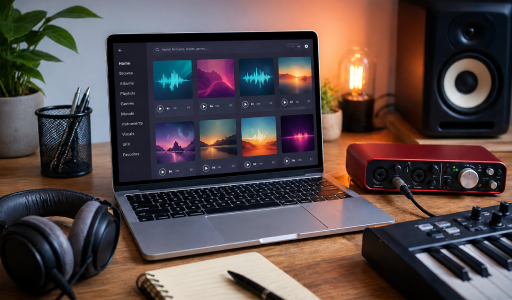
  • 8 Stock Music Sites That Actually Sound Good

    8 Stock Music Sites That Actually Sound Good

    The word “stock” usually brings to mind outdated, repetitive tracks that feel anything but inspiring. For years, stock music had a reputation for being generic and overused. But that’s no longer the case. Today, music licensing has evolved into a space filled with talented independent artists, high-quality production, and diverse soundscapes that can elevate any project.

    Whether you’re working on an explainer video, a commercial, a film project, or even a YouTube vlog, the right soundtrack can completely transform your content. The best part? There are options available for every type of creator and budget from small personal projects to full-scale productions.

    Instead of sifting through countless platforms, we’ve narrowed it down to some of the most reliable and creative stock music websites that consistently deliver quality and variety

    1. Musicbed

    Musicbed has become a go-to platform for filmmakers and creative professionals looking for authentic, emotionally driven music. It focuses on independent artists, giving them a platform while offering users access to unique tracks that don’t feel “stock” at all.

    What sets Musicbed apart is its refined browsing experience. You can filter music by mood, genre, and even very specific descriptors, making it easier to find exactly what your project needs. The platform also features visual waveforms, allowing you to preview how a track builds and evolves over time saving you from guesswork.

    2. PremiumBeat

    PremiumBeat offers a carefully curated library of royalty-free music, featuring both classic and contemporary styles. It’s an excellent choice for corporate projects, B2B content, and professional video production where quality matters more than volume.

    Benefits:
    PremiumBeat focuses heavily on exclusivity most tracks are unique to the platform, so you won’t hear them widely used elsewhere (aside from select classical pieces). Their strict submission process ensures only high-quality music is accepted, and they continuously review their catalog to maintain top standards.

    3. AudioJungle

    AudioJungle is a vast online marketplace where creators can purchase and sell royalty-free music, sound effects, and other digital assets. It’s especially popular among content creators and businesses looking for affordable audio solutions.

    Benefits:
    One of AudioJungle’s biggest advantages is its budget-friendly pricing, making it ideal for projects with limited resources. While tracks may not always be exclusive, the platform offers a wide range of quality options. Beyond music, it also provides templates, graphics, code, and educational resources, making it a versatile hub for creative needs.

    4. Marmoset

    Located in the Pacific Northwest, Marmoset stands out by treating music as a craft rather than a commodity. Instead of relying on generic stock tracks, they focus on original, in-house compositions along with a carefully selected roster of independent artists. Their philosophy centers on the idea that music created with intention and creativity should never feel “stock.”

    Why choose Marmoset?

    Marmoset offers advanced filtering tools that go beyond basic categories. Users can explore music using descriptive, story-driven keywords or sort tracks based on emotional progression and song structure. This makes it easier to find music that aligns perfectly with the narrative of your project.

    If you can’t find the exact sound you need, Marmoset also provides custom music services. Their team has produced tailored tracks for well-known brands like Nintendo, TOMS, and Levi’s. In some cases, their artists can even refine existing tracks to better suit your video.

    Honorable Mentions

    5. Storyblocks

    Storyblocks is a great option for creators who produce content regularly. Its subscription-based model gives you access to a large library of music and assets, making it cost-effective for high-volume projects.

    6. Tunefruit

    Tunefruit offers a modern and creative music marketplace designed for digital content. With easy navigation and filtering by genres and tags, it’s a convenient choice for finding fresh, relevant tracks quickly.

    7. Shutterstock

    While widely known for stock images and videos, Shutterstock also features an extensive music library. Their platform includes professional support options, such as account managers, which can be helpful when working under tight deadlines.

    8. Artlist

    Artlist operates on a subscription model that is ideal for creators producing multiple videos each month. In addition to music, it also provides sound effects, making it a comprehensive solution for video production needs.

    Conclusion

    No matter the size of your budget, there are plenty of high-quality stock music platforms available to enhance your business videos. The right soundtrack can elevate your visuals, strengthen emotional impact, and improve overall viewer engagement. If you have a favorite platform we didn’t mention, feel free to share it and join the conversation.

    Additional Resources

    If you want to dive deeper into video production and sound design, explore these helpful topics:

    • How to choose the right music for your video
    • Understanding music licensing for commercial use
    • Key principles of effective sound design
    • Do explainer videos really need voiceovers?

    In Summary

    Looking for reliable stock music platforms? Here are some trusted options recommended by a professional video production team based in Chicago.

    Founded in 2020, Explainer Video Company has created a wide range of animated and live-action videos for businesses and non-profits. Over the years, their team has relied on different stock music platforms depending on project needs, budget, and creative direction.

    Musicbed is a popular choice for those seeking music from independent artists. It offers a user-friendly search experience and allows you to preview track structures visually, making selection easier.

    PremiumBeat focuses on delivering a carefully curated collection of high-quality, royalty-free tracks. Its exclusive library ensures that users get unique audio that isn’t overly saturated across projects.

    AudioJungle operates as a large marketplace where creators can buy and sell music. It’s especially useful for budget-conscious projects, though users should carefully review licensing terms before purchasing.

    Marmoset takes a more artistic approach, offering original music created by a curated group of independent musicians. It’s also known for producing custom tracks tailored to specific project needs.

    Other Noteworthy Options include platforms like Storyblocks, Tunefruit, Shutterstock, and Artlist, all of which provide a wide variety of royalty-free music suitable for business videos.

    Choosing the right platform ultimately depends on your project’s goals, budget, and desired sound. With so many options available, finding the perfect track has never been easier.

  • Top Mixed Media Animation Examples That Make the Style Worth Using

    Top Mixed Media Animation Examples That Make the Style Worth Using

    Mixed media animation works because it gives a video more than one visual gear. It can mix illustration, footage, collage, type, texture, interface elements, and motion design in the same piece without forcing everything into one look. 

    That matters because many brand videos still feel too controlled and too familiar. They may be clean, polished, and professionally made, but they also tend to blur together. Mixed media breaks that pattern.

    The best part is that it is not tied to one mood. It can feel premium, playful, technical, emotional, editorial, or product-led depending on how the visual ingredients are handled. That flexibility is why brands keep coming back to it.

    Rather than talk about the style in the abstract, it makes more sense to look at real examples and what they show.

    8. Emirates Shows How Mixed Media Can Still Feel Premium

    A brand like Emirates is a good place to start because the visual expectation is already high. An airline campaign cannot look careless. It has to feel polished, intentional, and expensive. That is exactly why mixed media is useful here. It can keep that premium look while adding more movement and variation than a standard glossy ad usually has.

    This kind of example shows how layered visuals, typography, compositing, and motion-led transitions can make a commercial feel more alive without making it messy. It proves that mixed media does not have to feel chaotic to stand out.

    That matters for businesses trying to choose an animation style for videos. A lot of teams wrongly assume they have to choose between “creative” and “premium.” Mixed media can give you both if the design direction is handled properly.

    7. KEAN Fruits by Yeti Makes Product Content Feel More Tactile

    Food and product brands often benefit from mixed media because texture already matters to the product itself. Fruit, packaging, freshness, color, cut surfaces, and shape all carry visual weight. Mixed media can lean into that in a way that flat design alone often cannot.

    This is why KEAN Fruits is such a useful example. It shows how a brand can combine motion, cutout-style visuals, layered design, and vibrant composition to make the product feel more vivid. It does not just present the brand. It gives the brand a stronger sensory feel.

    That is one reason some of the strongest mixed media animation examples come from consumer-facing work. The format lets the creative team build a video that feels more physical, not just more decorative.

    It also shows the power of animation in a simple way. Animation is not only there to move things around. It helps shape appetite, energy, emphasis, and rhythm.

    6. IBM Design Language Proves the Style Can Be Smart and Controlled

    A lot of people hear “mixed media” and picture something wild, arty, or very loose. IBM-style work is a good correction to that idea.

    This type of piece usually feels more structured. The motion is more deliberate. The layouts tend to be cleaner. The visual layers are there, but they are doing a clear job. That makes this kind of example especially useful for tech and B2B brands that want something visually rich without making the message harder to follow.

    It also shows that mixed media can work inside a systems-led brand world. It does not have to fight with clarity. In the right hands, it can actually make complicated information easier to process.

    That is where the power of storytelling and animation becomes more subtle but still very real. The video may not be telling a soft emotional story, but it is still guiding the viewer through an idea in a deliberate sequence. That is storytelling too.

    A strong explainer video production company would look at work like this and pay attention to how the style supports the explanation instead of overpowering it.

    5. MTV Gender Bent Uses Mixed Media to Push Emotion and Point of View

    This kind of example matters because it shows mixed media doing more than brand polish. It is being used to give the message attitude.

    That changes things.

    A campaign like this can move between textures, bold type, visual interruption, live-action elements, and layered motion in a way that gives the content more edge. It feels less corporate and more immediate, which is often exactly what the subject needs.

    This also shows how multiple styles of animation can live inside one piece without making it feel stitched together. If the direction is strong, the mix helps sharpen the message rather than distract from it.

    That is one reason mixed media often feels more alive than some of the more standard styles of animation. It can change tone quickly. It can push harder where needed. It can support a message that wants more bite than a conventional explainer format usually allows.

    4. Prego Shows the More Playful Side of Mixed Media

    Not every mixed media video needs to feel sleek or editorial. Some work because they lean into fun.

    That is what makes a Prego-style example useful. It shows how the same general approach can also support cartoon energy, food personality, and lighter storytelling. The mix of visual ingredients helps the piece feel more animated in spirit, not just in technique.

    This is where the format becomes useful for brands that want something warm, lively, or slightly exaggerated without defaulting to a standard cartoon system. Illustration, motion, texture, and timing can work together to make the video feel much more expressive.

    It also creates room for typographic animation to do more than label things. In playful mixed media work, type can become part of the joke, the movement, or the pacing of the scene.

    A 2D explainer video company might look at this kind of direction when flat animation alone feels too plain and the brand needs more visual flair.

    3. Bixby Shows How Mixed Media Can Keep a Product Video From Feeling Too Predictable

    A lot of assistant or device-led product videos run into the same problem. They end up looking too familiar.

    Clean interface. Soft gradients. Floating screens. Confident voiceover. Nothing wrong with any of that, but it can become interchangeable fast.

    That is what makes a Bixby-style example worth looking at. Mixed media gives a product video more shape. It can move between interface moments, illustration, typography, composited motion, and layered product framing without feeling trapped inside one polished system. That makes the product feel more dynamic, and it helps the audience stay with the video longer.

    It also proves something important. Mixed media is not only for expressive brands or culture-led campaigns. It works just as well for functional product communication when the brand wants the video to feel more alive than a standard feature reel.

    This is where a SaaS explainer video company may also take notes from mixed media, even when the product is not a literal assistant tool. A software product often needs the same balance: clean explanation, a modern feel, and enough variation to stop the video from becoming another smooth but forgettable walkthrough.

    2. Grommet Shows the Style Can Stay Practical While Still Feeling Creative

    Not every mixed media video needs to be abstract, editorial, or ultra-art directed. Some of the best ones stay very grounded.

    That is what makes a Grommet-style example useful. It shows how mixed media can still feel practical and product-friendly. The video can explain, demonstrate, and move the viewer through the message while still carrying more texture than a standard product piece.

    That balance matters for brands that want the work to feel creative but not overly stylized. Mixed media can do that really well. It can add visual interest without turning the message into an art exercise.

    This is also where the format works nicely alongside product-focused animation. A 3D explainer video company could borrow from this kind of direction when a product needs realism but still benefits from added graphic support, layered text, or editorial motion. That mix can stop a dimensional product video from becoming too rigid.

    And that matters because some of the best mixed media animation videos are not the loudest or most experimental. They are simply the ones who know how to blend creativity with usefulness.

    1. Coca-Cola Shows Why Mixed Media Keeps Feeling Bigger Than One Style Alone

    Coca-Cola is the right example to end on because it highlights the biggest advantage of mixed media very clearly.

    Scale.

    A brand like that does not need a video that feels small, flat, or predictable. It needs energy. It needs movement. It needs something that can hold emotion, identity, product presence, and visual style all at once. Mixed media is good at that because it is not trapped inside one system.

    A Coca-Cola-style example usually works because it layers everything with control. Live-action feel, bold graphics, animated type, composited movement, illustrative elements, perhaps a little collage logic, maybe some product-focused motion, all working together. The result feels larger than a standard single-style video because the format itself has more range.

    That is the bigger lesson across this whole list.

    Mixed media animation is not just a trick to make a video look different. It is useful because it gives the creative team more ways to shape tone, pacing, emotion, and explanation within the same piece. When those choices are made well, the video does not just feel more stylish. It feels more complete.

    How to Know If Mixed Media Is Right for Your Video

    Not every project needs it.

    That part matters too.

    If the message is simple and the brand needs something very clean, another route may make more sense. If the story needs more range, more character, or more contrast than one visual system naturally gives you, then mixed media starts to become a strong option.

    It tends to work best when:

    • The brand wants something less predictable
    • The video needs to mix explanation and personality
    • One visual approach feels too narrow
    • The product story moves between different kinds of information
    • The creative direction needs more flexibility

    That is why mixed media stays useful. It gives the video more ways to communicate without forcing the whole thing into one strict lane.

    Frequently Asked Questions

    Mixed media animation is a video style that mixes many visual techniques in a single composition. Illustration, film, collage, typography, photography, textures, and motion graphics may all be used in conjunction.
    It sticks out because it feels more unpredictable than a single-style video. The combination of visual elements provides the item’s texture, diversity, and, in many cases, personality.
    Yes, especially when the brand wants a video that stands out without compromising clarity. It is suitable for explainer films, product videos, campaign work, and brand storytelling.
    No. It is suitable for consumer brands, technology enterprises, product-driven corporations, and even technical subjects. The goal is to use the style to complement the message rather than simply beautifying it.
    It is typically the best option when one graphic style feels too limiting for the plot. If the video requires a wider variety, tone shifts, or a more recognizable visual identity, mixed media is a viable option.

    Final Words

    Mixed media animation is effective because it provides businesses with several visual communication options. It can use elements such as illustration, film, typography, collage, graphics, texture, and motion to create something unexpected and lively. These examples show that clearly. Some use the style for product explanation. 

    Some use it for brand energy. Some use it to make a technical topic easier to follow. However, the main advantage remains the same. Mixed media allows the message to travel more freely, and when done correctly, the video becomes much more difficult to ignore.

    Related Articles:

  • 7 Powerful Examples of High-Impact Digital Marketing Campaign Videos

    7 Powerful Examples of High-Impact Digital Marketing Campaign Videos

    Grabbing and holding the attention of your target audience has never been more challenging or more important. In today’s fast-paced digital world, it takes creativity, strategy, and sometimes a bit of timing to produce video campaigns that truly stand out and have the potential to go viral.

    If video advertising isn’t already a core part of your marketing strategy, now is the time to reconsider. Video continues to dominate online engagement, offering unmatched reach and influence across platforms. Its growth shows no signs of slowing down.

    On one side, modern technology has made it easier than ever to create and distribute digital marketing campaigns. Brands now have access to powerful tools, diverse content formats, and multiple platforms to reach their audiences.

    However, this accessibility also comes with a challenge competition. With so many brands producing content daily, cutting through the noise and capturing attention has become increasingly difficult.

    At Explainer Video Company, we simplify this complexity. In this article, we’ll explore outstanding examples of effective digital marketing video campaigns, break down what makes them successful, and share insights you can apply to your own strategy. We’ll also show how our expertise in explainer and marketing videos can help elevate your brand storytelling and drive real results.

    Before diving into the examples, it’s important to understand the core principles behind high-performing video ads. While there’s no strict formula for success and creativity often breaks the rules the most effective campaigns consistently master a few key fundamentals.

    The Fundamentals of Creating a Powerful Video Ad

    Creating an effective video advertisement is both an art and a strategy. At Explainer Video Company, we believe a successful video ad doesn’t just look good it connects, communicates, and converts. Below are the core fundamentals that make a video ad truly impactful.

    It Captures Attention Immediately

    In today’s fast-paced digital world, attention is the most valuable currency. Viewers decide within seconds whether they will continue watching or skip your content.

    That means your video must make an immediate impact.

    This can be achieved through bold visuals, engaging motion graphics, compelling storytelling, or even a strong audio hook. Animation is especially powerful in this stage because it quickly draws the eye and creates curiosity.

    Whether visual, auditory, or a combination of both, the opening moments of your video must instantly pull the viewer in and encourage them to stay.

    It Speaks Directly to the Right Audience

    A high-performing video ad is not about reaching everyone it’s about reaching the right people.

    Instead of trying to appeal to a broad, undefined audience, successful campaigns focus on specific groups who are most likely to connect with the message. This creates deeper engagement and stronger emotional response.

    When your message feels personal and relevant, viewers are more likely to trust your brand, share your content, and take action. Over time, these engaged viewers can even become loyal advocates for your brand, helping amplify your message organically.

    At Explainer Video Company, we craft videos that are designed to resonate with your ideal audience not just everyone.

    It Includes a Clear Call to Action

    Every great video ad has a purpose and that purpose must be clearly communicated to the audience.

    A call to action (CTA) guides viewers on what to do next. Whether the goal is to increase sales, build awareness, promote a service, or inspire change, your CTA transforms passive viewers into active participants.

    A strong video campaign often includes multiple touchpoints for action. For example, early engagement might encourage sharing, liking, or following, while the closing message may focus on signing up, purchasing, or exploring a product.

    In some cases, CTAs can also create urgency or exclusivity such as limited-time offers, early access, or bonus incentives encouraging immediate response.

    The key is to make the next step clear, simple, and compelling.

    It Builds a Real Emotional Connection

    One of the most powerful ways to engage your audience is by creating an emotional connection. And when we talk about “selling,” it’s not just about products or services it’s also about selling your idea, your message, and your value in a way that truly resonates.

    Today’s audience is highly aware and often skeptical of marketing. People are constantly exposed to ads and promotional content everywhere on YouTube, on social media, on billboards, in stores, and even while casually browsing online. This nonstop exposure can easily lead to fatigue and disinterest.

    That’s why authenticity matters more than ever. Instead of sounding like another brand trying to push a sale, your communication should feel genuine, human, and relatable. The goal is not to interrupt people it’s to connect with them.

    Emotional storytelling is one of the most effective ways to achieve this connection. And emotion doesn’t always mean going for deep or heavy feelings. It can take many forms. You can make your audience laugh, spark curiosity, highlight a real-world problem, or bring attention to something meaningful. You can even combine different emotions depending on your message and audience.

    The key is to hold attention in those critical first few seconds and make people feel something real. When your audience feels emotionally engaged, they are far more likely to stay, watch, and connect with your message instead of scrolling away.

    Say What Matters Clearly and Effectively

    In any successful video marketing campaign, clarity is everything. Your message should be easy to understand, purposeful, and delivered without unnecessary complexity. In a world where audiences are constantly bombarded with content, every second of attention matters.

    A strong video ad respects the viewer’s time. It communicates the core idea quickly while still being engaging and memorable. This doesn’t always mean your video has to be extremely short. While many effective ads are 15–30 seconds long, some of the most impactful campaigns in history have been longer because they needed that time to tell a meaningful story.

    The key is not the length it’s the intention behind every second. If your message requires depth, give it space. If it can be communicated simply, don’t overcomplicate it. What truly matters is that your audience understands exactly what you’re offering and why it matters to them.

    There are no rigid rules when it comes to timing, but there is one principle you should always follow: be deliberate. Every frame, every word, and every transition should serve a purpose. If it doesn’t add value, it likely doesn’t belong.

    At Explainer Video Company, we believe that powerful video content starts with a clear message. Before thinking about visuals, effects, or length, the focus should always be on one question: What are we trying to say, and how can we say it in the most impactful way possible?

    Once that foundation is clear, everything else falls into place storytelling, design, pacing, and delivery all work together to support a message that resonates.

    Powerful Digital Marketing Campaigns: Dove Men+Care & Nike

    At Explainer Video Company, we closely study successful digital marketing campaigns to understand what makes them truly impactful. Two strong examples that stand out are Dove Men+Care and Nike both of which excel at combining emotional storytelling, audience targeting, and cultural relevance.

    Dove Men+Care (2020) – Emotional Storytelling That Connects
    Dove

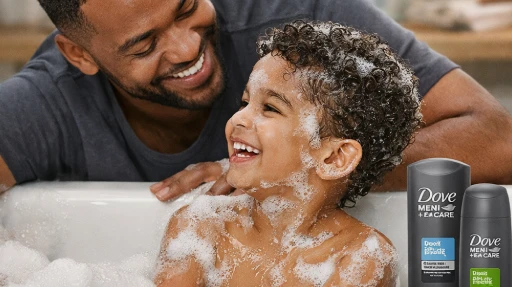
    The Dove Men+Care campaign is a strong example of how emotional marketing can build deep audience engagement.

    From the very beginning, the campaign clearly identifies its core audience: fathers. Instead of simply promoting a product, it focuses on appreciation and recognition highlighting the often-overlooked emotional and physical efforts dads put into family life.

    What makes this campaign powerful is its emotional positioning. It sends a clear message that fatherhood, care, and responsibility are valued and respected. This creates an instant emotional connection with viewers, especially fathers who see their daily efforts reflected on screen.

    The campaign also aligns itself with a broader cultural conversation around modern parenting and the evolving role of fathers in society. Rather than feeling like an advertisement, it feels like a contribution to a meaningful dialogue.

    Finally, Dove effectively closes the message with a subtle but clear call to action, encouraging viewers to learn more by visiting their website. This balance of emotion, relevance, and direction is what makes the campaign so effective.

    Nike – Culture-Driven Marketing at Its Best
    Nike

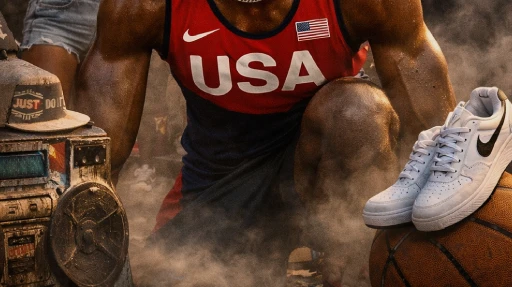
    Nike is one of the most influential global brands, known not just for its products but for its powerful storytelling across platforms like television, outdoor media, and especially social media.

    On platforms like Instagram, Nike has mastered the art of attention. Its strategy blends bold visuals, influencer marketing, and cultural relevance to create content that feels both aspirational and authentic.

    A key strength of Nike’s marketing approach is its collaboration with high-profile athletes and cultural figures. Whether it’s Travis Scott showcasing exclusive sneakers or rising stars like Zion Williamson and Kia Nurse being signed as brand ambassadors, Nike consistently positions itself at the center of sports and pop culture.

    Even subtle appearances such as celebrities wearing Nike products without formal promotion often generate massive buzz and drive demand in resale markets. This demonstrates the brand’s unmatched cultural influence.

    Nike’s Instagram content is particularly effective because it grabs attention instantly through strong colors, dynamic visuals, and short-form storytelling. In fast-scrolling environments like Instagram Stories, this immediate visual impact is essential.

    Beyond visuals, Nike also builds emotional depth by engaging with social issues and standing behind causes it supports. This combination of action and messaging strengthens brand trust and positions Nike as more than just a sportswear company it becomes a cultural voice.

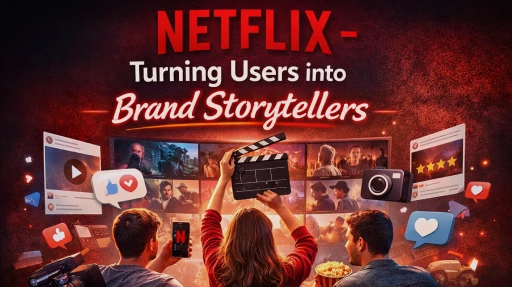
    Netflix – Turning Users into Brand Storytellers
    Netflix

    Netflix has always been ahead of the curve when it comes to digital marketing, especially in how it uses user engagement to drive organic promotion. Like many subscription-based platforms, Netflix heavily promotes its free trials through multiple channels such as pre-roll ads, social media campaigns, and display advertising.

    However, in 2019, Netflix took a more interactive and social approach by integrating with Instagram Stories. This feature allowed users to instantly share what they were watching directly on their Stories, along with a direct link to the title.

    What made this strategy so effective was its simplicity and psychology. Instead of pushing ads directly, Netflix empowered its audience to become brand advocates. Every share became a personal recommendation, which is far more powerful than traditional advertising.

    Most of the content shared was exclusive to Netflix, which further strengthened curiosity and urgency among viewers. When combined with teaser trailers, short “sizzle reels,” and visually compelling previews, Netflix created a seamless funnel from social curiosity to platform engagement.

    This is a perfect example of how modern brands can use social proof and user-generated content to create exponential reach without relying solely on paid advertising.

    LEGO – Storytelling Through Imagination and Emotion

    LEGO – Storytelling Through Imagination and Emotion

    LEGO’s advertising brilliance lies in its ability to connect deeply with both children and adults by celebrating creativity and imagination.

    One of their most memorable campaigns cleverly mimicked a high-budget Hollywood action movie trailer. At first glance, it feels like a traditional cinematic blockbuster filled with drama, action, and suspense. However, the twist comes when the viewer realizes that the entire “film” is actually being imagined and built by children using LEGO bricks.

    This creative reversal is what makes the campaign so powerful. It breaks expectations and then gently reminds us that everything we saw was created through play.

    The emotional impact is strong because it taps into nostalgia. It reconnects adults with their childhood imagination while simultaneously inspiring children to explore creativity without limits.

    The call to action is subtle but meaningful: LEGO is not just a toy it is a tool for storytelling, creativity, and limitless imagination.

    Attonics Systems – Turning Complexity into Clarity

    Attonics Systems – Turning Complexity into Clarity

    The Attonics Systems spectroscopy video is a strong example of how a brand can use advertising to inform as well as promote. Instead of simply showcasing a product, the ad takes the time to explain what the technology does, why it matters, and how it stands out in a competitive industry.

    What makes this approach effective is its deep understanding of the target audience. It speaks directly to professionals familiar with technical language, using industry-specific terminology that builds credibility and trust. Rather than oversimplifying, it leans into the science allowing the product’s innovation to speak for itself.

    At the same time, the video doesn’t feel static or overly technical. It transforms complex information into a visually engaging experience. Thoughtful animation, structured pacing, and strong visual storytelling help maintain attention throughout its longer runtime. Since the product has depth and value to explain, the extended format works in its favor rather than against it.

    This is a great reminder that when your product is sophisticated, your video should take the time to properly showcase it.

    City Lodge Hotels – Simplicity with Humor That Converts

    City Lodge Hotels – Simplicity with Humor That Converts

    On the other end of the spectrum, the City Lodge Hotels campaign proves that short-form video can be just as powerful when executed correctly.

    This ultra-short, five-second ad is typically designed for pre-roll or mid-roll placements on platforms like YouTube. Despite its brevity, it delivers a complete message with clarity, confidence, and humor.

    The concept is simple yet effective: do you need a peaceful, comfortable night’s sleep? City Lodge Hotels has you covered.

    The ad uses humor brilliantly by showing exaggerated “room-wrecking rockers” who fail to damage the hotel room. The twist reinforces the message these rooms are built for comfort and durability. It’s playful, memorable, and instantly communicates the brand promise.

    Rather than trying to appeal to everyone, the campaign confidently targets its ideal audience. It embraces a light “us vs. them” narrative, but in a fun and non-offensive way that strengthens brand identity instead of dividing viewers.

    What These Campaigns Teach Us

    Both examples highlight an important truth in video marketing: there is no single formula for success.

    Some products require detailed storytelling, technical explanation, and longer formats. Others thrive on simplicity, humor, and ultra-fast delivery.

    At Explainer Video Company, we understand how to match the right video strategy to the right message. Whether it’s a detailed product explainer or a short, high-impact ad, the goal remains the same make your audience understand, remember, and take action.

    Let’s Build Your Next Successful Video Campaign

    Creating a high-performing video ad involves scripting, storytelling, design, animation, and strategy all working together seamlessly. It can be overwhelming, especially when you’re managing other parts of your business.

    That’s where we come in.

    At Explainer Video Company, we handle everything from strategic consultation to full-scale production of high-quality explainer and marketing videos. Whether you need full production support or just expert guidance, our team is ready to help.

    We focus on crafting videos that don’t just look good but actually deliver results.

    If you’re ready to elevate your video marketing and turn ideas into impactful visual stories, we’re here to make it happen.

    Get in touch with us today at Explainer Video Company and let’s create something exceptional together.

  • SEO Video Marketing Guide for Videos That Need to Get Found

    SEO Video Marketing Guide for Videos That Need to Get Found

    Video marketing for SEO is one of the most effective strategies to improve your website’s visibility and outperform competitors in search results. Research shows that websites featuring video content are significantly more likely to rank on the first page of Google.

    While well-optimized text and images still play an important role in SEO, video content adds an extra layer of engagement and authority that helps your brand stand out online. It not only captures attention but also keeps visitors on your site longer both of which are strong signals for search engines.

    At Explainer Video Company, we’ve seen how powerful video can be in transforming digital presence and improving organic rankings for businesses across industries.

    If you’re looking to strengthen your SEO strategy, integrating video is no longer optional it’s essential. Let’s explore how video marketing can improve your search performance.

    3 Ways Video Marketing Improves SEO Rankings

    When optimizing your website for search engines like Google, many ranking factors determine where your pages appear in search results. Video content helps you align with these factors more effectively and gives your SEO strategy a competitive edge.

    Here are three key ways video can improve your rankings and overall content performance.

    1. Videos Increase Content Depth and Quality

    Search engines prioritize high-quality content that fully answers user queries and provides real value. Video helps you achieve this by making your content more informative, engaging, and easier to understand.

    Instead of relying only on text, videos allow you to visually demonstrate your message, making complex ideas much clearer for your audience. For example, if your business offers advanced products or services, a written explanation can help but a video can take it much further.

    Imagine introducing a new product on your website. A blog post with images might explain its features, but a video can show it in action, demonstrate how it works step by step, and build trust through real visual proof. This combination of storytelling and demonstration creates a stronger emotional connection with your audience.

    By adding video content, you enhance the overall depth of your page, increase user engagement, and improve your chances of ranking higher in search results.

    2. Videos enhance user experience (UX) and increase on-site engagement

    Adding video content to your website significantly improves how users interact with your pages. Instead of facing long blocks of text, visitors get a more dynamic and engaging experience that keeps them interested and encourages them to explore further.

    Videos are especially effective at holding attention. For example, in a complex industry like medical technology, combining well-written content with informative videos helps users better understand your message while keeping them engaged for longer periods.

    This directly impacts key SEO metrics such as dwell time the amount of time a user spends on your page before returning to search results. When visitors stay longer and interact more with your content, search engines interpret this as a strong positive signal, which can ultimately improve your rankings.

    At Explainer Video Company, we focus on creating high-quality explainer videos that complement your written content and elevate the overall user experience. By blending visuals with information, your website becomes more engaging, informative, and SEO-friendly.

    3. Videos increase your chances of earning valuable backlinks

    Video content is highly shareable by nature. In fact, a large percentage of users are more likely to share videos they find useful or interesting, which naturally increases your content’s reach across the web.

    This shareability also plays a major role in backlink generation. When your videos are embedded or referenced by other websites, blogs, or industry platforms, you earn high-quality backlinks that strengthen your SEO authority. Since backlinks remain one of the most important ranking factors, this benefit is extremely valuable.

    To put it into perspective, nearly half of a website’s ranking power is influenced by its backlink profile. Without strong backlinks, even high-quality content can struggle to gain visibility in search results.

    For instance, if a reputable industry blog discovers your content and references your explainer video in one of their articles, it not only drives referral traffic but also improves your domain authority through link equity.

    Research from Ahrefs also shows that a large majority of web pages receive little to no organic traffic due to a lack of backlinks. This highlights just how important link-building is for SEO success.

    By investing in professional video content through Explainer Video Company, you can increase both engagement and shareability, helping your brand attract more backlinks, improve search visibility, and ultimately drive more organic traffic to your website.  

    How to Get Started with Video Marketing for SEO

    You already understand why SEO professionals place so much importance on video content but how do you actually integrate video marketing into your SEO strategy effectively? Below are practical, easy-to-apply steps to help you start using video to improve your search visibility and audience engagement, especially if you’re building your brand through platforms like Explainer Video Company.

    1. Create Video Content That Matches Search Intent

    One of the most important principles in video SEO is ensuring your content aligns with what your audience is actively searching for. While ranking in search engines is important, your primary focus should always be on creating videos for real people with real questions.

    Every video you produce should be built around search intent what users want to learn, solve, or understand. When your content directly answers those needs, it naturally performs better in search results.

    For example, if your goal is to attract authoritative websites or professionals in a specialized industry (such as healthcare, finance, or technology), your video script should reflect that level of expertise. You can confidently use industry-specific terminology without oversimplifying concepts that your audience already understands.

    On the other hand, if your target audience consists of general users searching for quick and easy explanations, your content should be more accessible. In that case, avoid heavy jargon, or take the time to clearly explain complex terms in simple language.

    2. Add SEO Keywords to Your Video Titles and Descriptions

    Keyword research plays a major role in building a strong SEO strategy, and it’s just as important when creating video content. If you want your videos to rank well and reach the right audience, you need to understand what your audience is actually searching for and how they search for it.

    Even if you’re not an SEO specialist, you can still perform effective keyword research. There are several helpful tools available that make the process simple, such as Google Keyword Planner, Keywords FX, and Keywords Everywhere. These tools allow you to enter a topic or seed keyword and discover its search value, competition level, and related keyword ideas that can improve your chances of ranking in search results.

    While doing keyword research, it’s important to remember that search behavior differs across platforms. People don’t always search the same way on YouTube as they do on Google. A keyword that performs well in blog content may not necessarily work the same way for video content. That’s why tools like Keyword Tool’s YouTube feature can be especially useful. You can also use YouTube’s search bar itself to see real-time autocomplete suggestions, which reveal what users are actively looking for.

    Once you’ve identified your target keywords, the next step is to use them strategically in your video title and description. Your primary keyword should naturally appear in both, along with relevant secondary keywords that support the topic. However, it’s equally important not to lose the human touch.

    A common mistake is creating titles that are too generic or robotic. For example, if your target keyword is “video transitions,” avoid using a plain title like “Video Transitions.” Instead, make it more engaging and curiosity-driven, such as “6 Creative Video Transition Techniques to Elevate Your Content.”

    The same principle applies to your video description. Rather than simply stuffing keywords, focus on writing compelling, natural-sounding content that encourages viewers to watch the video while still including your target keywords in a meaningful way.

    At the end of the day, effective video SEO is about balance optimizing for search engines while still creating content that genuinely attracts and engages your audience.  

    3. Add Video Transcripts for Better SEO

    Including a full transcript alongside your video on the same webpage is a powerful way to improve your SEO performance. When you add text content that matches your video, search engines gain a clearer understanding of what your video is about, which helps with indexing and can improve your rankings in search results.

    At Explainer Video Company, we always recommend pairing videos with written transcripts because search engines cannot “watch” or interpret videos the way humans do. A transcript bridges this gap by providing readable content that search engines can crawl and rank.

    Another major benefit is improved user experience. Not every visitor prefers video content some people like to read instead. Studies show that while a large majority of users engage with video, a significant portion still prefers text-based content. By offering both formats together, you ensure your content is accessible to all types of users and learning preferences.

    This combination of video and text not only improves engagement but also increases the time visitors spend on your page, which is another positive signal for SEO.

    4. Promote Your Video Content as Part of Your SEO Plan

    Creating high-quality videos for your website is only the first step in a successful SEO strategy. Once your video is published, active promotion is essential to maximize its reach and impact.

    For brands working with Explainer Video Company, we emphasize that distribution plays a major role in performance. Simply uploading a video is not enough you need to strategically promote it to gain visibility and traffic.

    Start by identifying relevant keywords and audience interests, then look for opportunities to increase video exposure. Well-optimized video content can attract valuable backlinks from other websites, which significantly improves your search rankings. Reaching out to industry blogs, partners, and relevant websites to feature your video can help accelerate this process.

    In addition, social media platforms are powerful channels for sharing your video content. Posting regularly across platforms like LinkedIn, Facebook, Instagram, and X (Twitter) can drive targeted traffic back to your website. Email marketing is another effective method sending videos directly to your subscriber list helps increase engagement and conversions.

    By combining SEO optimization with consistent video promotion, you create a stronger digital presence, boost website traffic, and improve overall visibility in search engines.

    It is the process of making videos easier to discover through search and platform results. That includes titles, descriptions, transcripts, thumbnails, page setup, and overall topic targeting.
    Not every single one, but important videos usually do better when they live on a page with clear context instead of being buried inside unrelated content.
    No. They are usually far less important than the title, thumbnail, description, and overall topic match.
    Yes. They add readable text, improve accessibility, and give the video more searchable context outside the audio itself.
    Treating optimization like a rushed upload task instead of part of the video plan from the beginning.

    Get started with video marketing for SEO today!

    If you’re ready to integrate video into your SEO strategy, we’re here to help. At Explainer Video Company, we specialize in creating powerful video marketing solutions designed to improve your online visibility and drive real business growth.

    As a full-service video marketing agency, we have helped businesses achieve over 255,000 page-one Google rankings for targeted keywords. Our approach combines strategic SEO with high-quality video content to increase rankings, attract more qualified traffic, and convert visitors into customers.

    Whether you’re looking to boost leads, strengthen your brand presence, or grow revenue, our custom video marketing and SEO services are built to deliver measurable results.